
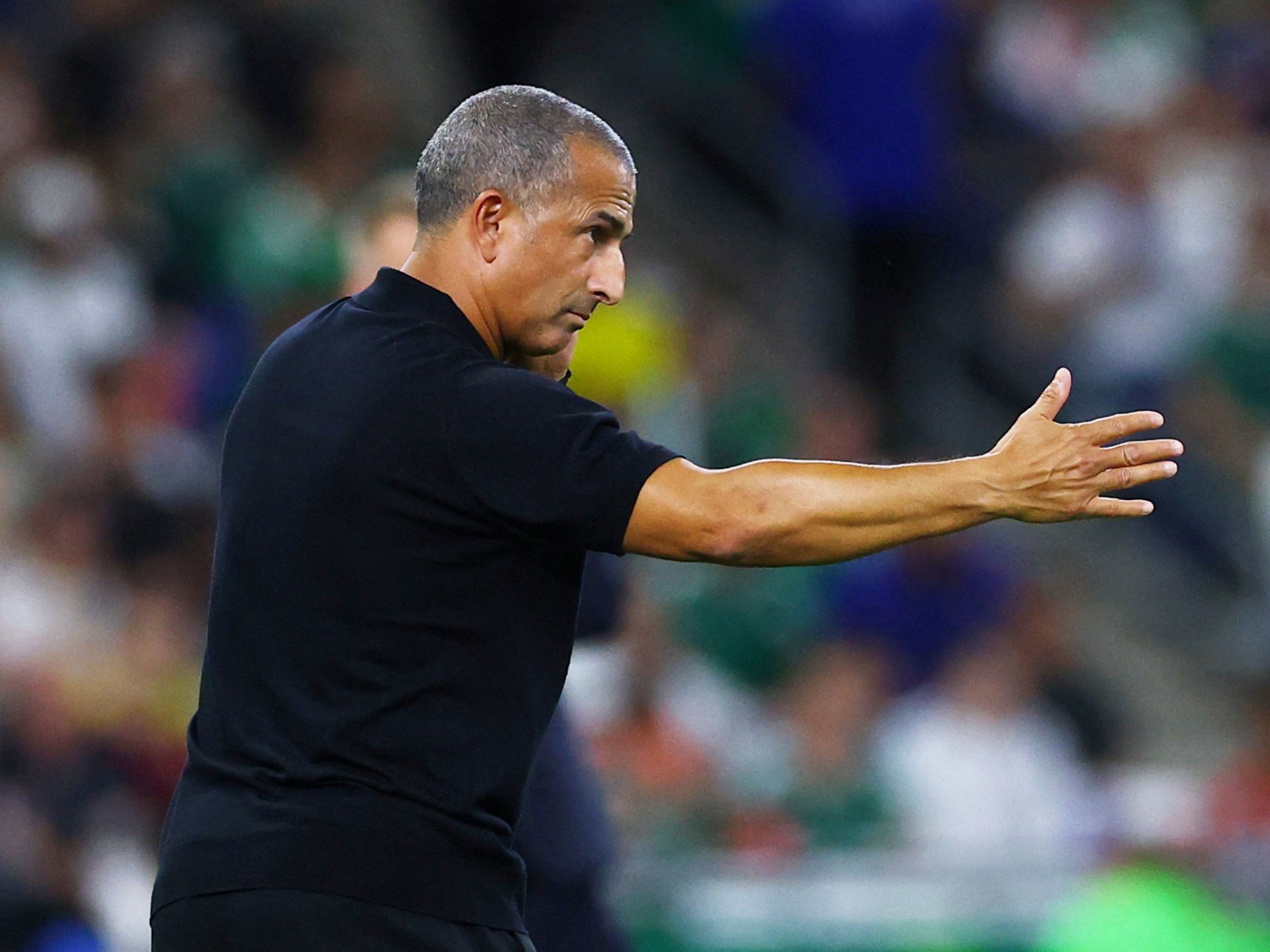
Spain’s 0-0 draw with Cape Verde in their World Cup 2026 opener has sent shockwaves through football circles, as the reigning champions struggled to live up to expectations in front of a global audience on Monday, June 15, 2026.
Why Spain’s World Cup Debut Was a Masterclass in Frustration
Spain entered the 2026 World Cup as the tournament’s heavy favorites, but their 0-0 draw against Cape Verde in their opening match on Monday exposed a team grappling with inconsistency, defensive vulnerabilities, and a lack of clinical finishing. The game, played in front of a packed stadium, became a microcosm of the challenges facing Luis de la Fuente’s squad: a first-half monologue from Spain that failed to translate into goals, followed by a second half marked by sloppy possession and missed opportunities. The match was a far cry from the dominance Spain had been expected to display. According to Infobae, Spain controlled 70% of possession in the first half but managed only 12 shots on target, with Cape Verde’s goalkeeper, Vozinha, making several crucial saves. The second half saw Spain’s control drop further, with the team struggling to maintain their usual rhythm and precision.Spain’s inability to break down Cape Verde’s disciplined defense was a stark reminder of the challenges ahead for a team that had been touted as the tournament’s favorites. The draw, which left Spain without a single goal, has already sparked debates about the team’s readiness and the effectiveness of De la Fuente’s tactics.
The King and Prime Minister’s Plea: “Play as One”
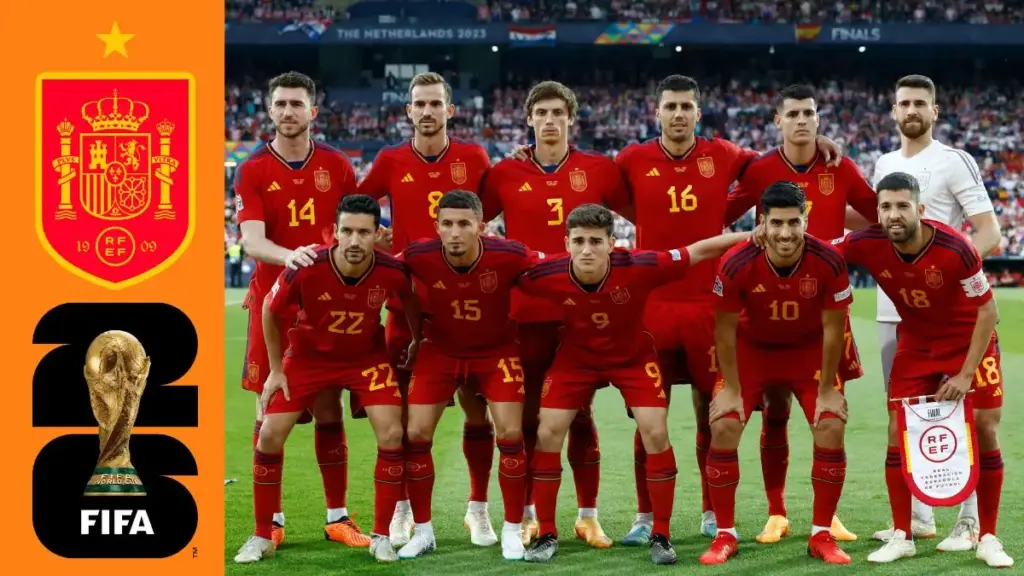
In a rare public address ahead of the match, Spain’s King Felipe VI and Prime Minister Pedro Sánchez both weighed in, urging the team to unity and success. Felipe VI, speaking to reporters after presenting an award at the Congress of Deputies, described the match as “a very accessible game” and wished the team “to do their best and, if possible, to win.” His remarks reflected the high stakes of the tournament, with Spain’s performance under scrutiny both domestically and internationally. Prime Minister Sánchez went further, declaring Spain’s squad “the best team at the World Cup,” praising its “youth, diversity, and experience.” He emphasized that the team was “the pride of the entire country,” a sentiment that underscored the pressure on the players to deliver. According to Clarín, Sánchez’s call for unity—“let’s all go together”—highlighted the need for cohesion among a squad that has faced internal challenges in recent months.The king’s and prime minister’s words carried weight, but the team’s performance on the pitch told a different story. Spain’s struggles to create clear chances against a lower-ranked opponent raised questions about their ability to deliver in high-pressure moments, especially in a tournament where every point will count.

Cape Verde’s Defensive Masterclass and the Rise of Vozinha
While Spain’s offensive woes dominated headlines, Cape Verde’s defensive organization and the standout performance of their goalkeeper, Vozinha, stole the show. At 40 years old, Vozinha became the focal point of the match, making a series of world-class saves that frustrated Spain’s attacking efforts. In the first half alone, Vozinha made three crucial stops, including a save from Ferran Torres after a well-worked build-up by Marc Cucurella. His ability to command his area and anticipate Spain’s attacks was a testament to his experience and leadership. As Infobae noted, Vozinha’s performance was a highlight of the match, proving that Cape Verde’s defensive structure was more than a match for Spain’s attacking firepower.Cape Verde’s defensive discipline extended beyond the goalmouth. Their midfield, led by players like João Cancelo, who was playing for Cape Verde, nullified Spain’s attempts to dominate possession. The team’s ability to intercept passes, win aerial duels, and maintain a compact shape left Spain’s attackers isolated and frustrated.
Spain’s Tactical Missteps and the Gavi Question
One of the most debated aspects of Spain’s performance was the tactical decision to start Gavi in place of Rodri. Gavi, known for his creativity and attacking flair, struggled to make an impact in the early stages of the match. His positioning on the left flank left gaps in midfield, and his lack of defensive contribution exposed Spain’s vulnerability in transitions. As AS.com observed, Gavi’s inclusion was a bold move by De la Fuente, but it backfired as Spain’s midfield became disjointed. Rodri, who was subbed on early, had been a rock in Spain’s midfield for years, and his absence left the team without a reliable pivot. The match also highlighted the need for more defensive solidity, with Spain’s full-backs often caught out of position.The second half saw Spain’s struggles continue, with the team failing to capitalize on several chances. Moments of brilliance, such as Ferran Torres’s near-goal and a header from Laporte, were squandered, leaving the team without a single goal despite their dominance in possession.

What Happens Next? Spain’s Road Ahead in the World Cup
Spain’s draw with Cape Verde leaves them in a tough spot as they prepare for their next match in the group stage. The team’s inability to score against a lower-ranked opponent has raised concerns about their ability to perform consistently at the highest level. With the tournament’s group stage still wide open, Spain will need to address their defensive frailties and improve their clinical finishing if they are to live up to their pre-tournament expectations. The match also served as a wake-up call for De la Fuente, who will need to make tactical adjustments and ensure his squad is firing on all cylinders. The pressure is on, but as the king and prime minister reminded the team, the road to success in this World Cup will require unity, resilience, and a willingness to adapt.For now, Spain’s journey in the 2026 World Cup has taken an unexpected turn. The road ahead is steep, but the stage is set for a dramatic tournament, and Spain’s ability to rise to the occasion will define their legacy in this historic edition of the World Cup.
“Lo hagan lo mejor posible y, a ser posible, que ganen.”
Find more reporting in our Sports section.
