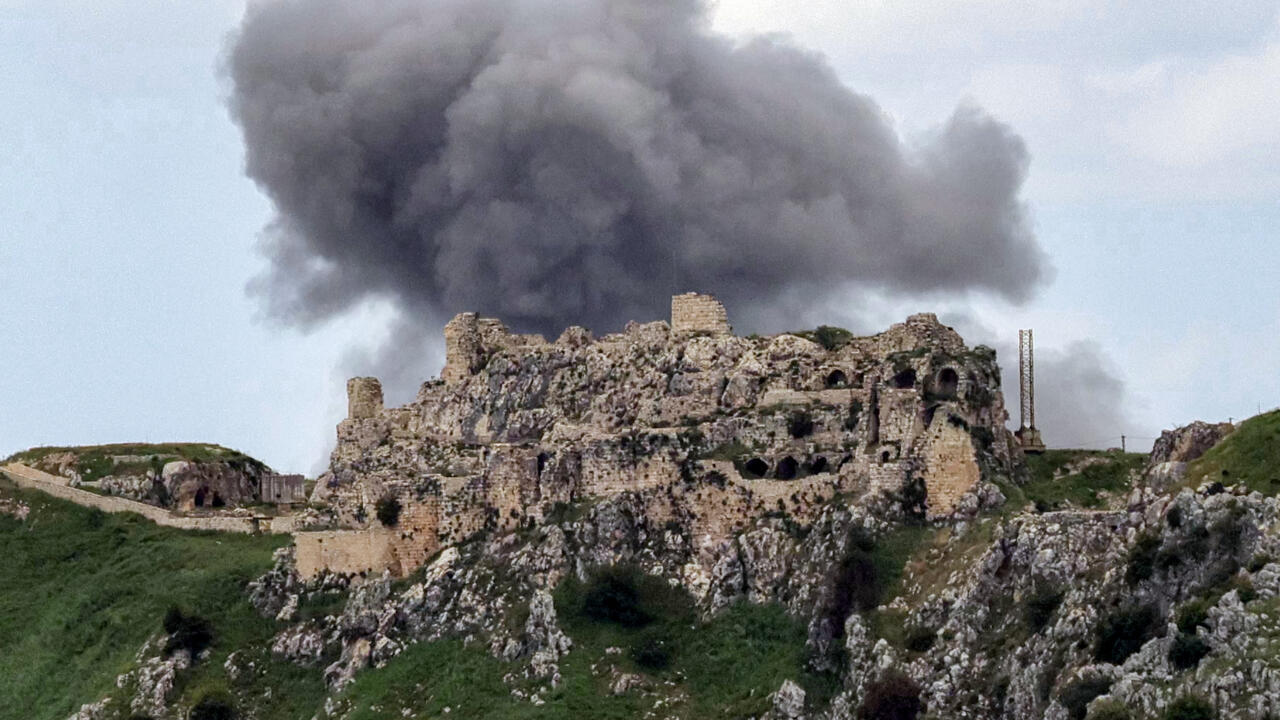
Israeli military strikes in southern Lebanon have placed ancient archaeological sites, including the Crusader fortress of Beaufort and the UNESCO-listed ruins of Tyre, at serious risk of destruction. Lebanese officials are calling for an immediate halt to attacks on cultural monuments as military delegations meet at the Pentagon to discuss a potential ceasefire.
Archaeological Heritage Under Direct Threat
cluster (priority): L'Express
The intensity of the ongoing conflict in southern Lebanon is increasingly threatening the region’s irreplaceable cultural history. According to France 24, Israeli strikes have placed several important archaeological sites in serious danger.
Lebanese Culture Minister Ghassan Salamé issued a stern warning on Friday, noting that the military operations are encroaching upon sites of immense historical value.
The Minister confirmed that the Beaufort fortress has been directly struck, while heavy bombardments have fallen in close proximity to the ruins of Tyre, a site designated as part of the world’s heritage. These strikes follow a pattern of increasing volatility in the regions of Tyre and Nabatiyé, where the Israeli military has conducted a fresh series of operations.
Lebanese Demands for a Specific Ceasefire Agreement
cluster (priority): Le Figaro
As military-to-military technical meetings take place at the Pentagon, the Lebanese government is pushing for a more structured diplomatic exit. franceinfo reports that Minister Salamé is advocating for a settlement that goes beyond a mere cessation of hostilities.
The Lebanese delegation has outlined a specific set of requirements to ensure long-term stability, including:
An effective and lasting ceasefire
A clear timetable for the withdrawal of Israeli troops from Lebanese territory
The release of Lebanese prisoners currently held in Israeli jails
Strict respect for the territorial integrity of Lebanon
An immediate end to strikes targeting sites of a cultural nature
The diplomatic challenge remains immense. US mediators are tasked with reconciling two vastly different agendas, as the objectives sought by Lebanon do not align perfectly with those of the Israeli government. While a technical meeting is currently underway, a more significant session of talks is scheduled to take place in Washington on June 2 and 3.
Netanyahu’s Offensive to Disarm Hezbollah
Israel seeks Lebanon talks after bombardments threaten US-Iran truce • FRANCE 24 English
While diplomacy moves through Washington, the battlefield in southern Lebanon is seeing a violent escalation. Israeli Prime Minister Benjamin Netanyahu has signaled a shift toward high-intensity warfare, aiming to achieve through military force what diplomacy has yet to secure.
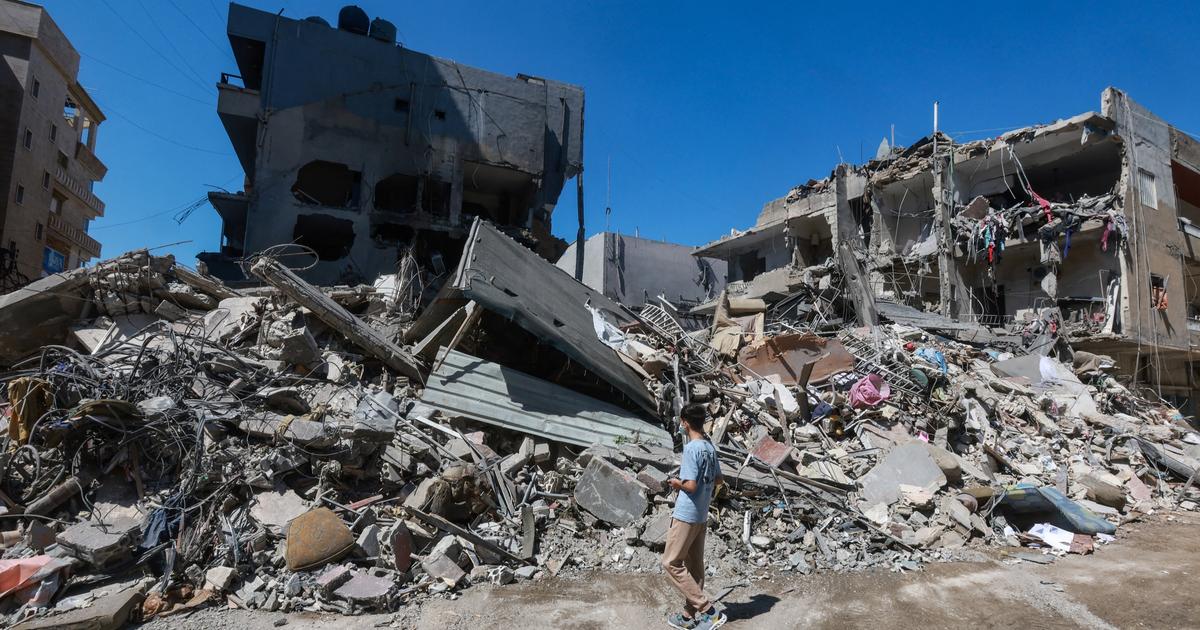
The human cost of this escalation is mounting rapidly. L’Express reports that since hostilities resumed on March 2, the Lebanese Ministry of Health has recorded more than 3,200 deaths. A single wave of strikes on May 26 targeted the Nabatiyé and Tyre regions, as well as the Bekaa Valley, resulting in 31 deaths.
Netanyahu’s current strategy appears to be an attempt to decouple the Lebanese front from the broader Iranian conflict. By intensifying pressure on Hezbollah, the Israeli Prime Minister hopes to bypass previous constraints imposed by the United States. In April, the administration of Donald Trump had pushed for a ceasefire and placed restrictions on bombing the southern suburbs of Beirut. However, recent strikes have targeted Beirut, suggesting a move to reclaim tactical freedom.
For Tel Aviv, the Lebanese state has proven unable to fulfill the task of disarming Hezbollah. Consequently, the Israeli military is attempting to maximize its positions on the ground, even as the city of Nabatiyé faces its first evacuation since mid-April.
The Fragile Diplomacy Between Washington and Tehran
The localized violence in Lebanon is inextricably linked to the broader geopolitical struggle involving Iran and the United States. There are indications that a major regional shift may be approaching, even as the fighting intensifies.
According to reports, the United States and Iran have made significant progress toward a potential agreement. However, the finality of such a deal remains uncertain.
“The United States and Iran have made much progress toward an agreement, but Donald Trump is not yet ready to approve it,” J. D. Vance, US Vice President, via France 24
cluster (priority): franceinfo
A deal of this magnitude would likely include a cessation of combat on the Lebanese front, a development that would significantly benefit Hezbollah. This potential shift comes at a time of extreme economic and social tension. The European Central Bank has noted that the volatility stemming from the conflict in Iran could leave a “double scar” on consumers, as economic shocks are expected to be both deep and rapid.
As the June talks in Washington approach, the world is watching to see if the “maximum pressure” campaign on the Iranian oil sector, maintained by the current US administration, will lead to a diplomatic breakthrough or further regional fragmentation. For now, the people of Lebanon remain caught between the hope of a “durable peace” and the reality of a war that has already claimed thousands of lives.