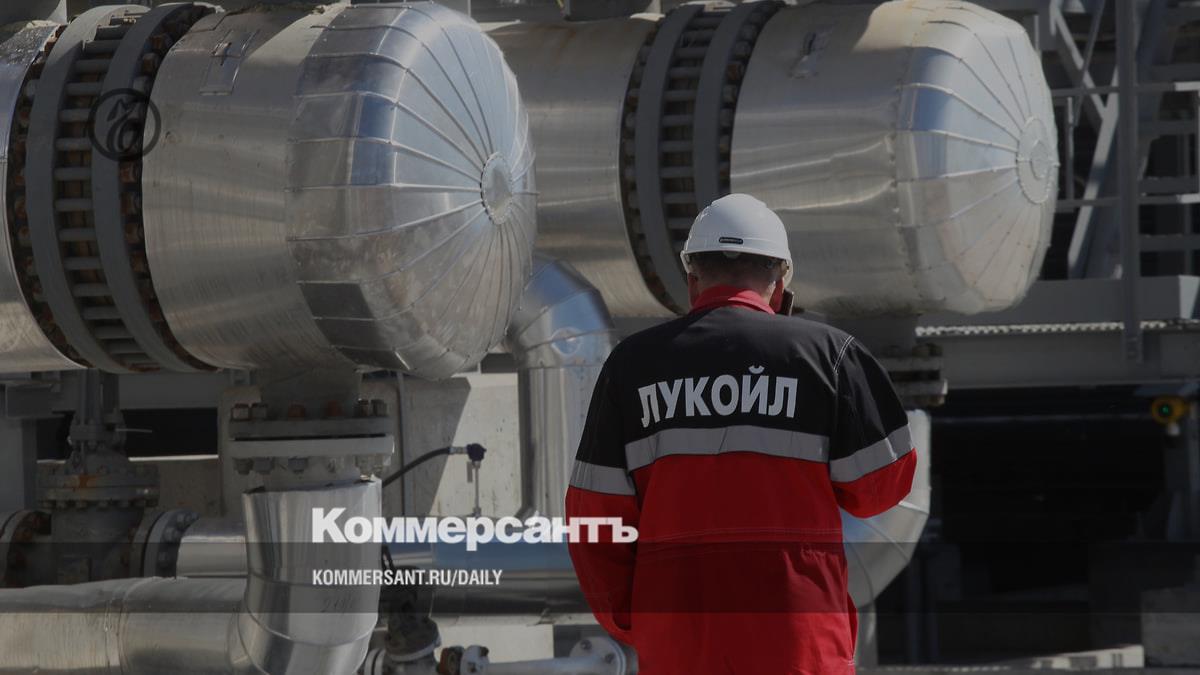
The Bulgarian government is systematically stripping Lukoil of control over its Neftohim Burgas refinery through a series of legislative overrides and reporting mandates. Despite vetoes from President Rumen Radev, parliament is pushing to install external management and restrict asset sales to ensure a transition to non-Russian ownership.
The Clash Between Radev and Parliament
The struggle for the future of Bulgaria’s energy infrastructure has devolved into a high-stakes constitutional standoff. At the center is a law passed on November 7, designed to install a special manager at the Lukoil Neftohim Burgas refinery. This manager’s primary mandate is to prepare the facility for a sale to non-Russian investors.
As LIGA.net reported, President Rumen Radev vetoed this legislation, returning it to the National Assembly for further deliberation. Radev’s opposition is not merely procedural; he views the move as a dangerous precedent for the country’s legal framework.
“President believes that the changes in the law lead to the undermining of the rule of law in the country, contradict basic European legal norms and represent a high risk for state finances”
Rumen Radev, President of Bulgaria, via LIGA.net
The governing majority in parliament has already signaled its intent to override this veto, mirroring a previous victory where they successfully bypassed a presidential veto on an investment law regulating the sale of Lukoil’s assets. This pattern suggests a determined executive-legislative push to decouple the nation’s sole refinery from its Russian owner, a process that has been accelerating since late 2023.
Security Vetting and the Frozen Asset Trap
cluster (priority): biz.liga.net
Even if a buyer is found, the exit strategy for Lukoil is fraught with financial peril. New investment laws have shifted the power of approval away from the market and into the hands of the state. According to Kommersant, any deal involving the alienation of Lukoil assets must now be conducted under the strict supervision of the State Agency for National Security (SANS).
The agency is required to provide a written conclusion on the viability of the sale, while the Bulgarian government retains the ultimate right to block the transaction entirely. This creates a bottleneck where national security interests supersede commercial agreements.
The financial stakes are equally grim for the Russian firm. Both government sources and analysts indicate that Lukoil will likely see none of the proceeds from a potential sale in the immediate future. Instead, the funds are expected to be frozen in special accounts, remaining inaccessible until western sanctions are lifted. This effectively turns a commercial sale into a forced divestment with deferred compensation.
New Monthly Mandates for Asset Managers
cluster (priority): kommersant.ru
Beyond the overarching battle over ownership, the state is implementing granular controls over the day-to-day operations of the refinery. Recent amendments to the law on the administrative regulation of oil and petroleum product activities have introduced a rigorous reporting regime.
As detailed by BNT, the special trade manager overseeing the enterprise’s assets is now legally obligated to submit monthly reports directly to the Bulgarian Minister of Economy.
This reporting requirement is paired with a significant increase in judicial oversight. The government has introduced reinforced court control over any decisions involving the disposal of property, shares, or stakes within the company. By tightening the leash on the manager, Sofia is ensuring that no assets can be moved or liquidated without the state’s explicit knowledge and legal approval.
The Decoupling of Bulgarian Crude
cluster (priority): taptap.cn
The legislative aggression is backed by a stark shift in the refinery’s operational reality. Neftohim Burgas is not just a local asset; it is the largest refinery in the Balkans and the primary oil supplier for Bulgaria. However, its reliance on Russian crude has plummeted.
Data from the company’s 2024 report reveals a dramatic pivot in supply chains:
Russian Crude Processing: Dropped by nearly 90%, falling to 182,510 tons.
Kazakh Crude Procurement: Increased 11.3 times, reaching 2.4 million tons.
Alternative Sources: Increased imports from Iraq and various African nations.
This shift in raw materials makes the “de facto nationalization” of the plant more feasible. With the technical dependency on Russian oil largely broken, the Bulgarian government can move toward a “German model” of external management without risking a total collapse of the national fuel supply. The state is no longer managing a Russian asset that provides Russian oil; it is managing a strategic piece of infrastructure that now processes global crude, making the transition to a non-Russian owner a matter of political will rather than technical necessity.