
Iran’s national soccer team will reside in Mexico and commute to the United States for their 2026 FIFA World Cup matches after Washington declined to host the squad, Mexican President Claudia Sheinbaum confirmed on Monday. The move follows intense visa scrutiny and security concerns regarding the Iranian delegation’s presence in the U.S.
The Mexican Border Commute for Team Iran
The logistics of Iran’s World Cup campaign have undergone a radical shift as the tournament approaches. Rather than establishing a permanent base within the United States, the squad will sleep in Mexico and travel across the border only on the days of their three scheduled Group G matches. This arrangement follows the U.S. government’s refusal to host the team for the duration of the competition, which runs from June 11 to July 19.
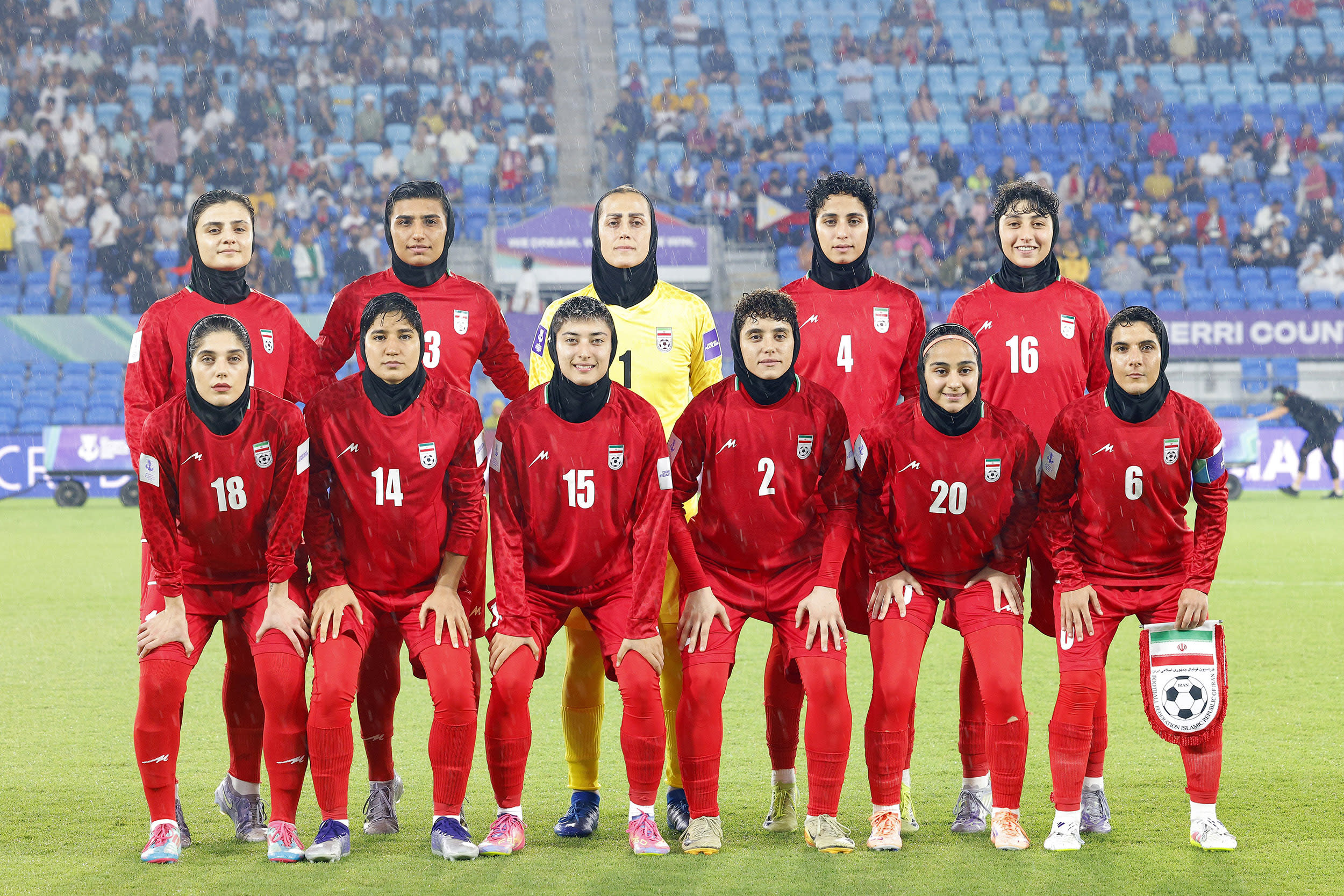
According to CBC, the Iranian Football Federation has already begun adjusting its operational plans. Mehdi Taj, the head of the federation, announced that the team’s base would be relocated from Arizona to the Mexican border city of Tijuana. Taj noted that this shift is designed to bypass visa-related complications and facilitate direct Iran Air flights into Mexico.
- June 15: vs. New Zealand in Los Angeles
- June 21: vs. Belgium in Los Angeles
- June 26: vs. Egypt in Seattle
Mexican President Claudia Sheinbaum expressed openness to the arrangement during a daily press conference, stating that her government has no reason to deny the team the possibility of staying in Mexico. This decision comes after FIFA approached the Mexican government following indications from U.S. authorities that they did not want the Iranian squad staying in the country throughout the tournament.
The U.S. position has been characterized by a tension between tournament participation and national security.
Drone Strikes and Radar Site Attacks
The soccer-related diplomatic friction is occurring against a backdrop of escalating military hostilities. The tension between Washington and Tehran has moved beyond visa disputes into direct kinetic engagement.
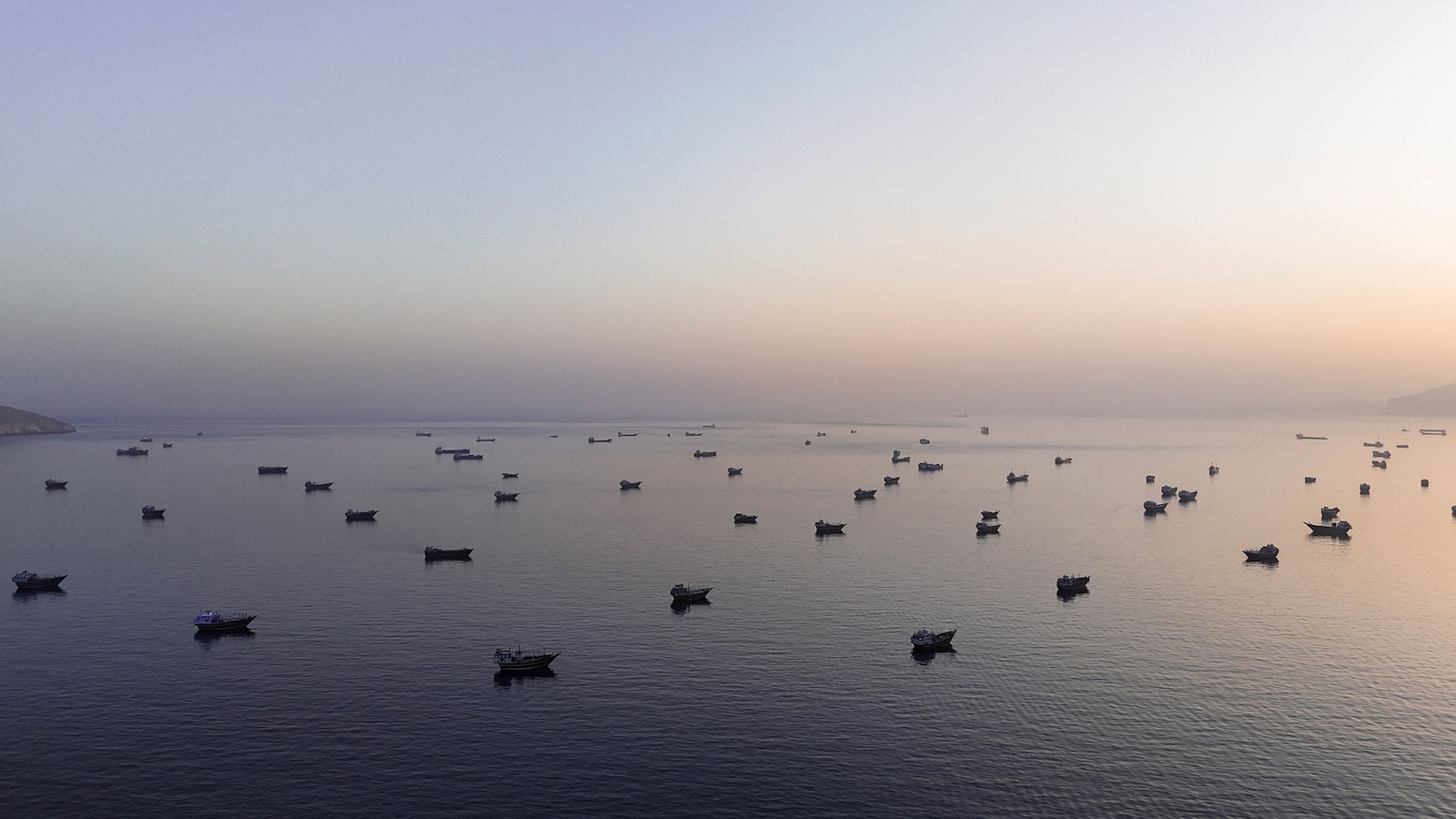
U.S. Central Command recently confirmed that its forces successfully shot down four Iranian one-way attack drones that were launched toward the Strait of Hormuz. These drones were described by military officials as posing an immediate threat to regional maritime traffic. In the immediate aftermath of the drone launches, U.S. forces struck Iranian coastal surveillance radar sites located in Goruk and on Qeshm Island to defend against further aggression.
President Trump has framed the ongoing conflict as nearing its conclusion, though he has not ruled out a violent end to the hostilities. Speaking at an event in Wisconsin, he suggested the war is largely finished but could conclude in one of two ways.
“It’s either finished with a piece of paper, or finished a more difficult way, although you could say a much easier way.”
The IAEA Nuclear Verification Obstacles
While the military conflict simmers, the long-term resolution of the Iran crisis remains tethered to the fate of its nuclear program. Negotiators are engaged in indirect diplomacy to extend ceasefires and reopen the Strait of Hormuz, but a definitive deal remains elusive.

A significant point of contention involves the status of Iran’s 60% enriched uranium. Rafael Grossi, the Director General of the International Atomic Energy Agency, indicated that while there are technically feasible options for managing the material—including exporting it or diluting it—the ultimate path forward is a political decision. Grossi emphasized that no sustainable arrangement can move forward without first re-establishing a verified baseline of material on the ground, a task complicated by the recent disruptions in inspector access.
The diplomatic deadlock is further complicated by economic demands from Tehran. Mohsen Rezaei, a military adviser to Iranian Supreme Leader Mojtaba Khamenei, told CNN that the current negotiations are at a standstill. Rezaei argued that the United States must pass a "test" of trust by unsealing billions of dollars in frozen Iranian assets.
As the World Cup begins in just weeks, the intersection of global sport and geopolitical warfare creates a volatile atmosphere. For the Iranian athletes, the tournament may be less about the pitch and more about navigating a landscape of visa denials, border commutes, and the shadow of an ongoing war.
