
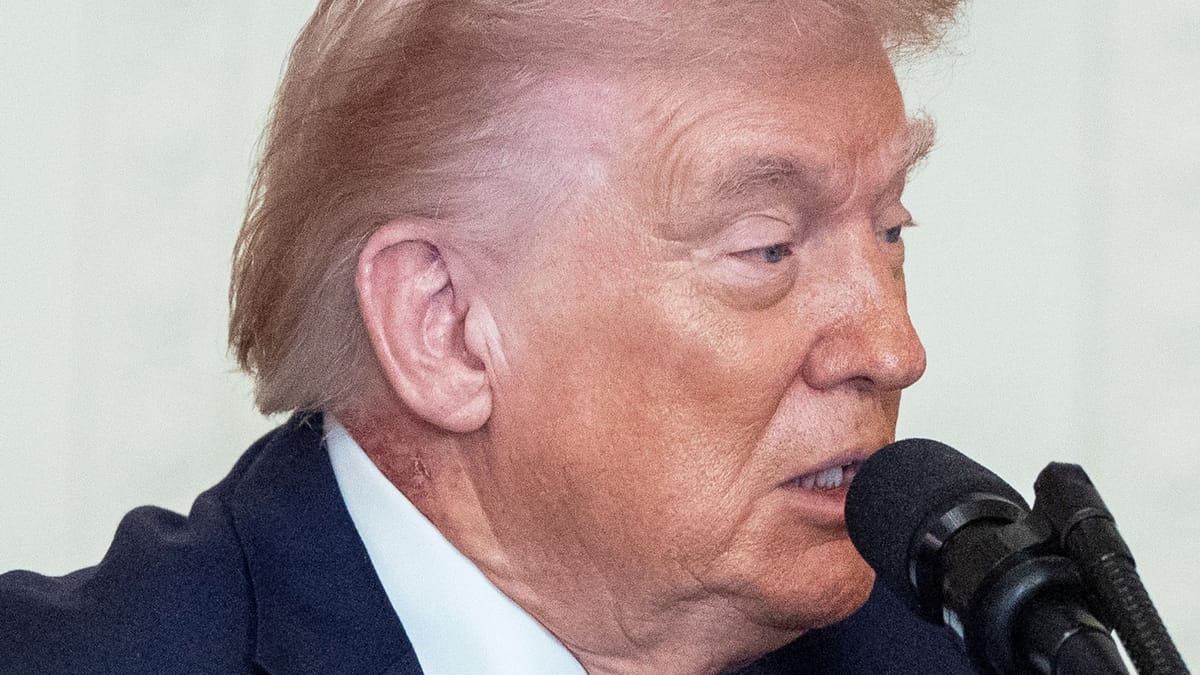
President Donald Trump intends to officially nominate his former personal attorney, Todd Blanche, as Attorney General this Thursday, according to t-online.de. This move comes as SpaceX prepares for a massive IPO and the House of Representatives votes to limit presidential war powers regarding the ongoing conflict in Iran.
Todd Blanche’s Path to the Justice Department
During a dinner held at the White House, President Trump announced his plan to move Todd Blanche from his current acting role into a permanent position. Blanche, a former personal lawyer to the President, is expected to receive an official nomination on Thursday.

“We will appoint him as the permanent Attorney General.” Trump, via t-online.de
The appointment marks a significant consolidation of presidential influence within the Department of Justice, placing a long-time legal confidant at the helm of the nation’s top law enforcement agency.

The transition from an acting role to a permanent appointment is expected to trigger a formal review by the Senate Judiciary Committee. During the upcoming confirmation hearings, senators are expected to question Blanche on his prior legal representation of the President, specifically regarding the intersection of personal legal defense and the impartial administration of justice. The White House has framed the nomination as a move to ensure continuity in the Department of Justice’s leadership during a period of intensive legal scrutiny. However, opposition members in the Senate have signaled that they will scrutinize the appointment for potential conflicts of interest, focusing on Blanche’s history as a close legal confidant to the President and his previous role in defending the administration in various federal court proceedings.
SpaceX Targets $1.8 Trillion Valuation in Massive IPO
In the private sector, Elon Musk’s SpaceX is moving toward a historic market debut. According to t-online.de, the company has set its sights on raising approximately $75 billion through its initial public offering.
The scale of this offering is designed to achieve an immediate total valuation of nearly $1.8 trillion. Based on an issue price of $135 per share, the company’s financial structure ensures that Musk maintains dominant authority. The updated prospectus reveals that he will retain more than 80 percent of the voting power via specialized shares.
To put the magnitude of this transaction into perspective, the following table compares SpaceX’s targets with the previous record-holder:
| Metric | SpaceX (Target) | Saudi Aramco (2019) |
|---|---|---|
| Capital Raised | $75 billion | $29 billion |
| Total Valuation | ~$1.8 trillion | Not specified |
The S-1 registration statement filed with the Securities and Exchange Commission (SEC) provides the technical framework for the $135 per share pricing. Under the proposed structure, the specialized shares will grant Musk control over major corporate decisions, including board appointments and strategic mergers. This dual-class share structure is intended to insulate the company’s long-term mission, such as the development of the Starship launch system and the expansion of Starlink, from short-term market pressures. Financial analysts monitoring the aerospace sector suggest that the $1.8 trillion valuation is largely driven by the projected growth of the Starlink satellite network and upcoming government contracts. The $75 billion capital raise is also aimed at expanding launch infrastructure at SpaceX’s facilities in Texas and Florida to support increased payload demands and the scaling of orbital launch frequencies.
House Resolution Challenges Presidential War Powers in Iran
The legislative branch is also signaling growing resistance to the administration’s foreign policy. The US House of Representatives passed a resolution 215 to 208 aimed at curbing presidential war-making authority. The measure, which saw four Republicans join the Democratic bloc, demands the withdrawal of US troops from Iran unless Congress formally declares war or provides specific military authorization.
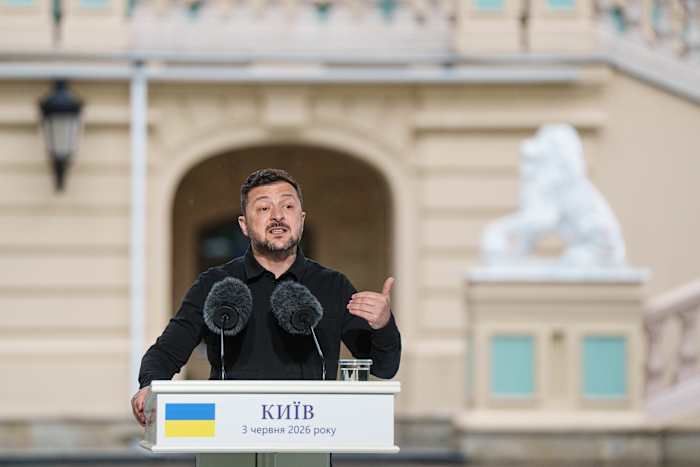
This legislative push is a direct response to the military conflict that began on February 28, following joint airstrikes by the US and Israel against Iranian targets. While the administration maintains that these actions are necessary for national security and to prevent Iran from developing nuclear capabilities, the resolution highlights a deepening partisan divide.
As t-online.de reports, Democrats are framing the conflict as a strategic failure and a driver of domestic economic hardship, specifically pointing to spikes in the cost of food and gasoline.
The resolution faces a difficult path to becoming law. It must first pass the Senate, and even if successful, the President can veto the measure. Overriding such a veto would require a two-thirds majority in both the House and the Senate, a high threshold that remains uncertain in the current political climate.
The resolution, which passed with a narrow margin of 215 to 208, specifically targets the legal authority used by the Executive Branch to conduct kinetic operations without a direct Congressional mandate. The four Republicans who crossed party lines cited the necessity of maintaining the constitutional balance of power, arguing that continued unilateral military action risks an uncontrolled regional escalation. The Pentagon, in a briefing following the House vote, reaffirmed that the February 28 strikes were “defensive in nature” and aimed at “degrading the capability of hostile actors.” Conversely, the Iranian Ministry of Foreign Affairs has characterized the strikes as a violation of international law, specifically citing the sovereignty of the Iranian state. Democratic leadership has increasingly tied the cost of these military operations to domestic economic indicators, asserting that the redirection of federal funds toward Middle Eastern conflicts is exacerbating inflation in the food and energy sectors. The National Security Council has maintained that the current military posture is essential to prevent the proliferation of advanced missile technology to non-state actors in the Middle East.
