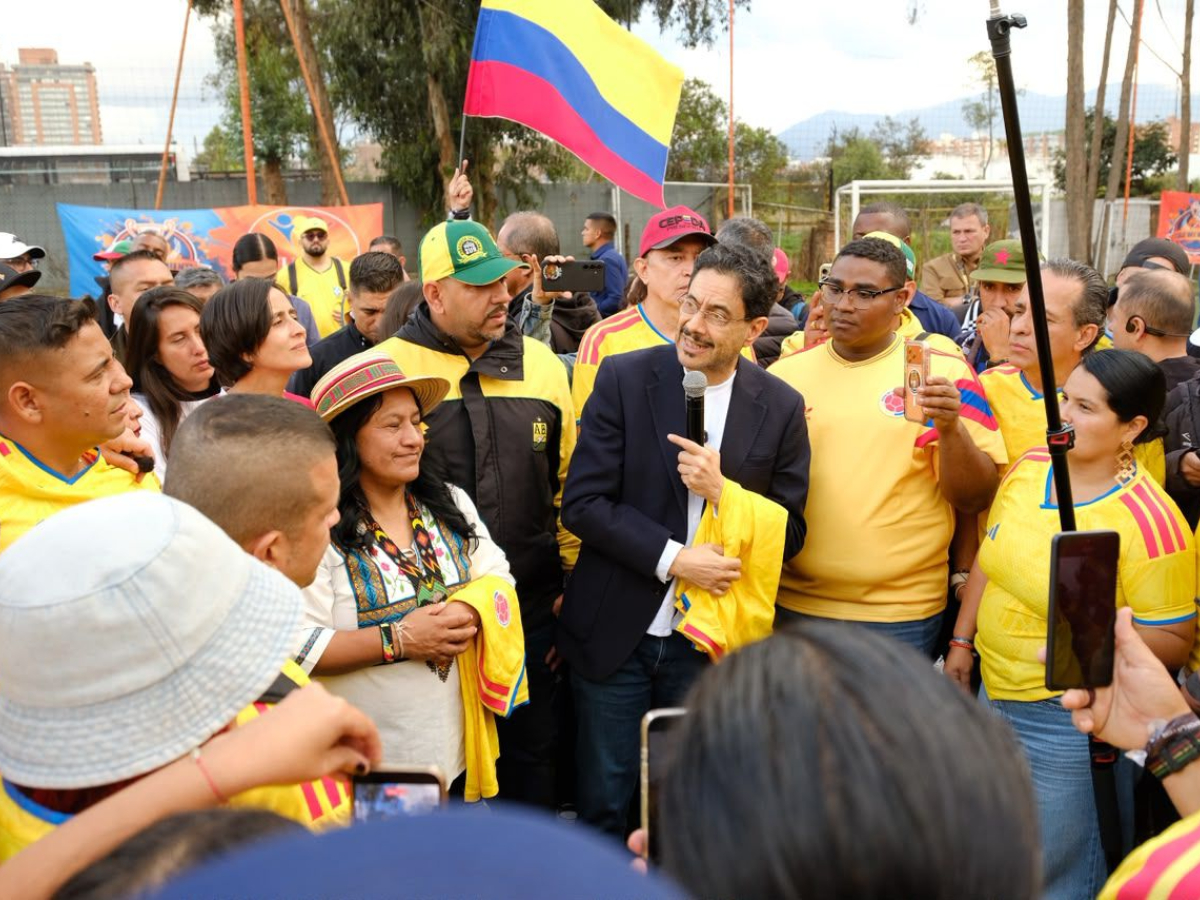
Presidential candidate Iván Cepeda received the Colombian National Team jersey from 32 football fan groups and 18 collectives on June 5, 2026. The gesture follows a heated electoral dispute with opponent Abelardo de la Espriella, who was recently banned by a judge from wearing the garment for political purposes.
The Battle for the National Symbol
cluster (priority): Federación Colombiana de Futbol
In the high-stakes environment of the Colombian presidential race, a piece of athletic wear has evolved into a potent political weapon. For candidates Iván Cepeda and Abelardo de la Espriella, the yellow jersey of the Colombian National Team is no longer just sports apparel; it is a claim to national identity. As La Silla Vacía reported, the garment has become a central point of electoral contention, shifting from a symbol of unity to a marker of political division.
Cepeda, representing the Pacto Histórico, initially urged his supporters to avoid using the jersey to prevent its politicization. However, the strategy shifted this week. Surrounded by football supporters, Cepeda embraced the symbol, framing it as an inclusive emblem of the people rather than a tool for a single campaign.
“This (the jersey) represents us as Colombia, our common origin, our pride as a nation and our identity. So Mr. Abelardo (…) do not be a thief: do not steal the jersey from all of us.”
Iván Cepeda, Presidential Candidate
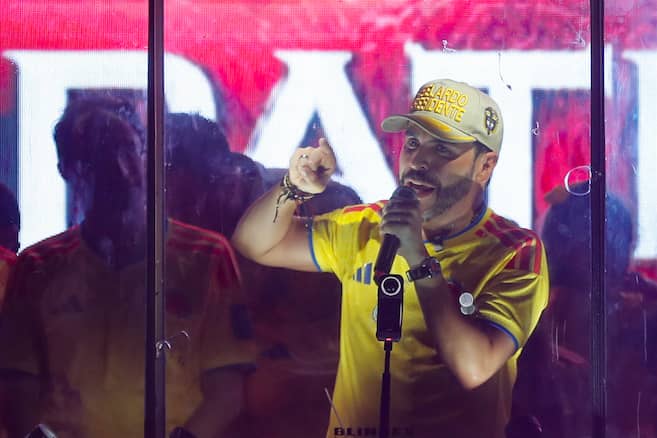
The conflict is more than a disagreement over dress codes. It is a clash of narratives. While Cepeda positions the jersey as a collective right, De la Espriella has integrated it into a calculated brand. His campaign encouraged supporters to wear the jersey during the first round, with hundreds appearing at victory speeches in Bogotá, Medellín, and Barranquilla. De la Espriella even modified the garment, adding his movement’s logo to the chest.
cluster (priority): Revista Semana
The tension reached the courts when the 120th Municipal Criminal Court of Knowledge in Bogotá issued a precautionary measure. According to Revista Semana, the judge prohibited De la Espriella from wearing the jersey while a broader tutela action is studied.
De la Espriella has ignored the ruling. He continued to wear the jersey in interviews throughout the week, a move mirrored by his running mate, José Manuel Restrepo.
“I have always been characterized by always complying with judicial decisions, but I cannot comply with this one, because no one can take away my right to wear the jersey.”
Abelardo de la Espriella, Presidential Candidate
Not everyone views this defiance as a stand for civil liberties. Humberto de la Calle criticized the legal battle over the clothing, stating simply that “stupidity has no limit.”
The strategy employed by De la Espriella, often referred to as “the tiger,” is an exercise in aspirational marketing. Rather than using the jersey to blend in with the masses, he has used it to signal a specific type of status. Analysis from El Espectador suggests that De la Espriella is not attempting to feel close to the people, but is instead selling a fantasy that the public can move from being “people” to being “elite,” much like himself. This is evidenced by his campaign slogan: “put on the jersey and go out to vote, to put the line to the tiger.”
The FCF’s Plea for Neutrality
Cepeda, Abelardo y el uso de la camiseta de la Selección Colombia – Huevos Revueltos con Política
Caught in the crossfire is the Colombian Football Federation (FCF). The governing body has attempted to distance itself from the electoral fray, emphasizing that it is a private entity with no legal authority to dictate how citizens wear clothing they have purchased.
In an official statement released by the Federación Colombiana de Futbol, the organization clarified that it does not distribute the jerseys—which are sold via Adidas—and has no power to limit their use in non-commercial controversies.
“We invite the Colombian Football Federation, the Colombian National Team, its athletes and its symbols to be kept aside from political or electoral debates. The Colombian National Team is an icon of unity. Let the electoral contest not turn it into an excuse or one more element of political confrontation.”
FCF Official Statement
The FCF’s frustration is palpable. The organization has repeatedly called for its trademarks to be used for sporting purposes only, lamenting that a symbol of discipline and teamwork has been reduced to a point of political friction.
From Football Pitch to Political Platform
cluster (priority): El Espectador
The politicization of the team has extended beyond the candidates to the players and the presidency. President Gustavo Petro and members of his cabinet have also donned the jersey, further blurring the line between state identity and party loyalty.
The volatility of the situation manifested physically on Monday night. Pro-Petro collectives stopped the bus transporting the national team after their victory over Costa Rica at the Campín stadium. This atmosphere of tension served as the backdrop for the President presenting the national flag to the team before their departure for the World Cup.
Even these moments of supposed unity are scrutinized. In the aftermath of the flag presentation, segments of the fanbase on social media criticized captain James Rodríguez for allegedly failing to take a photograph with Antonella Petro, the president’s youngest daughter.
For Cepeda, the path forward involves turning this symbolic victory into policy. Having received the jersey from a coalition of 32 barras and 18 collectives—groups he claims represent the political project of the Pacto Histórico and the Alianza por la Vida—he has promised to promote a program of “social barrismo.”
By framing the jersey as a collective asset, Cepeda is attempting to reclaim the “totemic” value of the garment.
“This is not a mere commercial object, this represents us as a nation, it is a symbol that unites us. It does not belong to anyone, it belongs to all of us and that is why we cannot allow them to rob us. We cannot let someone come and arrogate the power to say that they represent their ideals.”
Iván Cepeda, Presidential Candidate
As the campaign intensifies, the jersey remains a proxy for a larger struggle over who truly speaks for the Colombian people: the populist collective or the aspirational elite.