
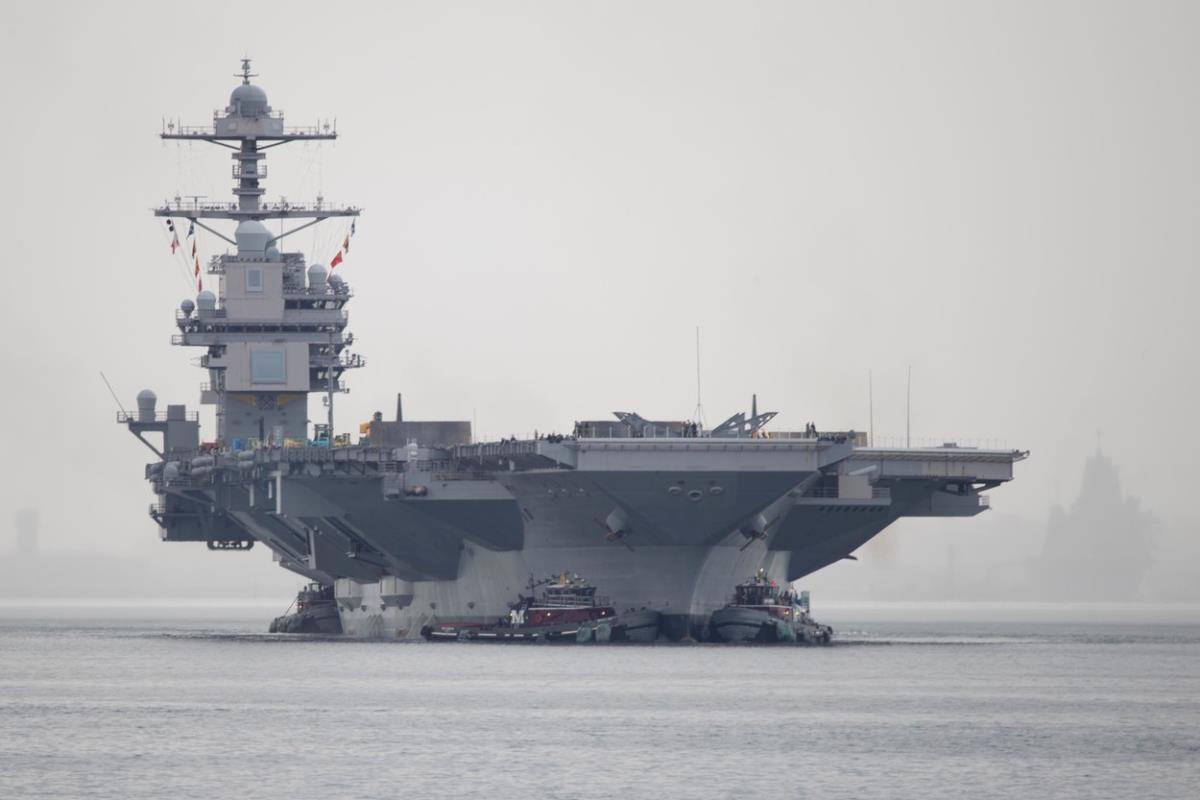
The Failure of the Automatic Firefighting System
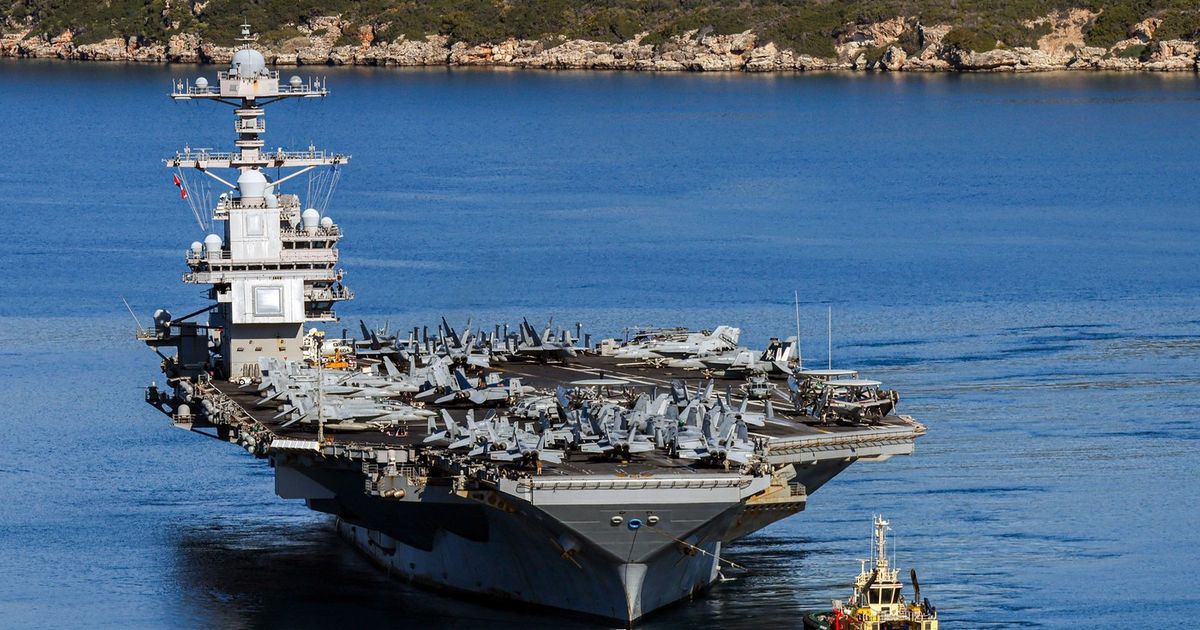
The crisis began in the ship’s laundry and drying area, a location that should have been easily manageable for the most advanced aircraft carrier in the U.S. fleet. However, the disaster was compounded by a critical technical failure. According to reporting from Mondo, the ship’s automatic firefighting system failed to activate, leaving the crew with no choice but to improvise.
What followed was a 30-hour struggle to contain the flames and prevent a total loss of the vessel. Sailors were forced to fight the fire manually, working in a desperate effort to stop the blaze from spreading further through the ship’s interior.
“This should not have happened. The firefighting system built into the ship should have extinguished the fire immediately.”
An anonymous sailor, via Telegraf.rs
The human cost of the failure was immediate. The fire completely destroyed sleeping quarters, leaving approximately 600 sailors without access to their berths.
Contradicting the Navy’s Official Narrative

In the immediate aftermath, the U.S. Navy attempted to manage the public perception of the incident. As Telegraf.rs reports, the Pentagon issued brief statements claiming the fire was quickly contained, that the carrier remained fully operational, and that only two sailors were treated for non-life-threatening injuries.
The reality captured in exclusive CNN footage paints a far more grim picture. The video shows the interior of the ship reduced to a wasteland of ash and charred debris. In the sleeping quarters, beds have been replaced by twisted, blackened metal bars hanging from ceilings where the fire literally consumed the structure. Exposed wiring hangs from the overheads, and floors are buried under thick layers of ash.
“I seriously thought we would lose the ship. In such a situation, you have only two choices — fight or die.”
A sailor aboard the USS Gerald R. Ford, via CNN
This discrepancy suggests a deliberate attempt by naval leadership to hide the extent to which the ship’s combat capabilities were compromised during a high-stakes conflict with Iran.
Operational Fallout and the Detour to Greece
The damage was not merely cosmetic or confined to living quarters; it hit the ship’s primary mission: air power. While the Navy initially downplayed the impact, Admiral Daryl Coddle, Chief of Naval Operations, admitted in April that the vessel was unable to launch aircraft for two full days following the incident.
The severity of the damage forced the carrier to deviate from its planned route. The ship had to make an emergency stop at a Greek port to undergo temporary repairs before it could return to active duty. This unplanned diversion highlights a significant vulnerability in the U.S. Navy’s power projection in the region.
The Strain of the Longest Deployment Since Vietnam
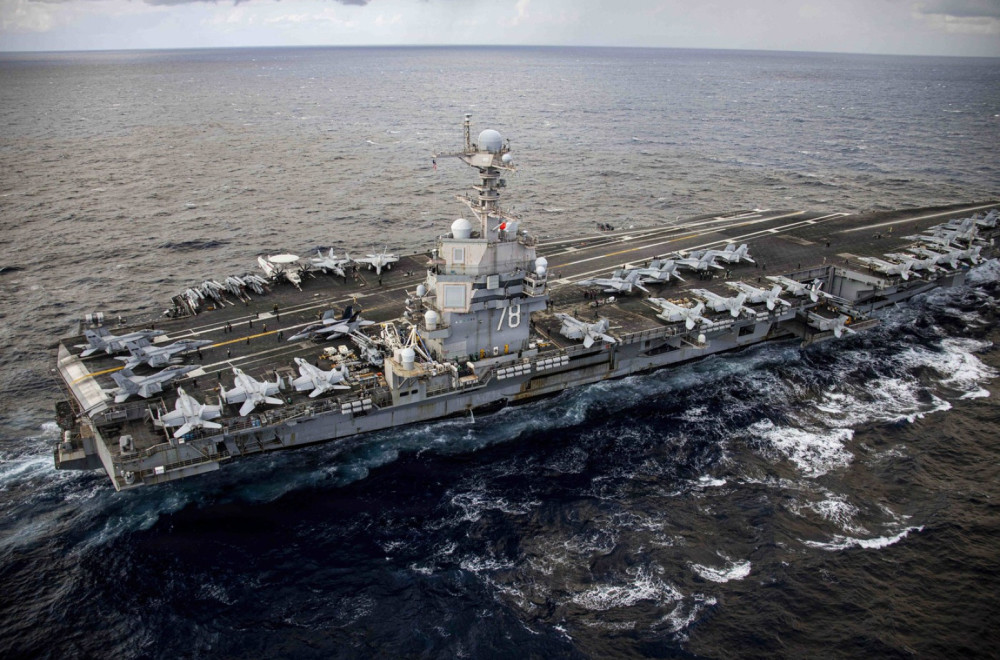
The fire is the most visible symptom of a ship pushed to its absolute limit. The USS Gerald R. Ford has been engaged in its longest operational deployment since the Vietnam War, a grueling stretch that has seen the ship operate across the Mediterranean and Norway, including two stops in Split.
Beyond the fire, the crew faced a breakdown in basic shipboard infrastructure. Sailors reported that toilets in the forward section of the ship were frequently clogged, forcing personnel to walk the entire length of the vessel to the stern just to find a functioning restroom.
The ship’s recent operational history reflects its role as a primary tool of U.S. aggression and intervention:
The cumulative effect of these missions, combined with the catastrophic laundry fire, has left the vessel in a state of exhaustion. According to B92, the ship is now facing an extensive overhaul. A high-ranking U.S. official told CNN that it could be at least one year before the carrier is fully repaired and ready for sea again.
The Navy’s spokesperson has declined to provide further details on the system failure, stating only that the investigation into the causes of the fire is still ongoing. For the crew, however, the investigation matters less than the memory of a 30-hour fight for survival on the world’s largest warship.
