
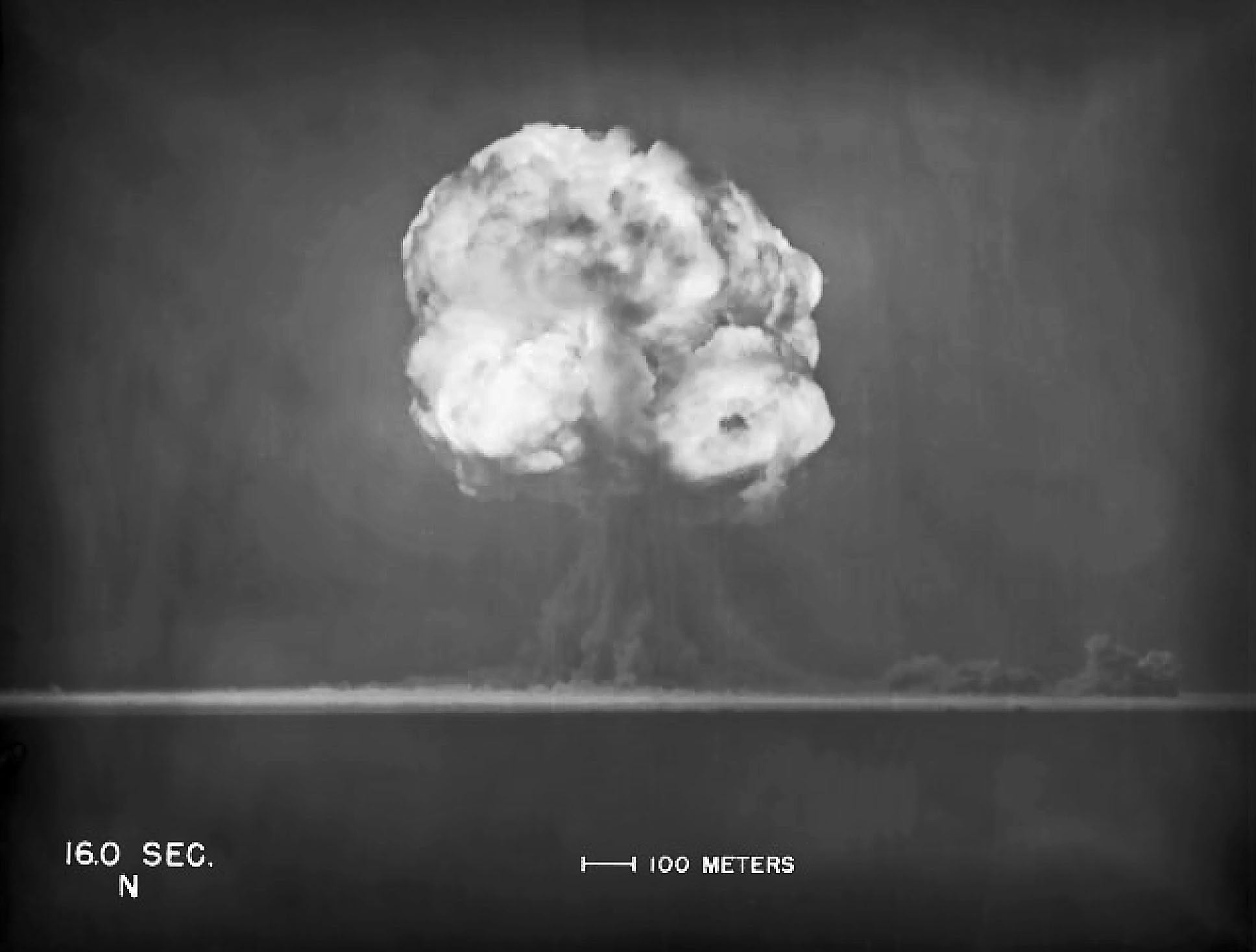
Hebrew-language media outlets, including Kikar HaShabbat, are reporting on the purported revelation of a new substance created during the first atomic explosion. Although the specific chemical or physical properties of this material have not been detailed in these reports, the claim surfaces during a period of intense nuclear monitoring.
Unverified Reports of Atomic Material Discovery
Headlines circulating in Hebrew-language media, specifically within the news outlet Kikar HaShabbat, suggest that a substance created during the first atomic explosion has been revealed for the first time. While the headline carries significant weight for those following nuclear physics and historical science, the current reporting lacks the empirical data required for scientific validation.

As of May 2026, these reports have not provided the specific name of the material, its atomic weight, its isotopic composition, or the research institution responsible for the discovery. From a scientific standpoint, the absence of a peer-reviewed study or a formal announcement from a recognized nuclear agency means the claim remains speculative. Without details regarding the decay chain or the specific experimental conditions that allowed for this identification, the scientific community cannot yet confirm the existence or the nature of this substance.
Iranian Nuclear Inventory and Security Incidents
The emergence of news regarding atomic materials coincides with heightened scrutiny of Iran’s nuclear program. Security concerns were recently underscored by law enforcement actions taken in early spring. On April 6, 2026, authorities arrested suspects accused of producing explosives intended for Iran.
This security incident occurs alongside intelligence estimates regarding Iran’s existing nuclear stockpiles. Current data indicates that Iran maintains approximately 440 kilograms of enriched uranium. This quantity is reportedly sufficient to produce 11 atomic bombs. The presence of such a stockpile continues to drive international monitoring efforts and fuels speculation regarding the stability of regional nuclear non-proliferation efforts.
Proposed Terms for Nuclear De-escalation
Diplomatic efforts to address these nuclear capabilities are currently centered on specific negotiating frameworks. Reporting from the Wall Street Journal indicates that the United States has outlined several mandatory conditions for any potential nuclear agreement with Iran.
These proposed terms include the dismantling of existing nuclear facilities and a 20-year prohibition on uranium enrichment. Additionally, the United States is seeking the transfer of enriched uranium stocks to ensure that the material is removed from Iranian control. These conditions represent a significant technical and political threshold for any future settlement aimed at reducing the risk of nuclear proliferation in the Middle East.
Regional Diplomatic Developments
Parallel to the nuclear discussions, regional diplomatic architecture is undergoing shifts. Prime Minister Benjamin Netanyahu recently conducted a secret visit to the United Arab Emirates, where he held meetings with President Sheikh Mohamed bin Zayed. The objective of this meeting involved discussing regional security and the evolving political climate.
The Prime Minister’s Office characterized the outcome of these high-level discussions as a significant development in bilateral ties. According to a statement from the office, the meeting brought about a historic breakthrough in relations between Israel and the United Arab Emirates
.
