
Optimal Training Frequency for Longevity
## The dose-response relationship of strength training
Research into the relationship between physical activity and lifespan shows a distinct dose-response curve for resistance training. According to data published in the British Journal of Sports Medicine, individuals who engage in regular strength training see a significant reduction in all-cause mortality compared to sedentary populations. The data suggests that the mortality-reducing benefits do not increase linearly with every additional hour spent in the gym.
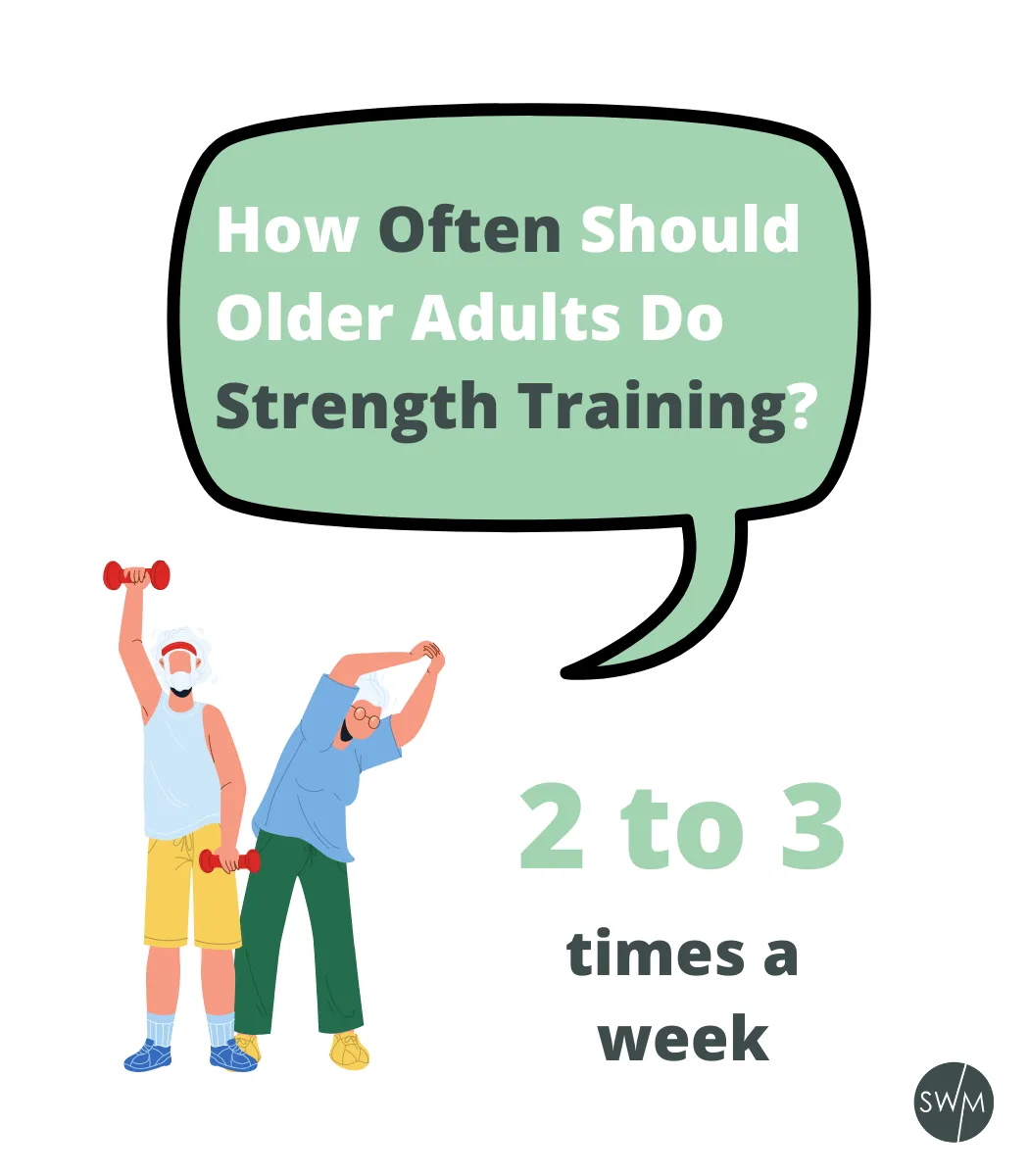
Instead, the benefits follow a pattern where the most significant drops in mortality risk occur when moving from no exercise to moderate-to-high intensity resistance training. Once an individual reaches a threshold of approximately two to three sessions per week, the marginal gains in longevity diminish. This suggests a “sweet spot” where the physiological stimulus is sufficient to trigger hypertrophic and metabolic adaptations without reaching the point of diminishing returns or excessive systemic fatigue.
Grip Strength and Biological Age

## Grip strength as a biological proxy
Scientists increasingly use grip strength as a primary metric for assessing biological age and long-term health outcomes. Studies cited in various geriatric research journals indicate that higher grip strength correlates with a lower risk of cardiovascular disease and metabolic dysfunction.
The mechanism involves more than just hand strength. Grip strength serves as a proxy for overall skeletal muscle mass and neuromuscular function. In longitudinal studies, participants with higher grip strength scores demonstrated greater resilience to age-related frailty. This resilience is a critical component of longevity, as the ability to maintain functional independence directly impacts mortality rates in older populations.
Metabolic Stability and Muscle Mass
## The metabolic role of skeletal muscle
Skeletal muscle functions as more than a locomotor organ; it acts as a major endocrine and metabolic regulator. The “sweet spot” of strength training targets the maintenance of muscle mass to prevent sarcopenia, the age-related loss of muscle tissue.
According to metabolic research, muscle tissue is a primary site for glucose disposal. Maintaining adequate muscle mass through resistance training improves insulin sensitivity and helps regulate blood glucose levels. This metabolic stability reduces the risk of Type 2 diabetes, a condition that contributes to various cardiovascular complications. By stimulating muscle protein synthesis through controlled resistance, individuals create a metabolic buffer that protects against the systemic inflammation often associated with aging.
Injury Mitigation and Recovery

## Mitigating injury through controlled volume
While higher volumes of training can lead to muscle hypertrophy, they also increase the risk of orthopedic injury and overtraining syndrome. The literature suggests that the longevity benefits of strength training are negated if the training regimen leads to chronic injury or joint degradation.
The optimal frequency of two to three sessions per week allows for adequate recovery periods. These periods are essential for the repair of micro-tears in muscle fibers and the strengthening of connective tissues, such as tendons and ligaments.
wp:quote
The most significant reductions in mortality are observed in those who balance intensity with recovery, rather than those pursuing maximal volume at the expense of structural integrity.Dr. Aris Georgopoulos, Institute of Sports Science
## Comparing resistance and aerobic training
The scientific consensus distinguishes between the benefits of resistance training and aerobic exercise, noting that they target different longevity pathways. Aerobic training primarily improves cardiovascular efficiency and mitochondrial function, while resistance training focuses on muscle mass and metabolic regulation.
Recent comparative studies suggest that the highest longevity outcomes are not achieved by choosing one over the other, but by integrating both. However, for those specifically seeking to combat the frailty associated with aging, the strength training component is considered non-negotiable. While aerobic exercise may improve heart health, it does not provide the same protection against sarcopenia that resistance training offers.
As research continues into the molecular mechanisms of aging, the focus remains on how specific mechanical loads influence cellular longevity. For now, the evidence points to a consistent, moderate approach to strength training as a primary tool for extending functional lifespan.
Find more reporting in our Science section.
