The 2026 World Cup began June 11 in the United States, Mexico, and Canada, triggering a global surge in national team jersey sales. Major brands including Adidas, Nike, and PUMA launched specialized kits featuring cultural motifs and cooling technologies, while secondary markets in Indonesia report sales increases of up to three times.
Cultural Motifs and the Shift Toward Narrative Design
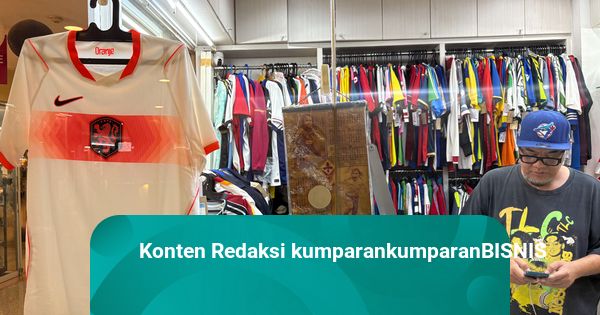
Photo: Kumparan.com
The 2026 kits mark a departure from minimalist aesthetics, favoring designs that function as cultural storytelling. As Detik reported, Mexico’s home jersey incorporates local cultural patterns, while South Korea has opted for a purple home kit accented with floral motifs.
Other nations have embraced unconventional palettes and references. Argentina’s away kit features a black base with expressive blue floral patterns, and Uruguay’s away jersey draws comparisons to the aesthetic of the fictional character Black Panther. In Africa, Senegal’s home kit utilizes vertical patterns to assert its identity, while Ghana’s away jersey features a striking spider-web pattern and the Black Star.
The trend extends to regional sports crossovers and historical nods. Japan’s away jersey is designed to resemble yakyu (baseball) uniforms, reflecting the country’s most popular sport. Meanwhile, Sweden’s away kit integrates Viking elements and a retro Adidas logo to emphasize Scandinavian identity.
The Technical Race: Adidas Trefoil and Nike Aero-FIT
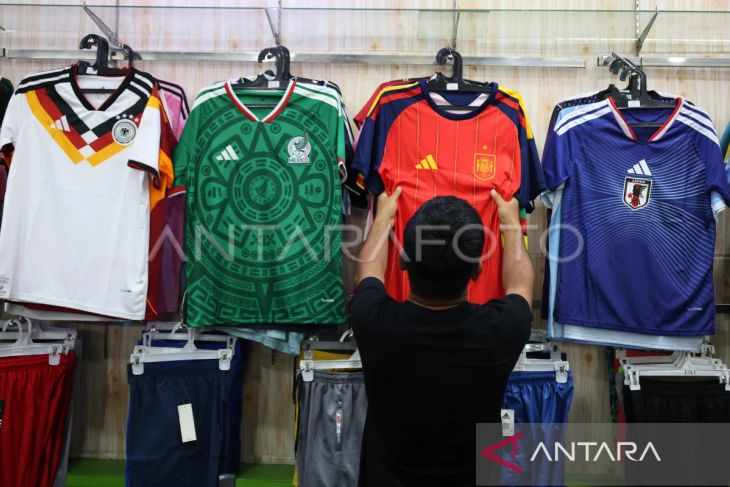
Photo: ANTARA News
The commercial rollout for the tournament was staggered across the three major sportswear giants. According to Goal.com, Adidas began the cycle on November 5, 2025, releasing home kits for 22 nations, followed by away kits for 25 federations on March 20, 2026.
A significant branding shift occurred with Adidas reintroducing the Trefoil logo on the right chest—the first time the symbol has appeared on World Cup jerseys in 36 years. This move signals a deliberate attempt to blend 1990s football culture with modern performance requirements.
Nike and PUMA followed with their own launches in late March 2026. Nike focused heavily on environmental adaptation, introducing “Aero-FIT” cooling technology. This system uses computational design and specific knitting processes to keep athletes cool during the extreme summer conditions expected across North America. PUMA’s collection, launched March 24, focused on capturing the “character and spirit” of its respective nations.
The Indonesian Market: Original Kits vs. Imports
FIFA World Cup 2026: CNA picks top 5 football jerseys
In Indonesia, the demand for 2026 jerseys has created a fragmented market where original high-end kits compete with “Grade Ori” imports and local productions. The price gap is stark, creating different consumer tiers based on budget and authenticity.
Jersey Category
Price Range (IDR)
Primary Source/Market
Original Kits
500,000 – 1,000,000+
Specialty Shops (e.g., Jakarta Football Shop)
Import (Thailand/China)
140,000 – 150,000
Pasar Tanah Abang
General Market
135,000
Pontianak Sport Shops
Local Production
65,000 – 70,000
Local Vendors (Pasar Tanah Abang)
The high-end market remains strong for specific powerhouses. Septo Riza, owner of Jakarta Football Shop in the Senayan Trade Center, noted that Portugal is a top seller, while the Brazil kit—specifically those customized with Neymar’s name—is the most sought-after.
Conversely, the mass market is dominated by imports. At Pasar Tanah Abang, vendors report a flood of jerseys from Thailand and China. These “Grade Ori” products are priced around 140,000 to 150,000 IDR, though wholesale discounts of 5,000 to 10,000 IDR are common.
Regional Demand and Commercial Surges
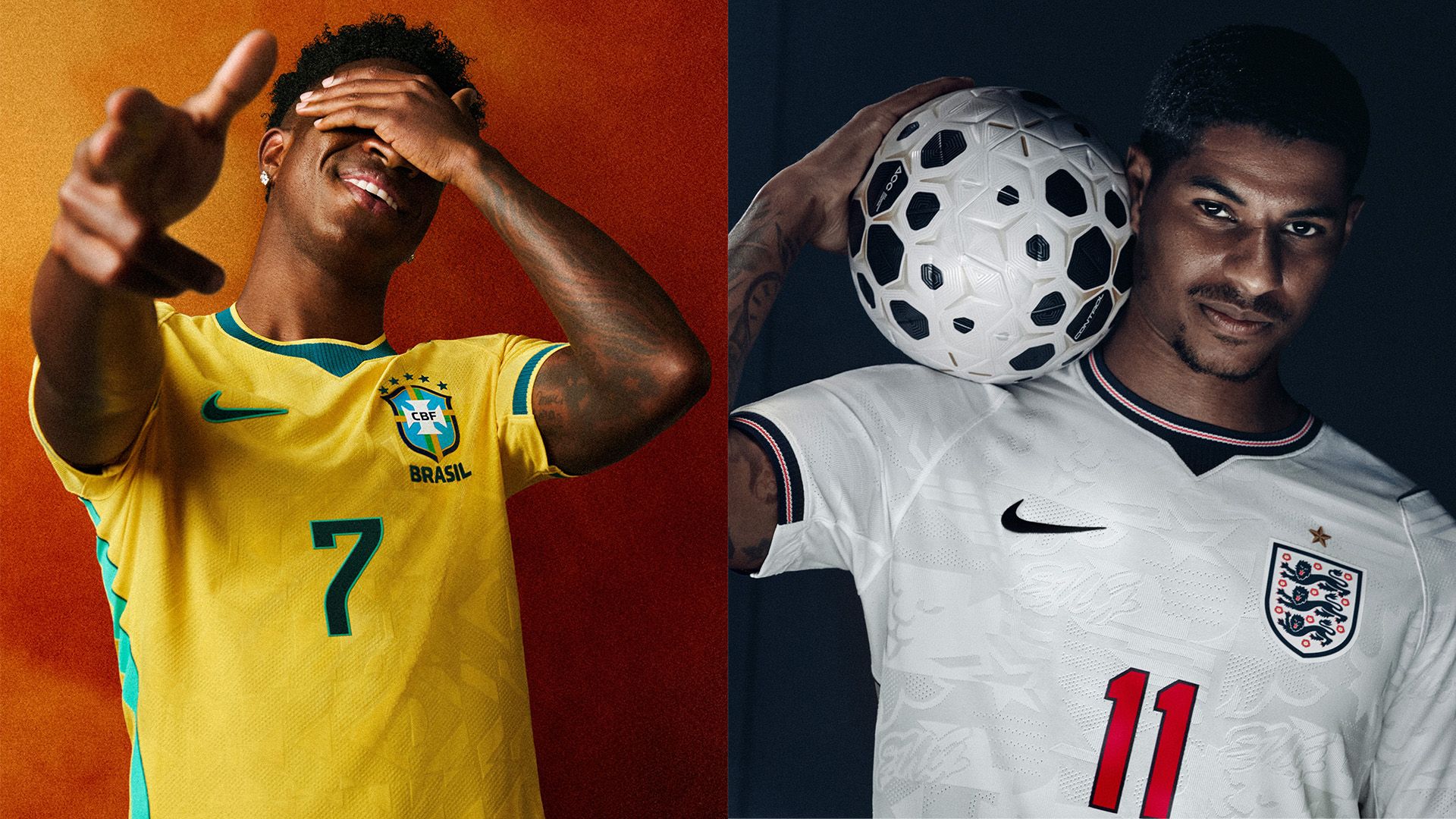
Photo: Goal.com
The commercial impact of the tournament is visible in the rapid turnover of stock and revenue spikes. In Jakarta, the hype began building two months before the kickoff. According to CNBC Indonesia, some Tanah Abang vendors saw turnover increase by more than 50%.
“This has been hyped since two months ago. Turnover has increased by more than 50%,”Anton, Jersey Vendor
The demand has been so aggressive that some vendors have completely exhausted their adult-sized inventory. This surge has also allowed some sellers to raise prices by 20,000 to 30,000 IDR as the tournament date approached.
There is also a notable geographic divide in purchasing patterns. Dini, a local jersey producer, observed that while the current hype is centered in the Jabodetabek area, buyers from Papua have historically been among the most consistent customers for football kits.
“Sales are still the same as the World Cup actually. So those who buy a lot are people from Papua, while in these weeks the hype is for the Jabodetabek area,”Dini, Local Jersey Vendor
For entrepreneurs like Septo Riza, the 2026 event is the culmination of a long-term hobby. Riza began collecting jerseys in 1996 and opened his business in 2011. He reports that national team jersey sales have increased three times over leading up to the 2026 event, echoing a similar frenzy he witnessed during the 2022 World Cup when prices for certain kits reached extreme levels.
As the tournament progresses, the market is expected to shift toward the teams that perform well in the group stages, potentially driving a second wave of demand for the kits of surprise contenders.