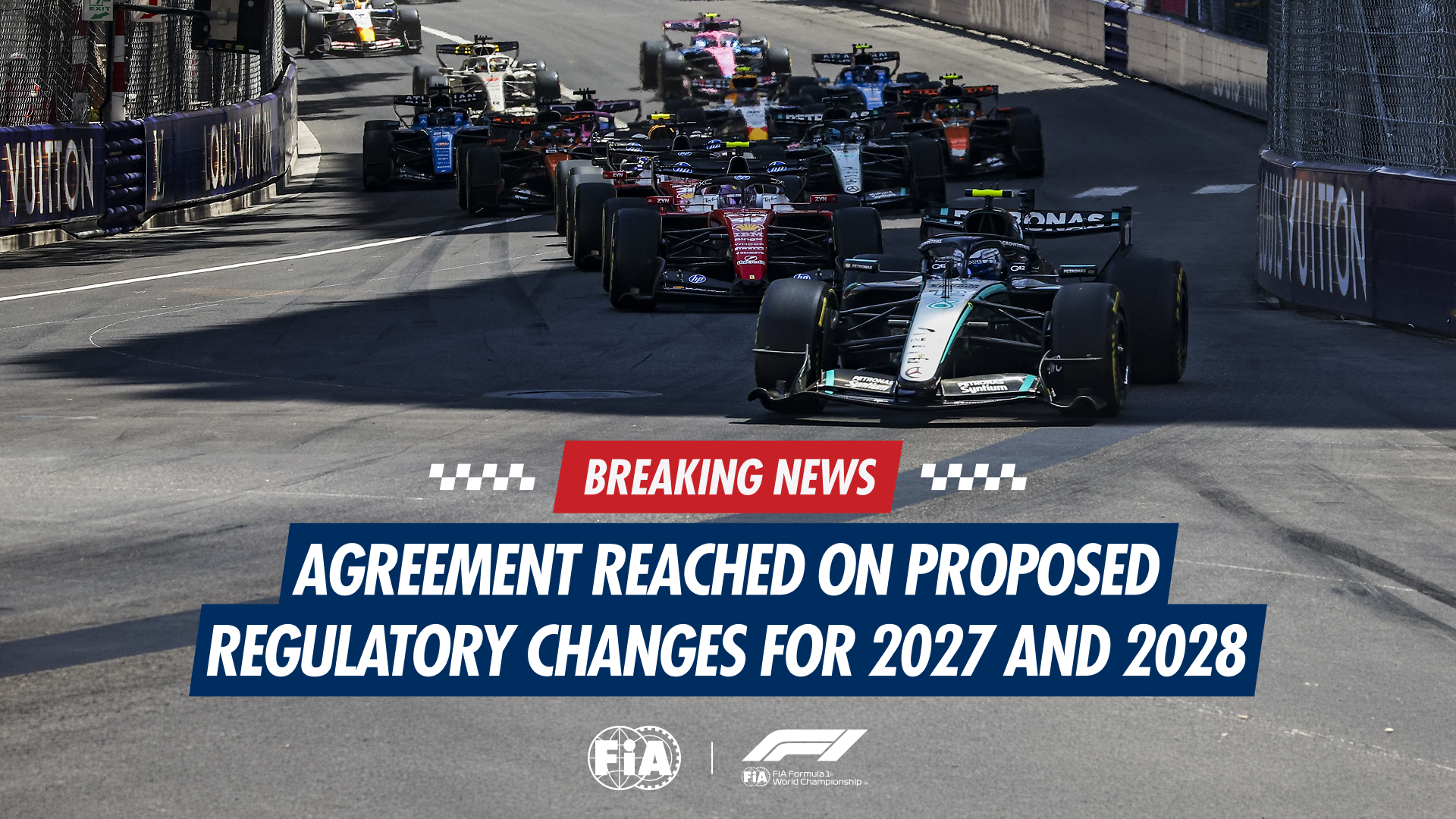
The FIA, Formula One Management, teams, and power unit manufacturers have agreed to a package of regulatory changes for the 2027 and 2028 seasons. The agreement, which targets energy management and fuel flow issues, will be submitted to the World Motor Sport Council for formal approval on June 23 in Macau.
The Technical Shift: Moving from a 50/50 Power Split
Photo: racingnews365.com
The current framework for the 2026 power units has faced heavy criticism for its energy management characteristics. According to a package of changes agreed upon by the FIA and stakeholders, the sport will implement a staged rebalancing of the Internal Combustion Engine (ICE) and Energy Recovery System (ERS) contributions throughout 2027 and 2028.
The primary objective is to eliminate the phenomenon where cars rapidly bleed electrical energy and suffer from clipping on long straights. To fix this, the proposal seeks to ditch the controversial 50/50 power split in favor of a 60/40 ratio. This transition involves increasing fuel flow and boosting the combustion engine output by 50kW.
These adjustments are designed to make Qualifying sessions more flat-out. The FIA, the governing body founded in 1904, intends to refine the framework to address operational challenges without sacrificing the racing quality generated by the 2026 regulations.
Audi’s Demand for Cost-Cap Stability
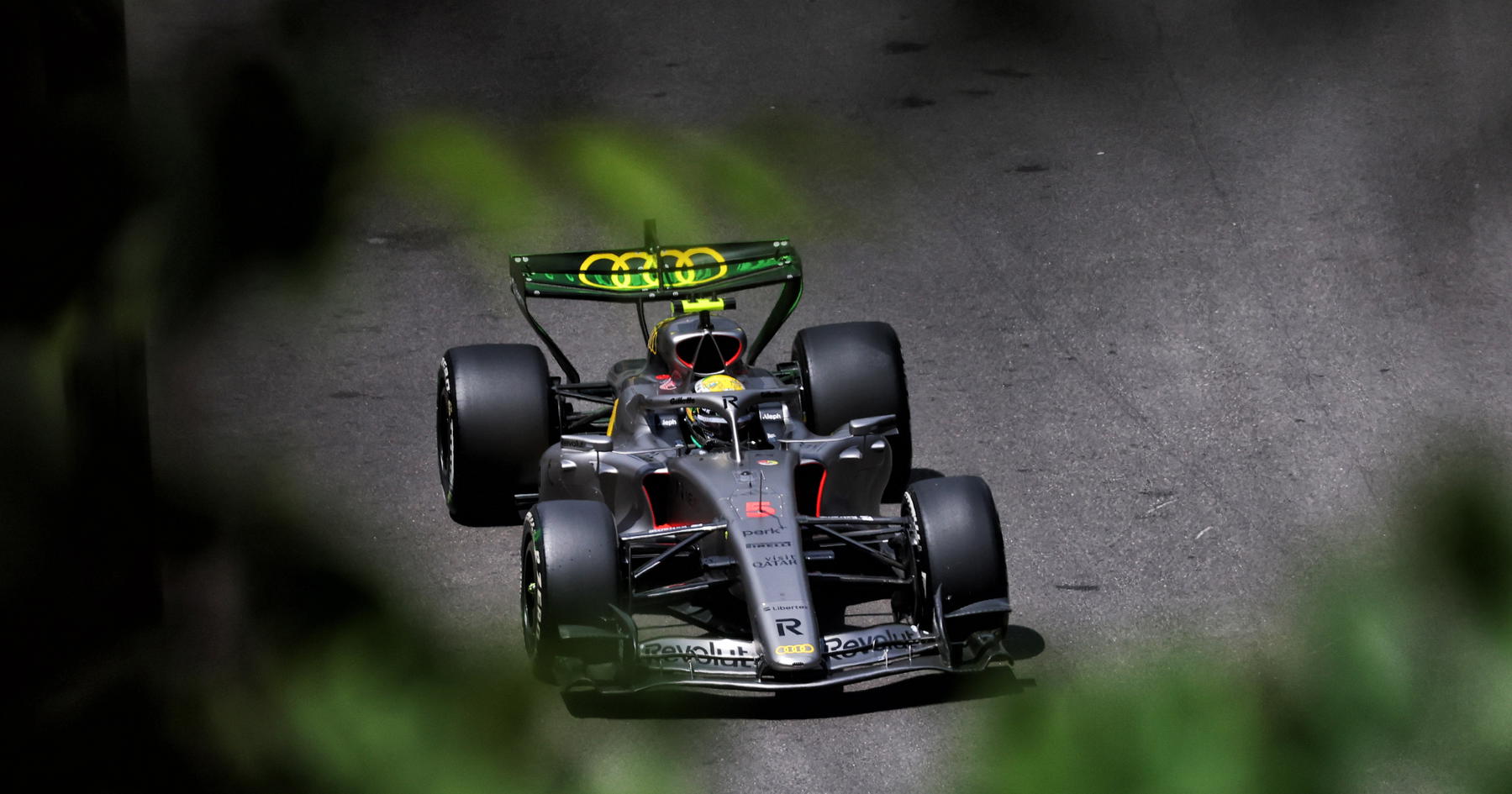
Photo: Federation Internationale de l'Automobile
While the governing body presents a unified front, the manufacturers are deeply divided over the timeline of these changes. Audi has emerged as a primary opponent of an immediate shift to the 60/40 split for the 2027 season.
“Our perspective really is to have stability there. That’s our clear view with entering new, this is one reason, and the other reason is that we have to be cost-efficient. That’s the most important aspect from our side, to have the cost cap in mind and to see.”
Gernot Dollner, CEO of Audi, via RacingNews365
Gernot Dollner argues that Audi’s innovation path is steeper because the company started from a lower baseline. For Audi, a sudden regulatory pivot would jeopardize cost-efficiency and exceed the capacity of its engineering department.
The stakes are high because of the voting structure: four of the five power unit manufacturers must agree for a regulation change to take effect from next season. If Audi and Ferrari remain opposed, the move to a 60/40 split for 2027 becomes nearly impossible.
The Political Gridlock: Honda and Cadillac’s Private Stance
Changes coming to SC tax return filing in 2027
The public agreement in principle masks what Yahoo Sports describes as a toxic political dumpster fire behind closed doors. A leak from Auto Motor und Sport suggests that the unified front is a fragile corporate charade.
Honda finds itself in a contradictory position. The Japanese manufacturer, which will launch an independent program with Aston Martin in 2026, reportedly lacks the time to optimize its current engine while simultaneously adapting a unit for 2027. Despite these technical fears, Honda executives voted in favor of the changes because their corporate culture prevents them from being viewed as party poopers.
The friction extends to the 11th team, Cadillac. While Cadillac will supply its own power units starting in 2029, it currently relies on Ferrari. Reporting indicates that Cadillac is politically backing Ferrari in these negotiations to maintain a subservient relationship with its Italian supplier, despite pressure to vote in the long-term interest of the sport.
Max Verstappen’s Ultimatums and the Driver Stakes
The technical deadlock has direct implications for the grid’s top talent. Max Verstappen has reportedly outlined a move to the 60/40 split as the bare minimum that must happen for him to remain in Formula 1.
Verstappen’s frustration stems from the same energy management issues facing the manufacturers. If the cars continue to clip on straights and lose electrical deployment, the competitive product suffers. However, the clash between driver demands and manufacturer feasibility creates a precarious situation for the sport’s biggest star.
Despite the tension, Audi’s leadership believes a compromise is possible. Dollner expressed confidence that a good solution will be found by 2027, though he remains firm on the need for stability.
The resolution of this conflict now rests with the World Motor Sport Council. The proposed changes—including the rebalancing of the ICE and ERS, fuel energy flow adjustments, and updated financial regulations—will be formally reviewed in Macau on June 23. The outcome will determine whether F1 fast-tracks its technical evolution or forces its stars and manufacturers to endure a flawed 50/50 split for another year.


.webp "Max Verstappen’s Ultimatums and the Driver Stakes")
