

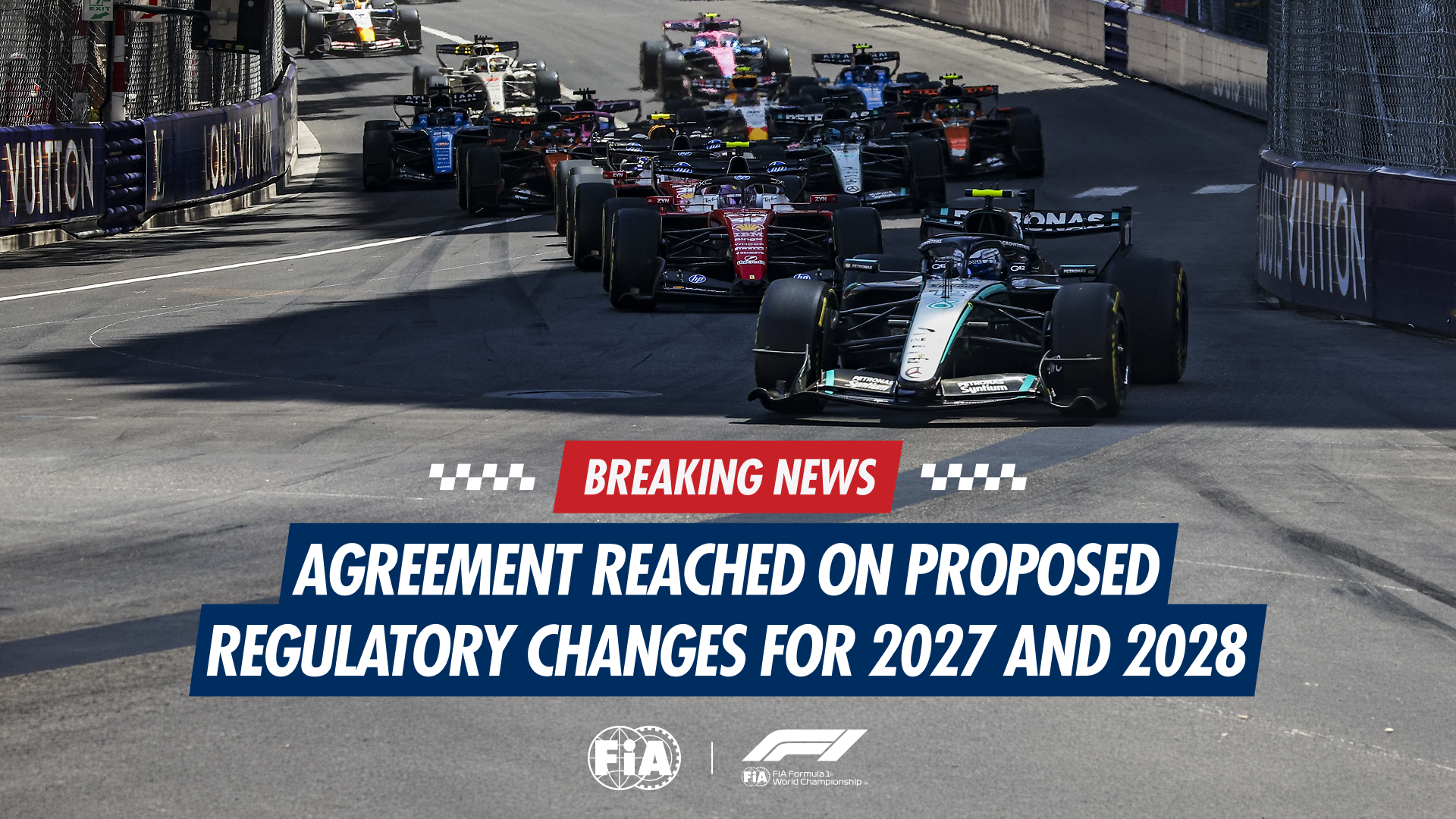
The FIA, Formula One Management, teams, and power unit manufacturers have agreed to a package of regulatory changes for the 2027 and 2028 seasons. The agreement, which targets energy management and fuel flow issues, will be submitted to the World Motor Sport Council for formal approval on June 23 in Macau.
The Technical Shift: Moving from a 50/50 Power Split
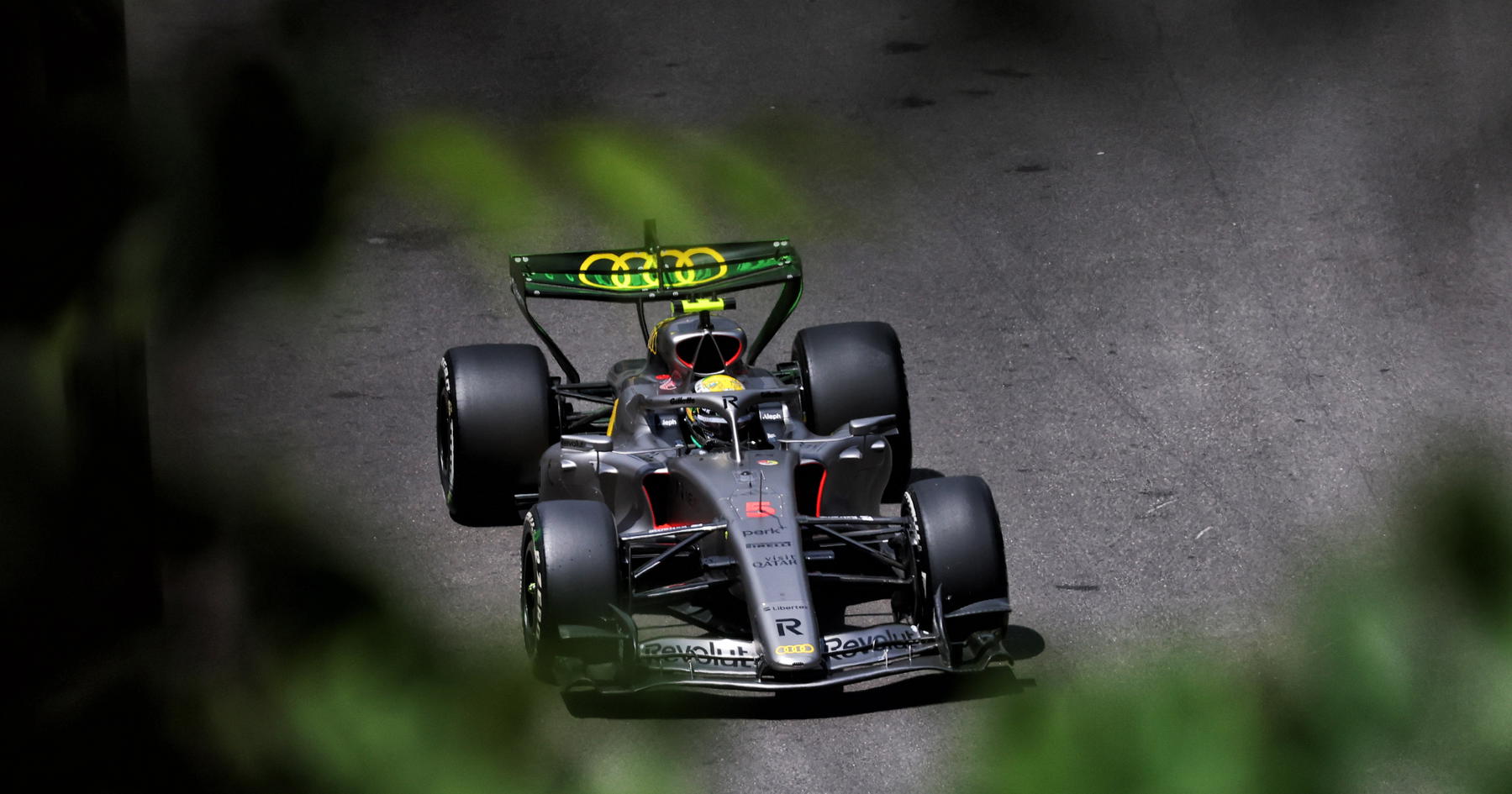
Audi’s Demand for Cost-Cap Stability
The Political Gridlock: Honda and Cadillac’s Private Stance
Max Verstappen’s Ultimatums and the Driver Stakes
The technical deadlock has direct implications for the grid’s top talent. Max Verstappen has reportedly outlined a move to the 60/40 split as the bare minimum that must happen for him to remain in Formula 1. Verstappen’s frustration stems from the same energy management issues facing the manufacturers. If the cars continue to clip on straights and lose electrical deployment, the competitive product suffers. However, the clash between driver demands and manufacturer feasibility creates a precarious situation for the sport’s biggest star. Despite the tension, Audi’s leadership believes a compromise is possible. Dollner expressed confidence that a good solution will be found by 2027, though he remains firm on the need for stability. The resolution of this conflict now rests with the World Motor Sport Council. The proposed changes—including the rebalancing of the ICE and ERS, fuel energy flow adjustments, and updated financial regulations—will be formally reviewed in Macau on June 23. The outcome will determine whether F1 fast-tracks its technical evolution or forces its stars and manufacturers to endure a flawed 50/50 split for another year.Find more reporting in our Sports section.
.webp "Max Verstappen’s Ultimatums and the Driver Stakes")