
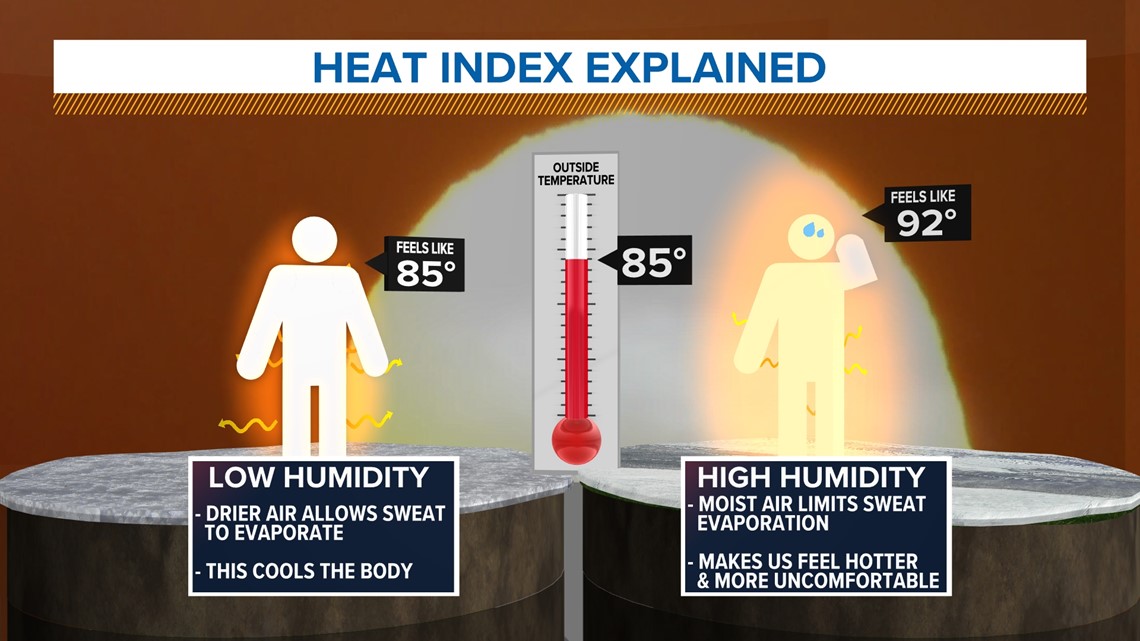
Delhi recorded a temperature of 43.5°C, but the apparent temperature felt significantly higher due to elevated humidity levels. This phenomenon, known as the heat index, occurs when moisture in the air inhibits the body’s ability to cool itself through sweat evaporation, increasing the physiological strain on residents.
The India Meteorological Department (IMD), the national agency responsible for monitoring weather patterns and issuing climate advisories across the country, plays a critical role in tracking these shifts. By analyzing real-time data on temperature and moisture, the IMD provides the framework for heatwave classifications, helping local authorities prepare for extreme temperature events.
How humidity drives the heat index
The heat index measures how hot it feels when relative humidity is combined with the air temperature. While the thermometer may read 43.5°C, the presence of water vapor in the atmosphere dictates the actual thermal stress experienced by the human body.
When humidity levels rise, the air becomes more saturated with moisture. This saturation reduces the rate at which liquid water can transition into a gaseous state. This vapor pressure gradient refers to the difference in moisture concentration between the skin and the surrounding air. When the air is already near its saturation point, the gradient is minimal, meaning there is little capacity for the air to accept additional moisture from the skin.
Because the body relies on the evaporation of sweat to release heat, a high-humidity environment effectively traps heat against the skin. The India Meteorological Department (IMD) uses these combined metrics to issue heatwave warnings, as the perceived temperature often exceeds the actual ambient temperature by several degrees.
The science of evaporative cooling and thermoregulation
Human thermoregulation depends heavily on latent heat of vaporization. As sweat evaporates from the skin, it absorbs thermal energy from the body, providing a cooling effect. In dry conditions, this process is efficient. However, when the air is already laden with moisture, the vapor pressure gradient between the skin and the atmosphere decreases.
As this gradient narrows, sweat stays on the skin rather than evaporating. This failure in the cooling mechanism causes the body’s core temperature to rise more rapidly. At an ambient temperature of 43.5°C, the body is already struggling to shed heat through convection because the surrounding air is nearly as warm as the body itself. Without effective evaporation, the risk of heat exhaustion increases.
To assist in this process, the body employs vasodilation. During vasodilation, blood vessels near the skin’s surface widen, allowing more blood to flow to the periphery to facilitate heat transfer from the core to the skin. This process, however, places an increased demand on the cardiovascular system, as the heart must work harder to maintain blood pressure while circulating blood to the skin’s surface.
Urban heat islands and radiant heat absorption
The physical environment in Delhi contributes to higher perceived temperatures through the urban heat island effect. Urban materials, such as concrete, asphalt, and brick, possess high thermal mass. These surfaces absorb solar radiation throughout the day and re-emit it as long-wave infrared radiation.
This absorption is heavily influenced by the albedo of urban surfaces—the measure of how much solar radiation a surface reflects. Darker materials like asphalt have low albedo, absorbing the majority of solar energy, whereas lighter surfaces or natural vegetation have higher albedo and reflect more heat. Additionally, the verticality of modern urban architecture can create “urban canyons,” where tall buildings restrict wind flow and trap heat between structures, preventing the natural convection that would otherwise help cool the environment.
This radiant heat adds a secondary layer of thermal stress. Even if a person is in the shade, they may still receive significant heat from the surrounding buildings and roads. This constant re-emission of energy prevents the local environment from cooling down effectively, even after the sun has begun to set. The combination of high ambient air temperature, moisture-driven heat index increases, and radiant heat from infrastructure creates a multi-layered thermal load.
Health implications of high apparent temperatures
Medical authorities monitor the heat index because it is a more accurate predictor of heat-related illnesses than air temperature alone. Occupational exposure is a significant factor in heat-related morbidity; individuals engaged in outdoor labor, such as construction workers and street vendors, face higher risks due to prolonged sun exposure and physical exertion. Maintaining electrolyte balance is also critical, as the loss of water through sweat also depletes essential salts like sodium and potassium.
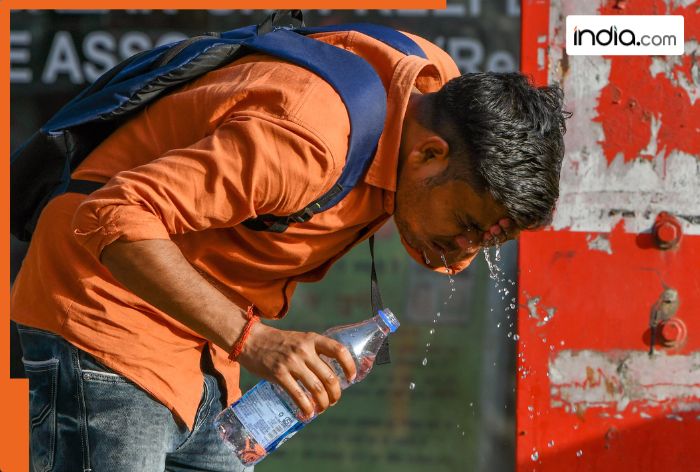
- Heat exhaustion: Characterized by heavy sweating, rapid pulse, and dizziness, occurring when the body loses excessive fluids and electrolytes.
- Heatstroke: A critical condition where the body’s thermoregulatory system fails entirely, causing the core temperature to rise above 40°C.
The IMD and health officials suggest that during periods where the heat index is significantly higher than the recorded 43.5°C, the risk of cardiovascular strain increases, particularly for vulnerable populations such as the elderly and those with pre-existing respiratory conditions.
Find more reporting in our Science section.
