

On May 31, 2026, a series of significant cultural and digital milestones unfold globally, from the 92nd anniversary of the Egyptian Radio’s inaugural broadcast to the massive movement of Hajj pilgrims toward Muzdalifah, alongside the ongoing complexities of managing digital identities in a 2.8 billion-user social media ecosystem.
The 92-year legacy of Egyptian broadcasting
The history of mass communication in the Arab world reached a major milestone today, marking 92 years since the official launch of Egyptian Radio. The station began its regular transmissions on May 31, 1934, establishing itself as a cornerstone of cultural and political life in the region.
Initially, the service operated through a collaboration with the British Marconi company, a partnership that lasted until 1947. At that point, the station underwent a process of Egyptianization, shifting all management and programming into local hands. This transition solidified the station’s role in shaping the collective consciousness of the Egyptian and wider Arab public.
The very first broadcast, which commenced at 5:30 PM, featured verses from the Quran recited by Sheikh Mohamed Rifaat. This moment was defined by the famous phrase, “Here is Cairo,” spoken by announcer Ahmed Salem, a slogan that became an enduring media icon. According to the 92nd anniversary of the Egyptian Radio, the inaugural night also featured legendary performers such as Umm Kulthum and Mohamed Abdel Wahab.
| Year | Milestone |
|---|---|
| 1934 | Official commencement of Egyptian Radio broadcasts |
| 1947 | Transition to full Egyptian management and program control |
Security and scale in the digital ecosystem
While traditional radio once defined connection, the modern era is dominated by massive digital networks. Facebook currently supports more than 2.8 billion monthly active users, providing a platform for sharing content, live streaming, and community engagement across more than 100 languages.
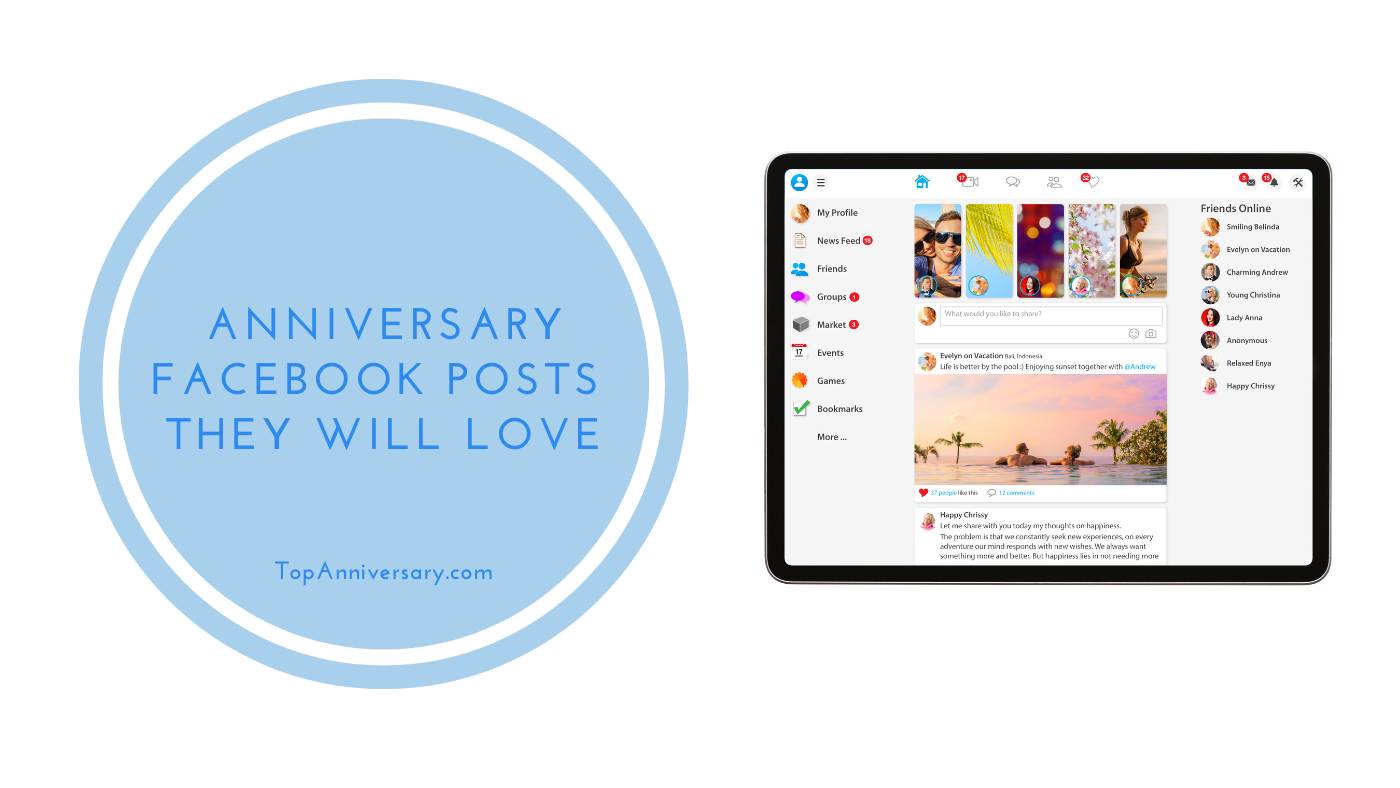
However, the sheer scale of these networks brings significant security challenges. Users looking to manage their accounts often encounter the “Did you forget your account?” prompt during recovery processes. Facebook applications for PC and smartphones offer various tools for privacy and security, including the ability to manage who can see profile information or block specific users.
Despite these tools, identity verification remains a point of friction. A user on a French community forum reported a significant hurdle, noting that their account was blocked because the system demanded a code via WhatsApp or two forms of identification. This difficulty highlights the broader complexities of professional information technology, which must balance user accessibility with the rigorous cybersecurity required to protect sensitive data.
- IT infrastructure, such as server and network management.
- Business software, including CRM and ERP systems.
- Cybersecurity protocols to defend against digital threats.
- Data management for the collection and analysis of strategic information.
The logistical complexity of the Hajj pilgrimage
Beyond the digital and broadcast spheres, massive human movements continue to test global logistical capabilities. Following the performance of the central rites of Hajj, millions of pilgrims have begun the transition from the plain of Arafat to the site of Muzdalifah.

This movement, characterized by a high degree of spiritual solemnity, requires intense coordination to ensure safety and order. As the movement of Hajj pilgrims from Arafat to Muzdalifah has been reported, the Egyptian Hajj mission confirmed that all Egyptian pilgrims are in good health. The mission is actively monitoring the situation and has deployed medical teams equipped to provide immediate care during the transit between the holy sites.
The success of such massive movements relies on the same principles of organization seen in the digital world: the need for reliable infrastructure, secure communication, and the constant management of large-scale data and human flow.
