

Escalating Debris Levels Following Holiday Crowds
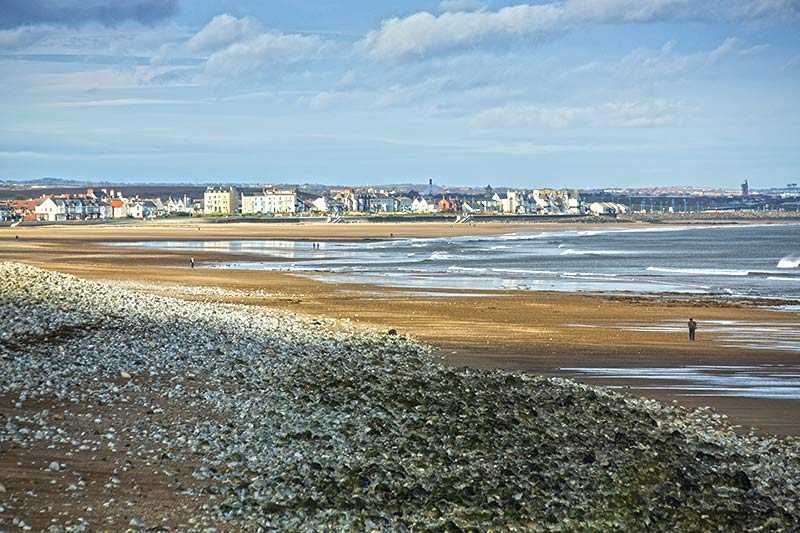
The volume of refuse left behind by visitors has reached a critical point, according to reports from the Bbc. Paul Granger, who visits the beach daily to walk his dog, stated that the amount of litter following the bank holiday was the worst he had ever witnessed. The surge in waste coincided with a recent spell of hot weather and the school holiday period, which Granger noted has made the rubbish an increasing problem.
The composition of the litter includes a variety of consumer goods and personal items. According to the Bbc, visitors abandoned disposable barbecues, towels, shoes, coats, and buckets and spades. On a Tuesday morning, Granger collected 44 glass bottles from the sand. He noted that he regularly removes glass because of the specific dangers these items pose to horses, dogs, and children. In other instances, Granger recalled finding abandoned rubbish that included a nappy.
It’s heartbreaking because you want the beach to be a tourist attraction but first impressions are going to put people off.
Paul Granger, local resident
Public Debate Over Bin Capacity and Personal Responsibility

The incident highlights a disconnect between visitor volume and waste disposal capacity. According to the Bbc, council bins were overflowing during the holiday period. This observation was echoed by members of the public in a BBC Tees Facebook post. One user, Lisa Lawson, stated that every single bin was overflowing on Monday, while Chris McDermott claimed all bins along the seafront were in a similar state.
Public discourse on the BBC Tees post suggests a divide in perceived solutions. Some residents argued that the current infrastructure is insufficient; Nev Johnston suggested the use of Biffa bins on weekends and busy days, stating the existing bins aren’t big enough. Similarly, Pauline Keating Marsh argued that larger and more numerous bins would remove the excuse for littering. Conversely, other residents, such as Zuber Hanif, questioned why visitors who bring carrier bags full of food and drink are unable to use those same bags to take their rubbish home.
Police Prioritization of Anti-Social Conduct
The littering crisis at Seaton Carew aligns with broader regional concerns regarding public conduct. Cleveland Police have unveiled an anti-social behaviour (ASB) action plan for the region. According to the Bbc, the police stated that addressing ASB is top of our list of priorities because it’s top of the list of priorities for local people.
The pervasive nature of the problem is reflected in local sentiment. On the BBC Tees post, resident Kevin Dryden claimed that leaving rubbish behind is a common occurrence in car parks and parks, citing examples of people throwing McDonald’s packaging or cola bottles on the ground before driving away.
Long-term Ecological and Tourism Consequences
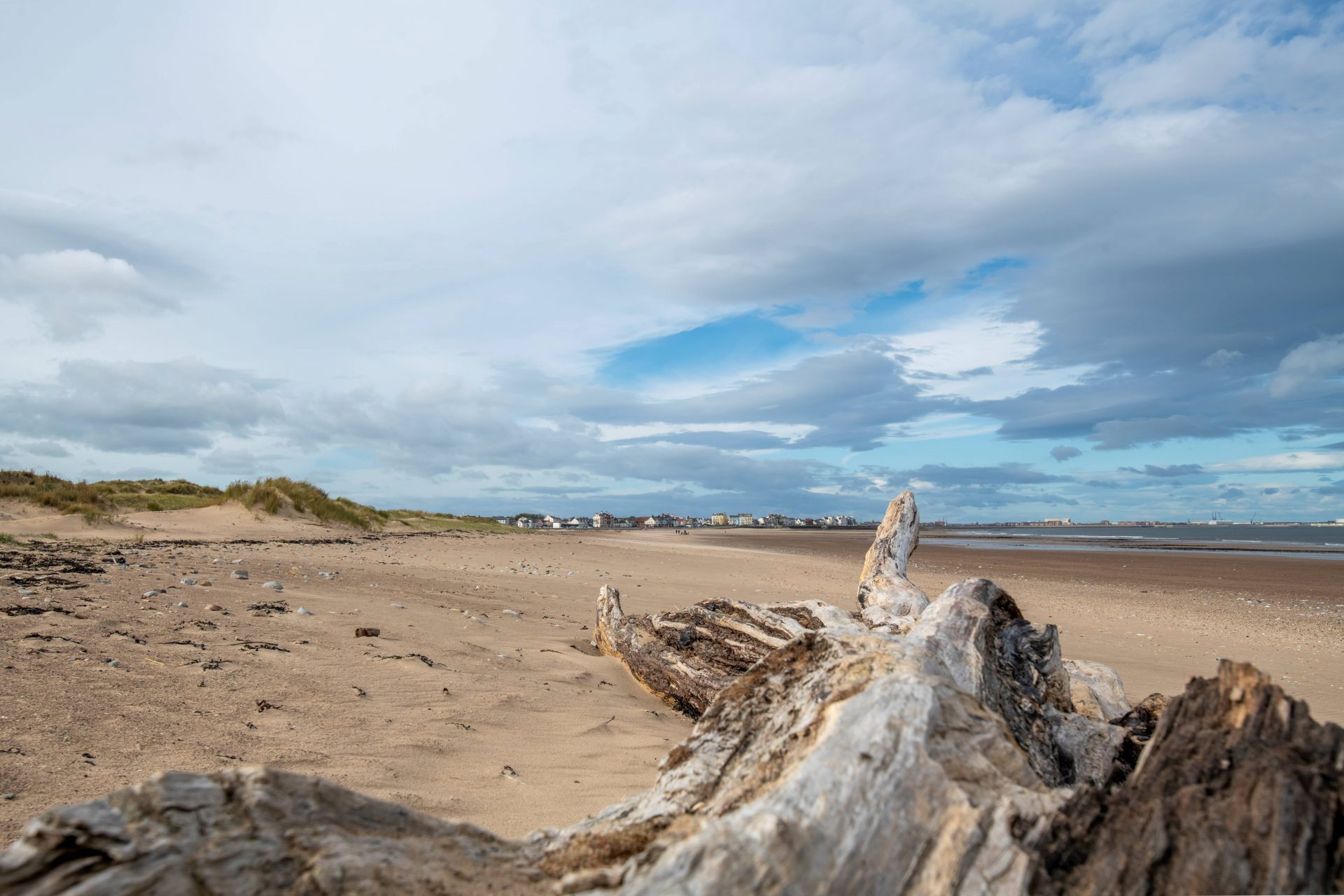
The persistence of litter on the beach creates a conflict between the area’s role as a tourist destination and its environmental health. Granger called on visitors to treat the beach with respect, noting that while carrier bags are often provided for people to fill with rubbish, they are not always utilized.
The accumulation of non-biodegradable materials, such as plastics and glass, poses a long-term risk to the coastal ecosystem and public safety. The immediate impact, however, is the degradation of the site’s appeal. As reported by the Bbc, there is a significant concern that the poor first impressions created by the litter will deter future tourism in the Hartlepool area.
