Ukrainian combat capabilities have undergone a profound transformation, evolving from post-Soviet remnants into a sophisticated network of specialized brigades capable of high-precision operations. This structural evolution, centered on approximately 110 distinct combat units, now drives the country’s ability to target enemy logistics and specific military formations.
The 110-Unit Brigade Structure
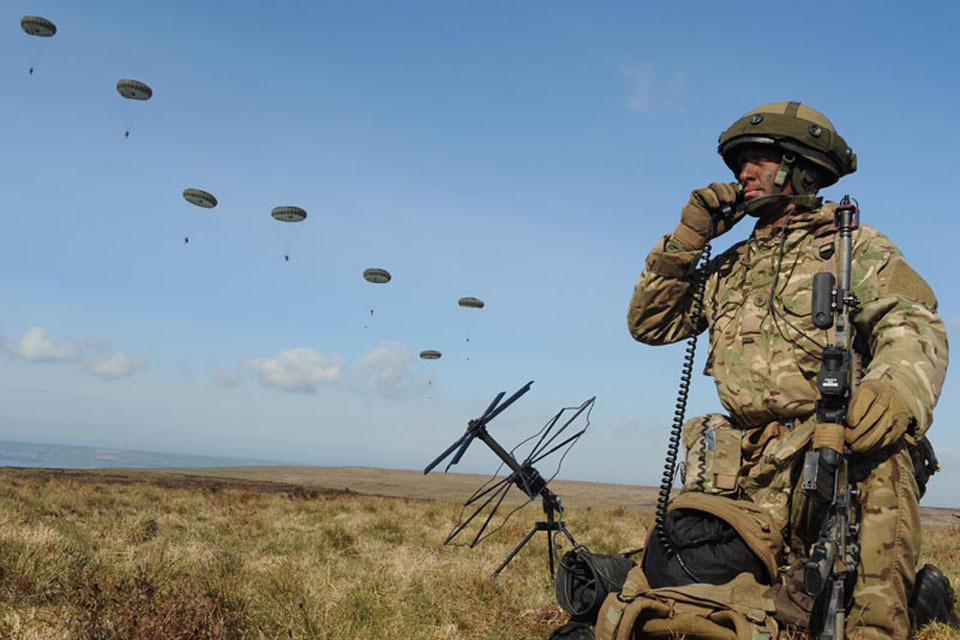
Specialized Brigades Assault and Airborne-Assault Formations
The modern Armed Forces of Ukraine (ZSU) operate through a complex, tiered system of specialized units that have moved far beyond the static models of the past. As of March 2026, the military is composed of roughly 110 combat units, ranging from mechanized forces to rapid-response assault elements. This organizational depth allows for a highly flexible response to changing battlefield conditions, providing the scale necessary to maintain defensive lines while simultaneously preparing for offensive maneuvers.
According to detailed structural overviews of the ZSU brigades, these units are no longer just numbered designations on a map. Instead, they function as integrated components of a larger corps structure, designed to operate with both individual autonomy and collective coordination. This shift has been essential for managing the high intensity of modern warfare, where specialized roles—such as drone operations, electronic warfare, and rapid assault—are required at the brigade level.
Mechanized and motorized infantry units
Assault and airborne-assault formations
Specialized drone and unmanned systems units
Logistics and support services
Evolution from Soviet-Era Formations
Specialized Brigades Soviet
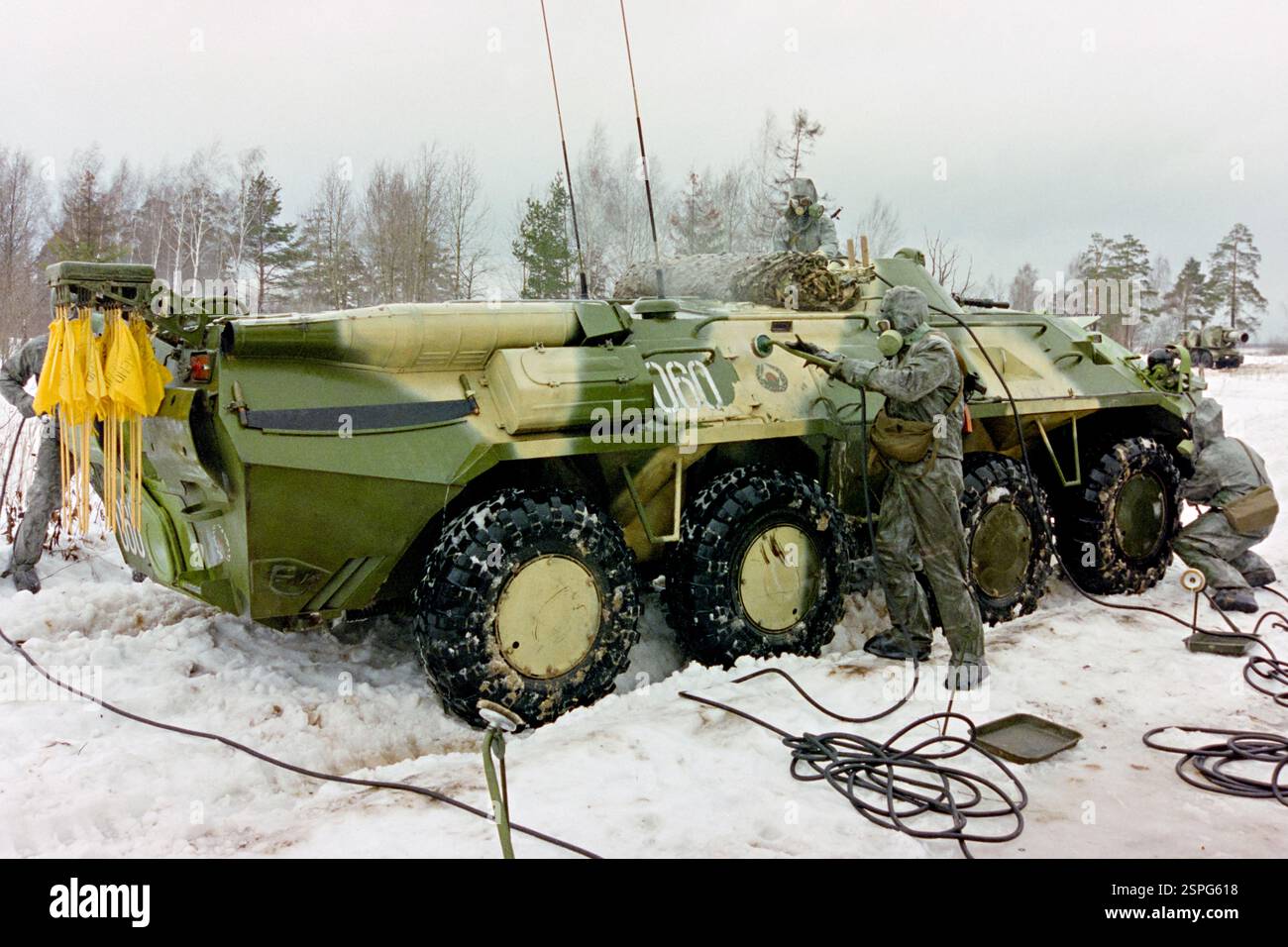
The current state of the ZSU is the result of a multi-decade transition. In the 1990s, the military functioned primarily as a collection of reduced Soviet-era divisions, often consisting of aging equipment and rigid command hierarchies. The turning point arrived with the 2014 reforms, which forced a rapid restructuring following the annexation of Crimea and the onset of conflict in eastern Ukraine.
This period of reform saw the emergence of legendary units that have since become symbols of national resilience. These formations were often built through a combination of reorganized existing personnel and the integration of volunteer-led initiatives. Notable examples of these established units include:
The 24th Brigade, named after King Danylo
The 72nd Brigade, known as the Black Zaporozhians
The 93rd Brigade, known as Kholodnyi Yar
By moving away from the heavy, division-based Soviet legacy, Ukraine has developed a more agile force. This agility is what enables the military to conduct the kind of precision strikes that target specific enemy units, including those historically linked to occupation atrocities, by utilizing highly specialized drone and intelligence-driven brigades.
Operational Reporting and Battlefield Dynamics
cluster (priority): duflu.org.ua
The nature of the conflict is reflected in the constant stream of operational updates regarding frontline movements and technical engagements. Reporting on the current situation often focuses on several critical areas of combat, including the destruction of enemy fortifications, the neutralization of logistics hubs, and the effectiveness of air defense systems.
As Espreso reports on the latest ZSU news, the focus remains heavily on the destruction of Russian equipment, warehouses, and bridges. This includes the continuous monitoring of air defense (PPO) performance and the multi-layered protection of urban centers and energy infrastructure. The ability to track these developments in real-time is vital for understanding the efficacy of the ZSU’s counter-offensive and defensive strategies.
Furthermore, ZSU updates from Ukrinform highlight the ongoing importance of maintaining visibility on the various directions of the front. This includes monitoring the destruction of enemy logistics and the security of critical infrastructure, which are central to the ZSU’s ability to sustain long-term operations.
cluster (priority): espreso.tv
The convergence of specialized drone units and the modernized brigade structure has fundamentally changed the math of the battlefield. When a military can deploy a unit specifically trained for deep-strike drone operations, it can bypass traditional frontlines to strike command posts and supply depots deep in enemy territory.
This capability is not merely a tactical advantage; it is a strategic necessity. By targeting the specific units responsible for previous atrocities or those essential to the enemy’s logistical tail, the ZSU can degrade the enemy’s ability to sustain high-intensity combat. The transition from a defensive, post-Soviet army to a proactive, specialized force is now complete, setting the stage for a period of warfare defined by precision, rapid movement, and technological integration.