

India’s Chief Economic Advisor, V. Anantha Nageswaran, has stated that Computer Science and MBA degrees have become outdated. Nageswaran, who took charge on January 28, 2022, raised these concerns regarding the current job market and the shifting value of traditional academic credentials, according to reporting from Loksatta.
The devaluation of Computer Science and MBA degrees
The assertion that traditional high-value degrees are losing their edge comes at a time of significant volatility in the global labor market. Nageswaran suggests that the standard curricula for Computer Science and Master of Business Administration programs no longer align with the needs of modern employers.
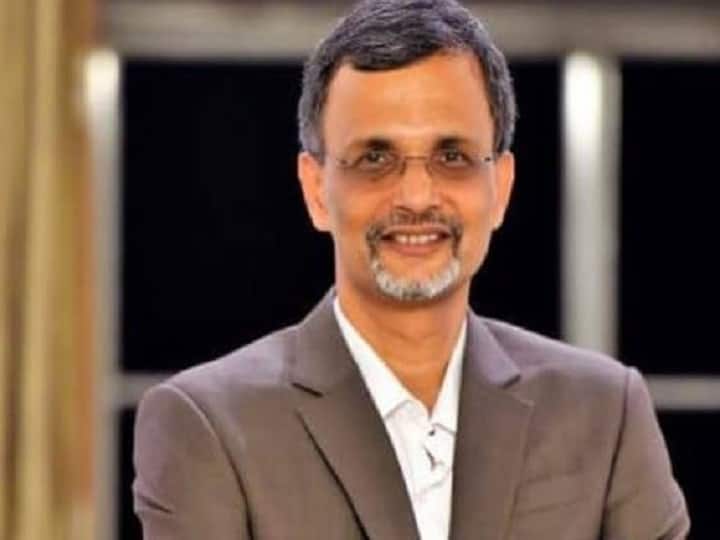
This shift is largely driven by the rapid evolution of the job market, where specific technical skills and adaptability often outweigh a formal degree. The emergence of generative artificial intelligence has fundamentally altered the baseline requirements for technical roles. In computer science, the ability to write basic code is increasingly automated, shifting the value from syntax knowledge to system architecture and AI orchestration. Similarly, the traditional MBA focus on general management is being challenged by a demand for specialized data literacy and agile decision-making capabilities.

For students and professionals, this implies a move away from reliance on institutional certification toward continuous, skill-based learning. This transition reflects a broader global trend where “micro-credentialing” and industry-recognized certifications are becoming as critical as, or more critical than, a multi-year degree program.
The irony of this position is not lost when viewed against the advisor’s own credentials. Nageswaran himself holds an MBA, which he earned in 1985. The fact that a top economic official is now flagging the obsolescence of the very degree he holds signals a profound transition in how India views professional qualification.
Academic and professional history of the Chief Economic Advisor
Nageswaran’s appointment to the role of Chief Economic Advisor followed a period of vacancy after K.V. Subramanian’s term ended in December 2021. According to ABP Live, the Ministry of Finance confirmed his appointment and assumption of charge on January 28, 2022.
The role of the Chief Economic Advisor (CEA) is a pivotal position within the Indian government. The CEA serves as the primary economic advisor to the Ministry of Finance and is responsible for producing the annual Economic Survey of India, a comprehensive document that analyzes the economy’s performance and provides the intellectual framework for the upcoming Union Budget.
Nageswaran’s background combines academic rigor with international financial experience. He earned his MBA from the Indian Institute of Management Ahmedabad in 1985 and completed a doctorate at the University of Massachusetts Amherst.
His professional trajectory includes several high-level roles:
- Investment officer at Julius Baer & Company in Singapore.
- Dean at the IFMR Graduate School of Business from 2018 to 2019.
- Part-time professor of economics at Krea University.
- Member of the Prime Minister’s Economic Advisory Council between 2019 and 2021.
This blend of private sector investment and public sector advisory roles positions Nageswaran to analyze the disconnect between academic output and market demand. His experience in both the academic administration of a business school and the high-stakes environment of international investment allows him to identify where educational curricula are failing to keep pace with industry requirements.
Unemployment and investment targets for the Indian economy
While degree obsolescence is a critical micro-issue, Nageswaran faces broader macroeconomic challenges. As reported by TV9 Marathi, unemployment remains one of the most serious problems facing the Indian government.
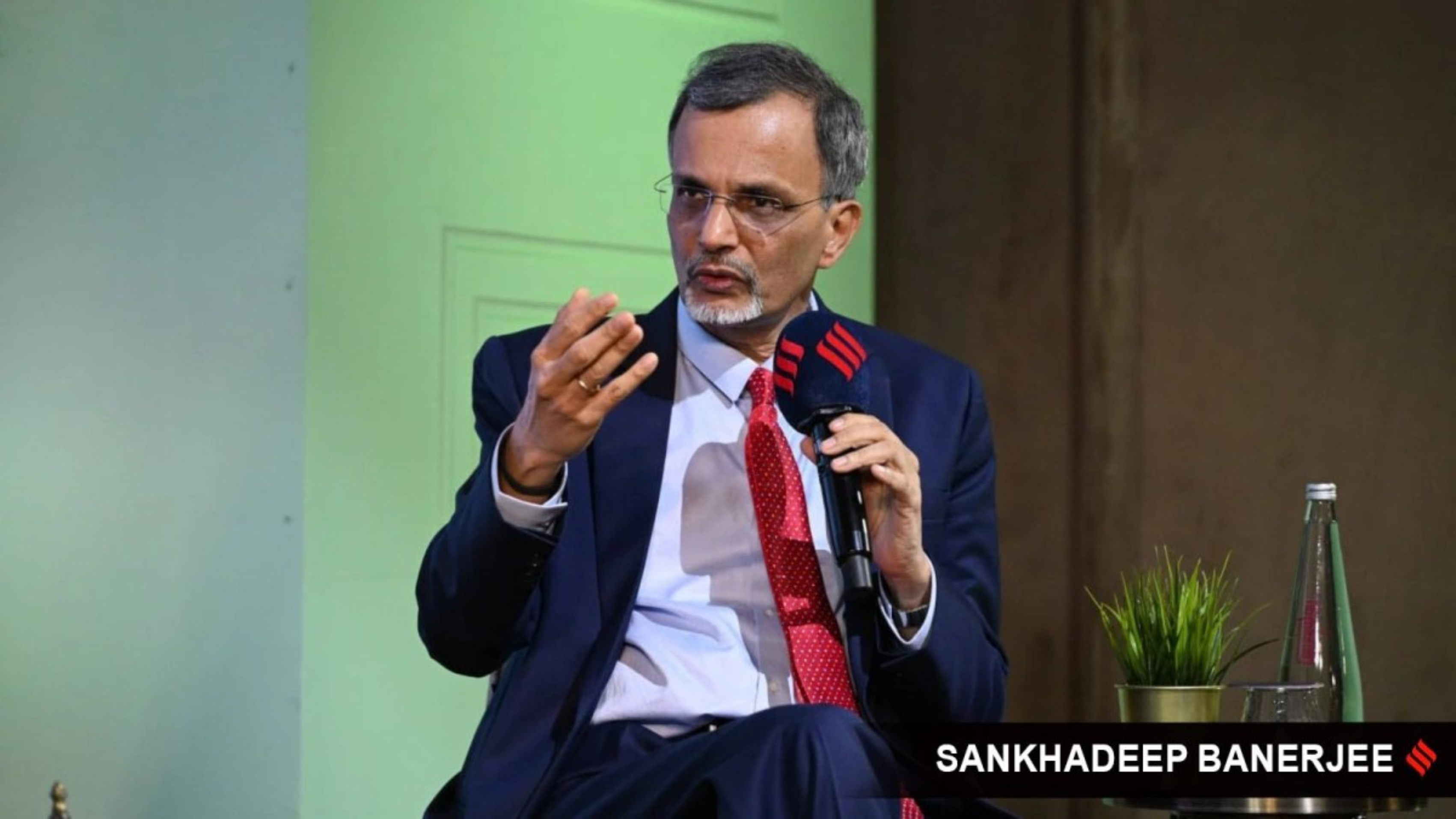
India’s economy currently ranks as the third largest in the world. Despite maintaining resilience through the pandemic, the government is now tasked with reviving investment and addressing gaps in the national budget to sustain high growth. This objective is part of a larger national goal to transition India into a developed economy, often referred to as “Viksit Bharat,” by 2047.
A significant hurdle in this journey is the “employability gap.” This phenomenon occurs when graduates possess the required degrees but lack the practical, industry-ready skills needed to perform in professional roles. When the CEA suggests that degrees are outdated, he is addressing a structural failure where the education system produces candidates who are technically qualified on paper but functionally obsolete in practice.
The challenge for the Chief Economic Advisor is to synchronize economic policy with a workforce that is increasingly underqualified for the roles available. If traditional degrees are indeed outdated, the government must find new ways to bridge the gap between education and employment to combat rising unemployment. This may involve integrating vocational training, promoting industry-academia partnerships, and encouraging a culture of lifelong learning.
The next phase of India’s economic strategy will likely depend on how the administration handles this transition. The focus is shifting toward creating a robust economy that does not rely on outdated educational models but instead fosters high-growth industries and new investment patterns, ensuring that the labor force can adapt as quickly as the technology they use.
Find more reporting in our Technology section.
