

On December 22, many major Chinese news sites simultaneously reported on the case of brothers Dai Duong – Tieu Duong, the most famous twins on this country’s social networks, being accused of selling goods that did not ensure quality. .
Specifically, the beef roll brand from Hubei that the two brothers sold on livestream was asked to be returned by customers because the quality was not as advertised. The rolled beef bag priced at 89.9 yuan (about 300,000 VND) is advertised as being made entirely from beef, but the taste is like synthetic meat, Red Star News reported.
Some bloggers calculate that the bag of synthetic meat the Duong brothers sell has a cost price of only about 10 yuan, a value far different from the original beef.
Currently, all of these beef products have been removed from the cart. The company representative of the Duong brothers said that deleting the product was to avoid losses for the company, because there were too many customers demanding returns and refunds. Meanwhile, the origin and quality of this product have not been clarified.
The case of the pair of online stars made many customers feel betrayed, once again sparking controversy about the deception of KOLs, KOCs, and online sales stars.
In fact, there are many people who rely on popularity to convert to sales, but accept money to advertise regardless, even praising the product without experiencing or checking the quality.
Cheating customers
Theo Reuters, The livestream industry is worth it 480 billion USD of China is like a fragrant piece of cake that everyone wants to compete for.
Sales from livestream sales activities on major e-commerce platforms in this country in the first 6 months of this year amounted to 1,270 billion yuan (about 176.9 billion USD), according to data published on September 29.
Dai Duong – Tieu Duong is one of the most popular KOCs in China, owning the first personal account to reach 100 million followers on Douyin, China’s version of TikTok.
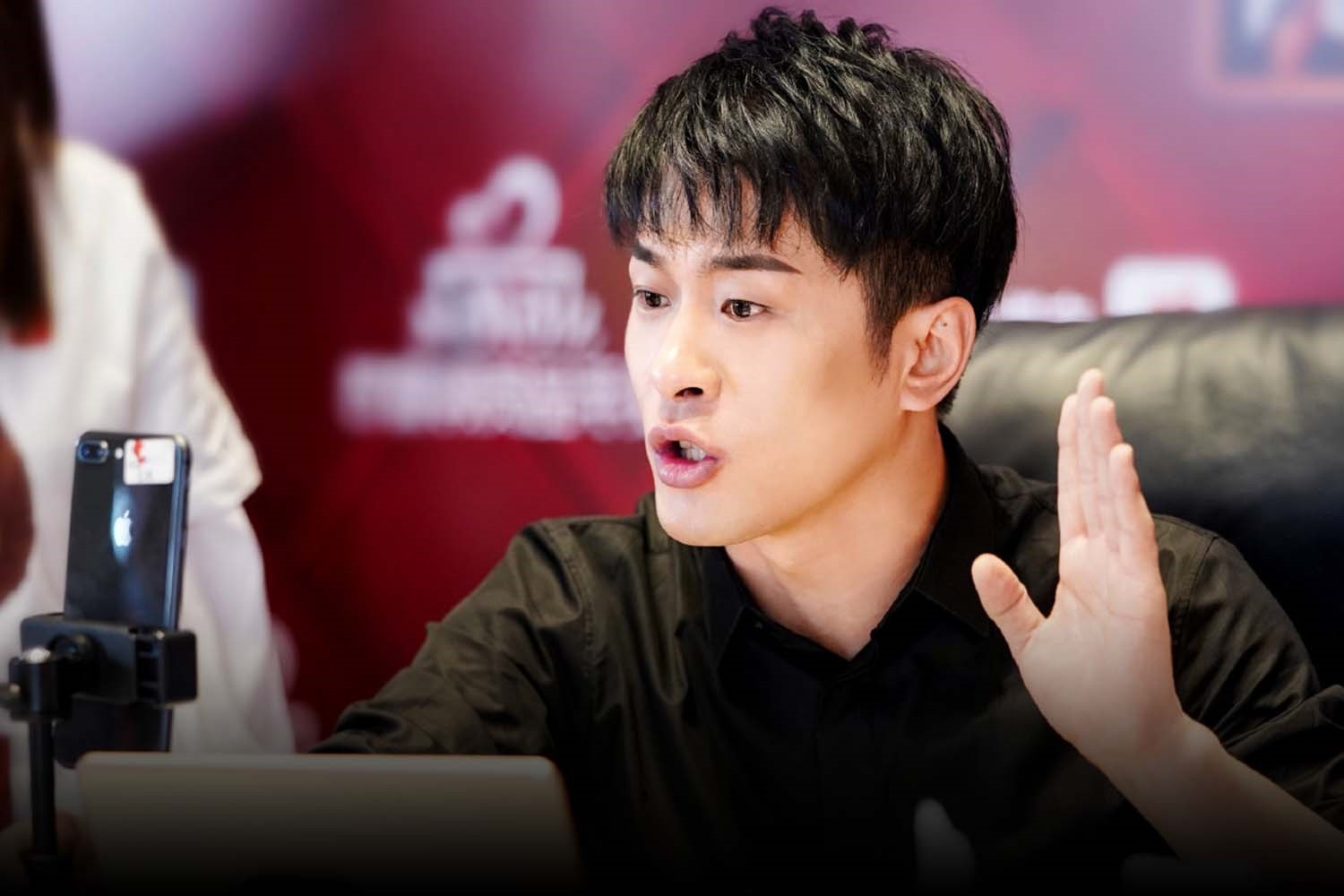
Brothers Dai Duong – Tieu Duong are the most famous livestream sales stars in China.
Great influence has helped the brothers make a lot of money through advertising and livestream sales. The Duong brothers shocked netizens when they revealed that their tax payment last year was 200 million yuan (nearly 700 billion VND).
Initially, when they first started livestreaming sales, the two of them made viewers trust them by giving honest reviews about the products, even criticizing the products they sold on live broadcast, and taking on any challenge the audience posed. given to test the item.
According to industry statistics, in the first 6 months of 2022, the Duong brothers held 76 live sales sessions, bringing in revenue of 336 million yuan (47 million USD).
However, as their popularity and sales increased, the quality of the products these two sales stars offered made people question them. This is not the first time the two brothers have been exposed for selling poor quality products.
Theo Swamp, there were many problems in product selection during the direct sales session of Dai Duong brothers. Some suppliers of goods to this company have been ordered to rectify by the Market Surveillance Department.
In November 2022, Wang Hai, a famous anti-counterfeiting expert, denounced the wall drill and meat grinder sold during Dai Duong’s live session as fake goods. That product is eventually removed from the cart.
In February this year, a product called “Youshang Special Moisturizing and Soothing Cream for Babies and Children” that Tieu Duong sold on livestream was considered by the Hangzhou Hi-Tech Park City Supervision Bureau as “” advertising with false content”. The company that owns the product is also subject to administrative sanctions.
On a website specializing in recording customer complaints, complaints about Dai Duong brothers’ products are also increasing. The scandals caused the couple’s reputation and revenue to decline.
Fame becomes scandal
More and more young people in China want to build personal brands so they can move into sales and make huge amounts of money. A survey of more than 10,000 young people on the social networking platform Weibo in July this year showed that more than 60% wanted to become an Internet influencer or livestream host.
However, there are many famous stars who disappoint customers through careless advertising, sales, and lack of quality control.
Xinba – China’s livestream king – has to pay a heavy price for selling fake goods.
In 2020, Xinba (real name: Tan Huu Chi), a famous livestream “god of war” on the Kuaishou platform, was involved in a counterfeit goods scandal when selling bird’s nest products at low prices. 2,6 USD (about 70,000 VND) for 100 grams. This is a cheap price compared to the market.
Theo South China Morning Post, after testing, the product sold by Xinba was determined not to be bird’s nest but just carbohydrates and sugar. For this violation, Xinba was fined 138.000 USD (equivalent 3.2 billion VND), and had his account with more than 70 million followers locked within 60 days.
Xinba then publicly apologized and offered to compensate the buyer three times the order value, according to regulations on consumer protection in China.
Vy A, who was once known as the “livestream queen”, has also been involved in false advertising scandals many times.

Vy A has repeatedly been caught up in selling low-quality products and false advertising.
Embarking on the path of livestream sales since 2016, Vy A quickly emerged with the ability to sell everything on live broadcast, once “closing an order” for a price rocket. 5.6 million USD.
She is trusted by customers because she always introduces quality products at the lowest prices on the market.
However, in May 2021, she was involved in a scandal selling fake goods. During a live session, she introduced the fan, saying it was a collaborative product between Guzi, a Chinese brand, and the American brand Supreme. The next day, a blogger exposed the scandal, asserting that Guzi was a small brand and had no cooperation. Vy A then had to refund the customer who had purchased and delete the video.
By September of the same year, the “livestream queen” continued to be accused of selling poor quality bread. She advertises this as a sugar-free, low-fat cake that is good for health and does not cause weight gain.
But the Shanghai Municipal Consumer Protection Committee later issued a public document disclosing false information about this type of bread: nutritional ingredients did not match the information on the packaging and high calories. than normal.
Both the bread brand and Vy A were called for a boycott.
Faced with false advertising, Chinese officials warn livestream sellers to ensure strict control of product quality, improve supply chain efficiency, and provide services. more diverse and suitable for customers.
Since 2021, Douyin has had stricter policies, not allowing livestream sellers to say exaggerated words to advertise products, according to Global Times.
