

A South Korean court on Tuesday, May 26, 2026, ordered the arrest of Kim Se-yeol, CEO of Garoseoro Research Institute, on charges of spreading false information and defaming actor Kim Soo-hyun. The decision follows a year of investigation into allegations that Kim Se-yeol used AI to manipulate audio and fabricate claims about the late actor Kim Sae-ron and her relationship with Kim Soo-hyun.
The Legal Justification for Kim Se-yeol’s Arrest and the Allegations Against Him
The arrest of Kim Se-yeol marks a rare legal intervention in a high-profile online dispute that has drawn public attention to the use of AI in spreading disinformation. According to both 연합뉴스TV and Daum News, the court cited concerns over evidence destruction and flight risk as justification for the arrest. Kim Se-yeol is accused of disseminating false claims on YouTube, including allegations that Kim Soo-hyun had a relationship with Kim Sae-ron while she was a minor, and that Kim Soo-hyun’s financial pressure contributed to Kim Sae-ron’s death. The charges also include using AI to alter Kim Sae-ron’s voice, further damaging Kim Soo-hyun’s reputation.
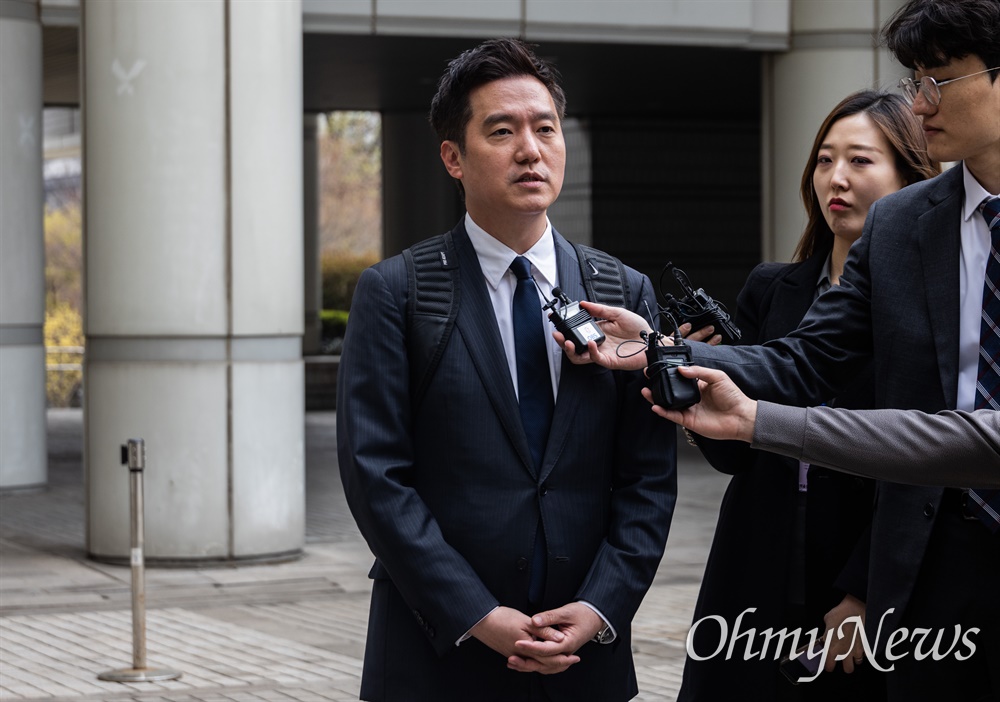
The court’s decision underscores the growing legal scrutiny of AI-generated content, particularly when it is used to distort facts and harm individuals’ reputations. While the specifics of Kim Sae-ron’s death remain a sensitive topic, the allegations against Kim Se-yeol revolve around the deliberate spread of unverified and fabricated information. The case raises questions about how platforms like YouTube handle such content and whether existing regulations are sufficient to curb the misuse of AI in public discourse.
Kim Se-yeol’s Defense and the Broader Implications of AI-Generated Disinformation
Kim Se-yeol, who appeared before the court on Tuesday, denied all allegations, calling the arrest warrant "groundless." He claimed that his actions were not criminal but rather an attempt to bring attention to what he believed were injustices. However, prosecutors have maintained that Kim Se-yeol knowingly spread false information to gain public interest, a claim supported by a year-long investigation.
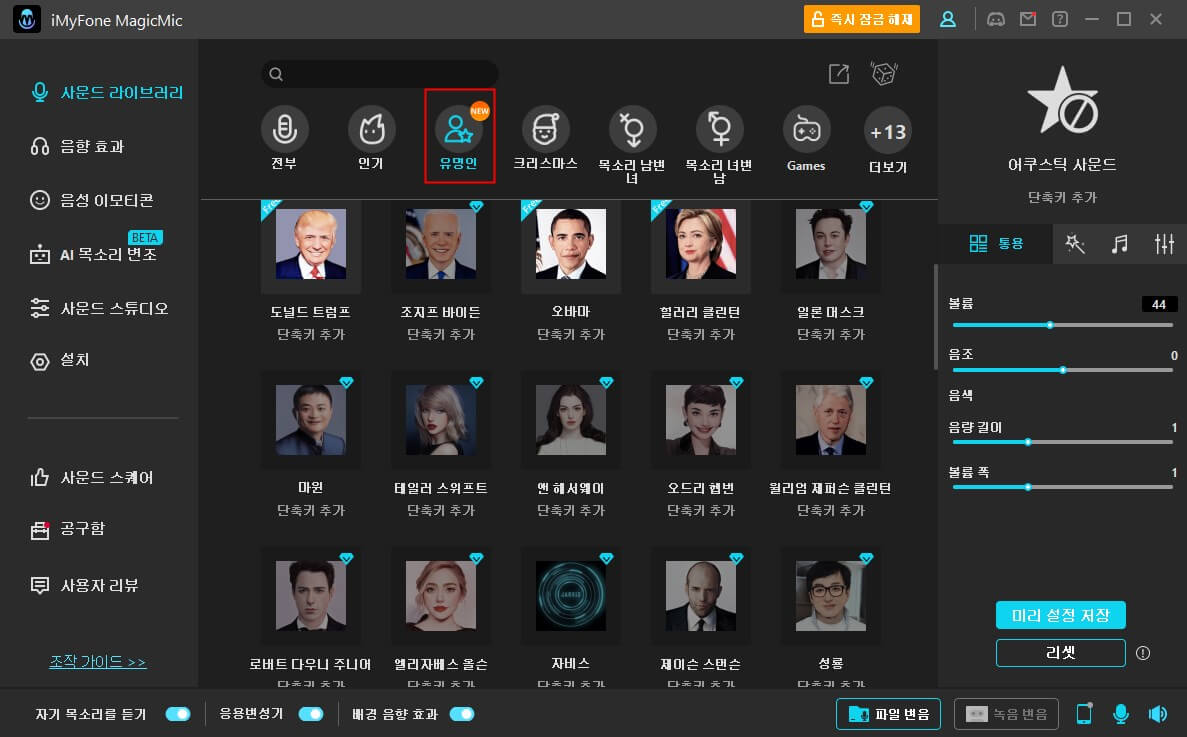
This case is not an isolated incident but part of a broader trend where AI tools are increasingly used to create and disseminate false narratives. The use of AI to manipulate audio, as alleged in this case, has become a significant concern for law enforcement and tech platforms alike. While AI can be a powerful tool for creativity and communication, its potential for misuse—particularly in spreading defamatory or harmful content—poses serious challenges.
Platform Responsibility and the Need for Stronger Regulations Against AI Misuse
The arrest of Kim Se-yeol sends a clear message that courts are taking these issues seriously. However, the case also highlights the need for more robust regulations and platform accountability. YouTube, for instance, has faced criticism in the past for its handling of false or misleading content, particularly when it involves public figures. The question now is whether the platform, or others like it, will take proactive steps to prevent the spread of AI-generated disinformation, or if legal action will remain the primary tool for addressing such cases.

Beyond the legal consequences, the case has reignited debates about the ethical use of AI and the responsibility of individuals and organizations in shaping public opinion. As AI technology continues to evolve, so too must the legal and regulatory frameworks that govern its use. The Kim Se-yeol case serves as a reminder that the line between free speech and the deliberate spread of false information is becoming increasingly blurred—and that the law is struggling to keep pace.
The Next Steps in the Case and Public Reactions to the Arrest
With Kim Se-yeol now in custody, the next phase of the case will likely involve a formal hearing to determine whether the charges will proceed. If convicted, Kim Se-yeol could face significant penalties under South Korea’s laws against defamation and the misuse of AI. The case will also draw attention to the role of social media platforms in moderating content, particularly when it involves AI-generated material.
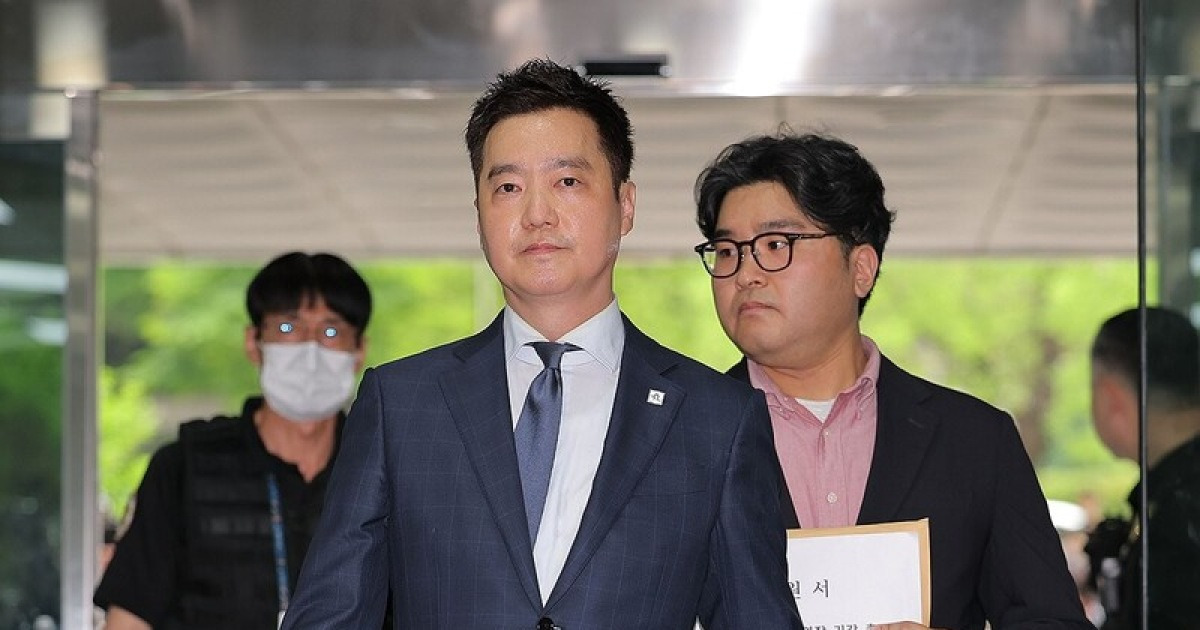
Public reaction to the arrest has been mixed. Some see it as a necessary step to hold individuals accountable for spreading false information, while others argue that the case reflects broader issues with how AI is regulated and policed. As the legal process unfolds, it will be crucial to monitor how the courts address the intersection of AI, free speech, and reputation damage.
For now, the arrest of Kim Se-yeol stands as a stark reminder of the consequences that can arise when AI is used to manipulate public perception. It also serves as a call to action for tech companies, lawmakers, and society at large to address the challenges posed by AI-generated disinformation. The question remains: will this case be a turning point, or just another chapter in an ongoing struggle?
"엉터리 영장 청구"라며 모든 혐의를 부인했습니다.
