
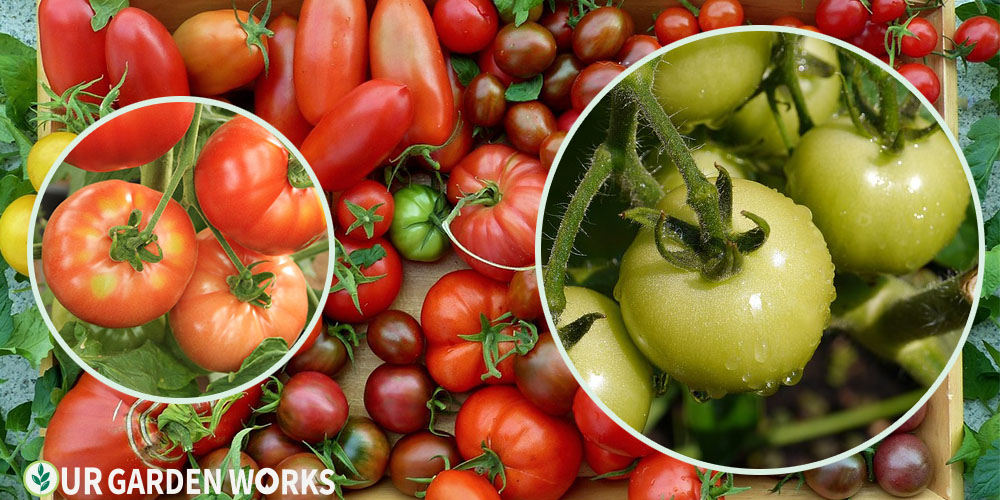
A new study from The Ohio State University finds that drinking tomato-soy juice—rich in lycopene and soy isoflavones—significantly lowers levels of key inflammatory markers in adults with obesity after just four weeks of daily consumption.
Researchers report that the juice, developed with tomatoes bred for high lycopene content and enriched with soy isoflavones, reduced three pro-inflammatory cytokines—Interleukin-5, IL-12p70, and granulocyte-macrophage colony-stimulating factor (GM-CSF)—by a statistically significant margin. The findings, published in Molecular Nutrition & Food Research, suggest that functional foods like tomato-soy juice could offer a natural, dietary approach to managing chronic, low-grade inflammation linked to obesity and related diseases.
What the Study Found: Inflammation and Metabolomic Changes
In a randomized crossover trial, 12 healthy adults with obesity consumed either tomato-soy juice or a low-carotenoid tomato juice control for four weeks each, with a washout period in between. The tomato-soy juice contained 54 mg of lycopene and 189.9 mg of soy isoflavones per day, both known for their antioxidant and anti-inflammatory properties. After four weeks, the tomato-soy juice group showed a significant decrease in three key inflammatory markers: IL-5, IL-12p70, and GM-CSF. Tumor necrosis factor alpha (TNF-α), another marker of inflammation, also trended downward, though not to a statistically significant degree.


The study also found that plasma lycopene levels increased by 2.48-fold after consuming the tomato-soy juice, and urinary metabolomic profiles shifted, indicating that the combination of lycopene and soy isoflavones had a distinct effect on metabolism compared to the control. These changes suggest that the tomato-soy juice not only reduces inflammation but also modulates metabolic pathways in a way that could have broader health implications.
“The idea is, can we use food-based interventions to modulate inflammation? And can we test this in a rigorous way so that we can really see this is affecting inflammation, versus just saying something is anti-inflammatory?”
Cooperstone and her team emphasize that the study’s results are promising but preliminary. The next step is to test whether the same effects hold in patients with specific inflammatory conditions, such as pancreatitis, for which they have already secured pilot clinical trial funding from the National Institute of Diabetes and Digestive and Kidney Diseases.
The Science Behind the Juice: Lycopene and Soy Isoflavones
The tomato-soy juice used in the study was developed by Ohio State researchers, including David Francis, an expert in tomato breeding and genetics. The tomatoes were bred to contain high levels of lycopene, a potent antioxidant found in red fruits and vegetables. Lycopene is responsible for the red color in tomatoes and has been widely studied for its potential health benefits, including reducing the risk of chronic diseases. Soy isoflavones, on the other hand, are flavonoids that mimic estrogen and have been linked to improved metabolic health and reduced inflammation.
Previous research at Ohio State and elsewhere has shown that both lycopene and soy isoflavones, when consumed separately, can have beneficial effects on inflammation and metabolic health. However, this study is among the first to examine the combined effects of these compounds in a functional food format. The results suggest that the synergy between lycopene and soy isoflavones may be more effective than either component alone in reducing inflammation.
Why This Matters: Obesity, Inflammation, and Functional Foods
Chronic, low-grade inflammation is a hallmark of obesity and is associated with a range of chronic diseases, including type 2 diabetes, cardiovascular disease, and certain cancers. The findings from this study suggest that dietary interventions, such as consuming tomato-soy juice, could offer a practical and accessible way to manage inflammation and improve overall health. Unlike pharmaceutical interventions, functional foods like tomato-soy juice are generally safe, widely available, and can be easily incorporated into daily diets.
According to the Centers for Disease Control and Prevention, over 42% of American adults over the age of 20 are classified as having obesity, making this a significant public health challenge. The study’s results could pave the way for further research into how functional foods can be used as part of a broader strategy to combat chronic inflammation and its associated diseases.
What Comes Next: Clinical Trials and Broader Applications
The Ohio State research team is now planning to expand their work into clinical trials with patients suffering from specific inflammatory conditions. The pilot study, funded by the National Institute of Diabetes and Digestive and Kidney Diseases, will focus on individuals with pancreatitis, a condition characterized by significant inflammation of the pancreas. If successful, the findings could lead to broader applications of tomato-soy juice and similar functional foods in managing inflammation-related diseases.

While the current study provides compelling evidence for the anti-inflammatory effects of tomato-soy juice, it is important to note that more research is needed to fully understand its long-term benefits and potential side effects. For now, the study offers a promising glimpse into the potential of functional foods to improve health outcomes in populations at risk for chronic inflammation.
For individuals with obesity or related chronic conditions, the message is clear: dietary choices matter. Incorporating foods rich in lycopene and soy isoflavones, such as tomatoes and soy products, could be a simple yet effective way to support overall health and reduce inflammation. However, always consult with a healthcare provider before making significant changes to your diet, especially if you have underlying health conditions.
