

Leaked dummy units of Apple’s long-rumored foldable iPhone have surfaced, revealing a design that diverges sharply from Samsung’s Galaxy Z Fold series and reviving questions about how Apple will enter a market it has watched from the sidelines for years.
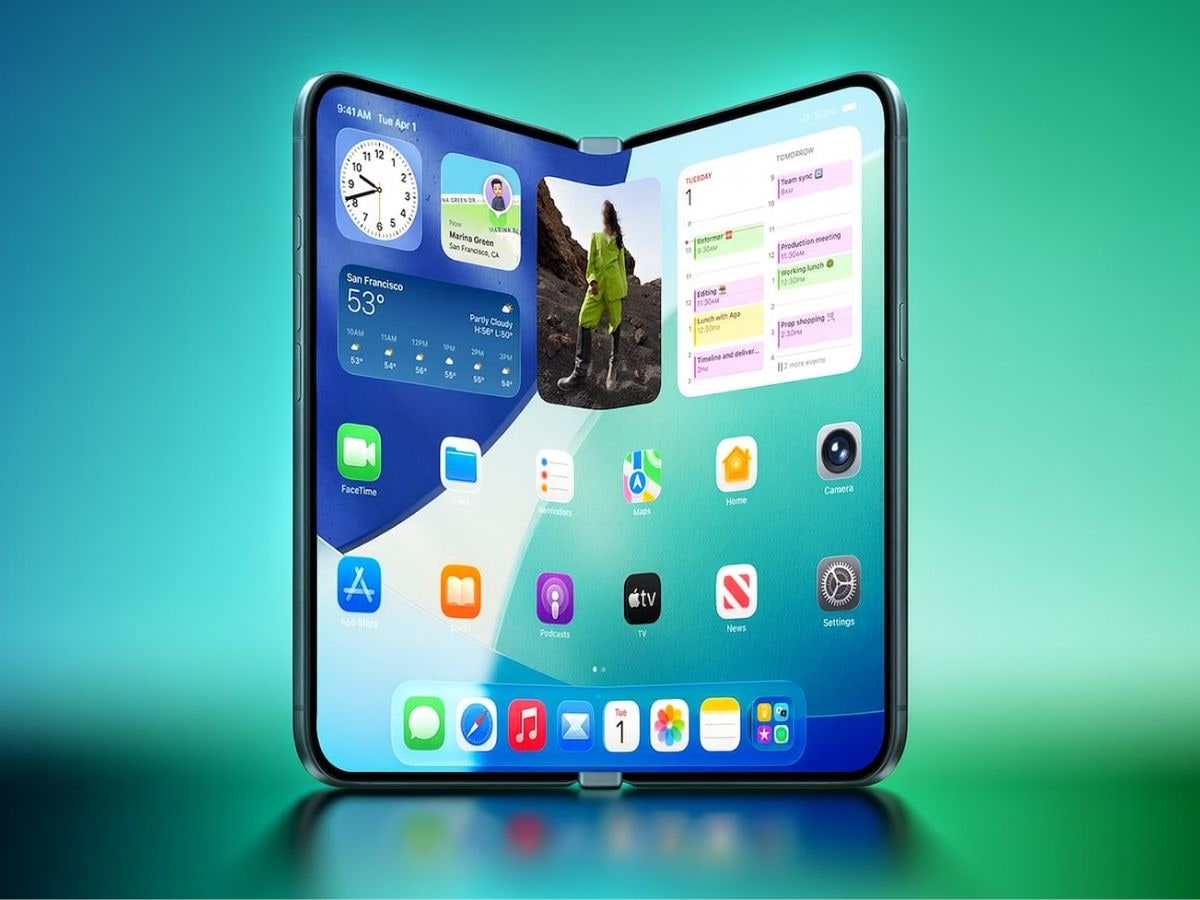
According to footage and images shared by YouTube analyst Vadim Yuryev of Max Tech, the device — referred to in leaks as either the iPhone Fold or iPhone Ultra — features a book-style form factor with a 7.8-inch inner display when opened, slightly smaller than the 8.3-inch iPad mini. When folded, it measures approximately 5.5 inches on the outer screen, aligning with early rumors but contradicting an outlier claim from The Information suggesting a 5.3-inch cover display. The inner display maintains a 4:3 aspect ratio, similar to an iPad, which Yuryev says enhances video playback at 16:9 and improves gaming with on-screen controls.
Physical dimensions show the folded device matching the width of an iPhone 17 Pro Max but offering 56.9 percent more vertical screen space — 111.5 mm tall when open versus 71 mm when closed. Yuryev notes the dummy unit measures 11mm thick when folded, thicker than the 9mm to 9.5mm suggested by other rumors, though he stands by its accuracy, comparing it to last year’s precise iPhone 17 Pro prototypes. If the open thickness reaches the rumored 4.5mm, the device would become Apple’s thinnest product to date.
Apple’s foldable design prioritizes one-handed use and pocketability over Samsung’s approach
Leaks from Mashable and Android-focused leakers highlight key divergences in ergonomics and layout. Apple is expected to place volume buttons along the top edge — like the iPad mini — while positioning a power button with integrated Touch ID and a dedicated Camera Control button on the right side. This contrasts with Samsung’s Galaxy Z Fold 8, which retains side-mounted volume and power keys similar to the Z Fold 7. The Camera Control button, Apple reportedly believes, will allow users to adjust settings while maintaining a steady grip, a detail underscored by the absence of Face ID due to spatial constraints in the hinge area.
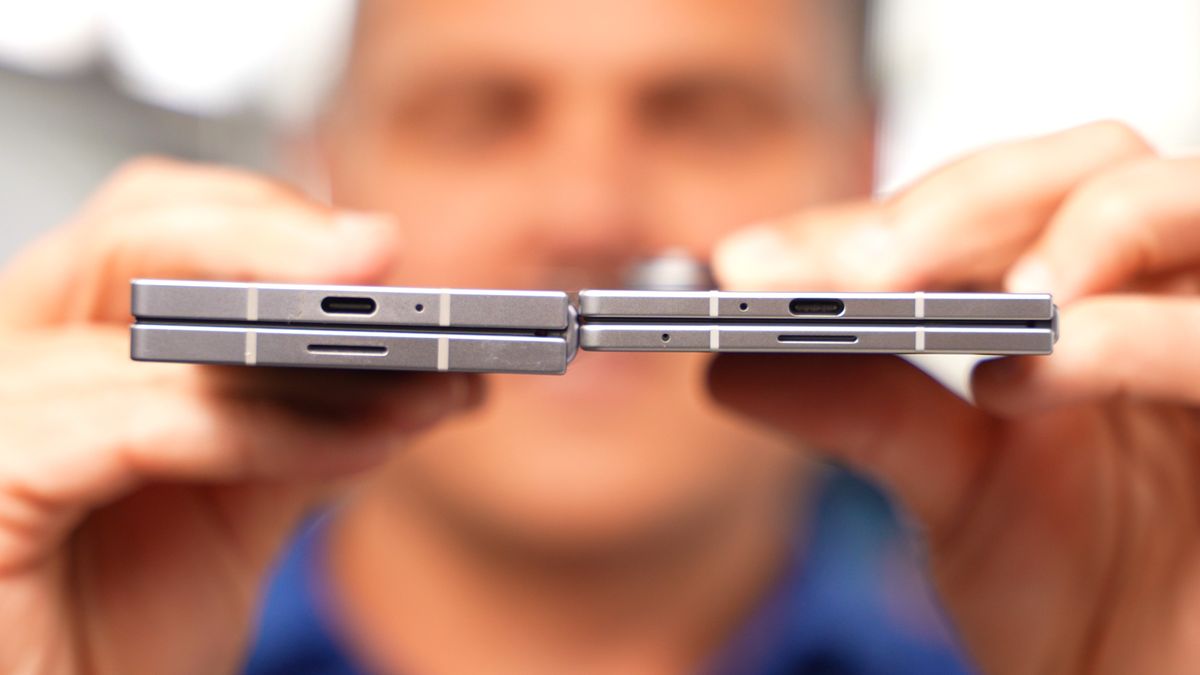
Design language also sets the two apart: while Samsung continues with sharper, square-edged frames on the Z Fold 8 lineup, Apple appears to be adopting rounded corners, a shift visible in dummy case renders. Both companies target an unfolded width under 5mm, aiming for ultra-thin profiles, but Apple’s wider folded footprint — a deliberate departure from the narrow, tall form factor of most flagship foldables — may improve pocket fit. Mashable notes this middle-ground design resembles the poorly received Google Pixel 10 Pro Fold, suggesting Apple is betting that usability will outweigh the awkward aesthetics that hampered earlier attempts.
Camera and software differences underscore Apple’s distinct strategy
Imaging capabilities further separate the upcoming devices. Leaked dummy models show Apple’s foldable housing a two-lens rear camera system, raised in a distinct “plateau” that does not extend across the entire back. This contrasts with the expected triple-lens setup on the Samsung Galaxy Z Fold 8, though the rumored Galaxy Z Fold Wide variant also features two cameras, aligning with Apple’s choice. The reduction in sensors may reflect Apple’s focus on computational photography over hardware multiplicity, though it risks being perceived as a downgrade in a market where camera count often signals premium status.
On software, the divide remains clear: Apple’s device will run iOS — likely iOS 27 — while Samsung’s foldables continue on Android. This reinforces the ecosystem barrier that has historically limited cross-platform appeal in the foldable space. Apple’s late entry, as Mashable points out, mirrors its historical pattern of arriving after competitors in MP3 players and smartphones before ultimately defining the category with the iPod and iPhone. Whether that pattern repeats in foldables remains uncertain, especially given the mixed reception to recent tablet-style foldables from Google and others.
Apple is expected to unveil the device in September alongside the iPhone 18 Pro and iPhone 18 Pro Max, which are rumored to retain the dimensions of the iPhone 17 Pro series but with a smaller Dynamic Island and a potentially more pronounced camera bump based on dummy inspections.
Will the iPhone Fold have Face ID?
No, Face ID is not expected due to space constraints in the hinge mechanism, with Apple relying instead on a Touch ID-integrated power button for biometric authentication.
How does the outer display size compare to past iPhones?
The outer display is rumored to be 5.5 inches — slightly larger than the iPhone 13 mini’s 5.4-inch screen but smaller than most modern flagship phones — which may require adjustment for users with larger hands.
