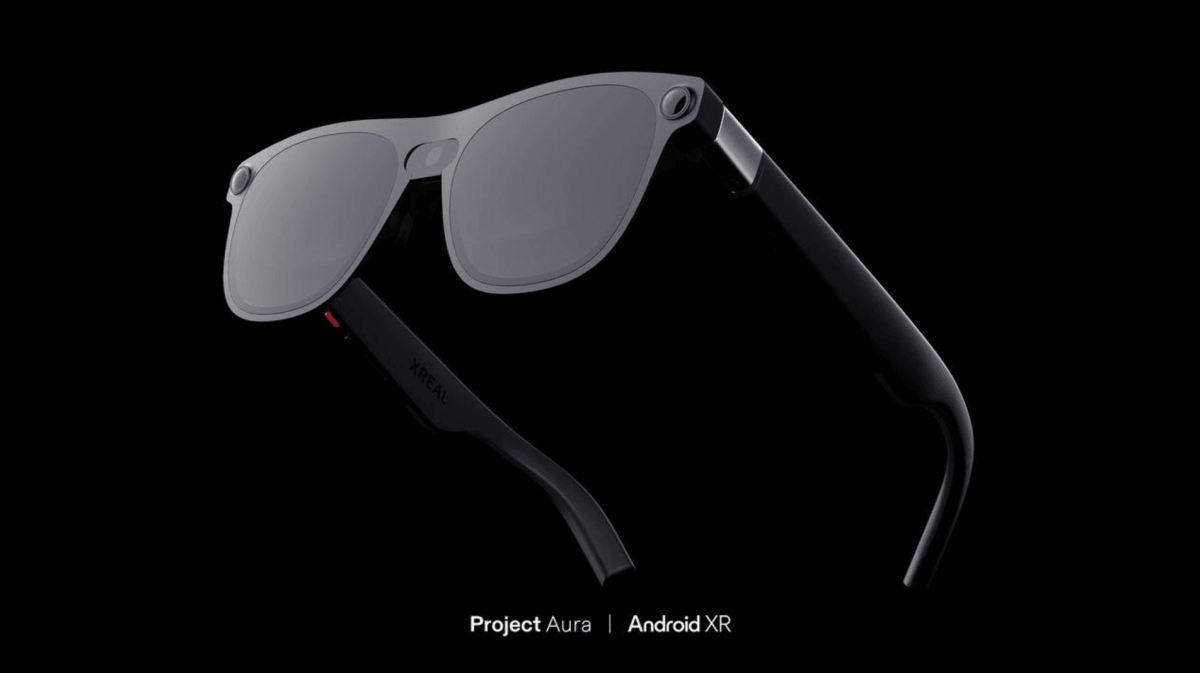
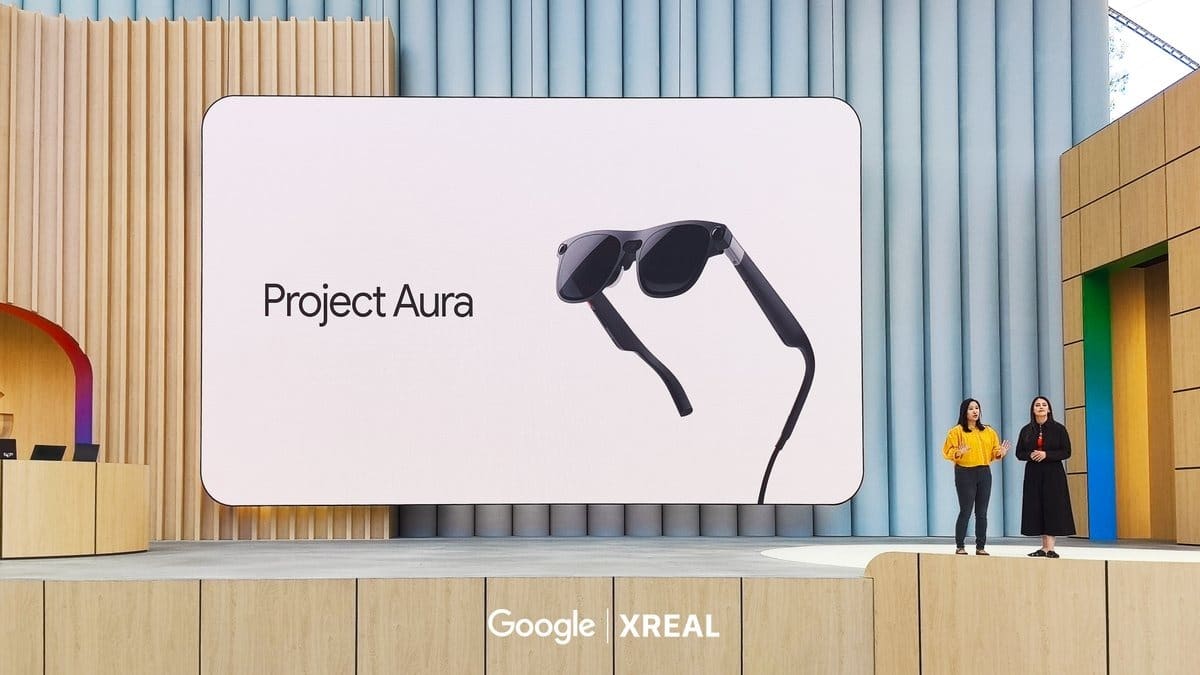
At Google I/O 2026, Xreal and Google showcased Project Aura, a new line of XR smart glasses designed to move beyond experimental gadgets into daily wearable use. The development marks a coordinated push by Google and Samsung to challenge Meta’s dominance in the smart eyewear market using the Android XR platform.
The Economic Burden of Smart Glasses Development
Project Aura
The smart glasses industry has long struggled to find a profitable footing, often acting as a sink for massive investments with little to no return. While the premise of lightweight, wearable computing is a staple of science fiction, the business reality has been far more difficult.
TechCrunch reported that for much of the last decade, the industry has resembled a financial black hole. However, industry insiders suggest the sector may be reaching an inflection point as form factors shrink and software improves. This shift is being driven by a move away from experimental tech toward devices that feel like natural, everyday accessories.
Project Aura’s Wired OLED Hardware
Google Project Aura
Xreal’s latest effort, Project Aura, focuses on a high-fidelity visual experience. These are wired smart glasses featuring embedded OLED displays that allow users to view high-resolution videos directly within the frames. To power the experience, the glasses are tethered to a “puck”—a phone-shaped mini-computer that the user can slip into a pocket.
The hardware is designed to support a variety of interactive experiences, including an immersive Google Maps application and VR YouTube videos. Because the device supports hand tracking, users can also utilize a painting app to create holographic imagery visible only to them. The company promises that whether you are following a floating recipe while cooking, setting up a private workspace at a coffee shop or on a flight, or watching a movie on a virtual big screen at home, the experience is seamless.
cluster (priority): Qoo Media
While Xreal focuses on visual immersion, Samsung and Google are pursuing a dual-track strategy to capture different segments of the market. According to Qoo Media, the companies are preparing two distinct versions of their smart glasses: one with a built-in display and another that relies entirely on audio.
The screen-free model represents a significant departure from traditional XR hardware. Instead of visual notifications, this device uses Google Gemini AI to handle interactions through voice and context. Qoo Media also noted that this audio-centric approach relies on Gemini to understand a user’s surroundings in real time.
Voice-driven calendar reminders and shopping lists via Google Keep.
Real-time conversation translation via audio.
Hands-free visual capture using a built-in camera for photos and videos.
Contextual navigation and personalized restaurant suggestions.
This model is designed to integrate into the broader Galaxy ecosystem, though it can connect wirelessly to both Android and iPhone devices. Jay Kim, Executive Vice President and Head of the Customer Experience Office at Samsung Mobile eXperience, stated that the new form factor expands the Galaxy ecosystem with AI experiences optimized for each device.
Android XR and the Race Against Meta
cluster (priority): Qoo Media
The foundation for this new generation of wearables is Android XR, an open extended reality platform. Unlike the closed ecosystem of the Apple Vision Pro, Android XR is designed to allow broader integration with existing Android apps and Google services. This openness is central to the strategy being employed by Samsung and Google as they aim to challenge the market position currently held by the Ray-Ban Meta partnership.
To ensure the glasses feel like daily accessories rather than tech novelties, Google is reportedly working with eyewear brands such as Warby Parker and Gentle Monster. By focusing on style and daily usability, the companies hope to move past the failures of previous smart eyewear attempts, such as Google Glass.
With the launch for these products expected in the second half of 2026, the industry is watching to see if the combination of contextual AI and refined hardware can finally turn the smart glasses market into a profitable, mainstream reality.