
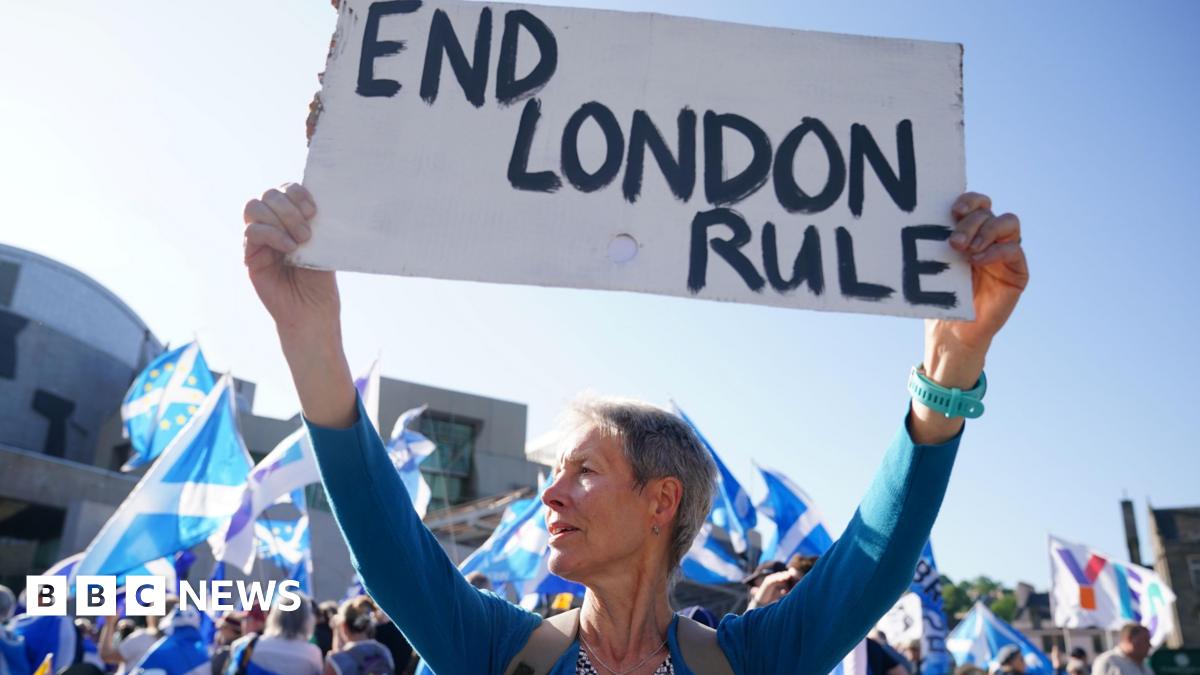
The Holyrood Vote and the Section 30 Demand
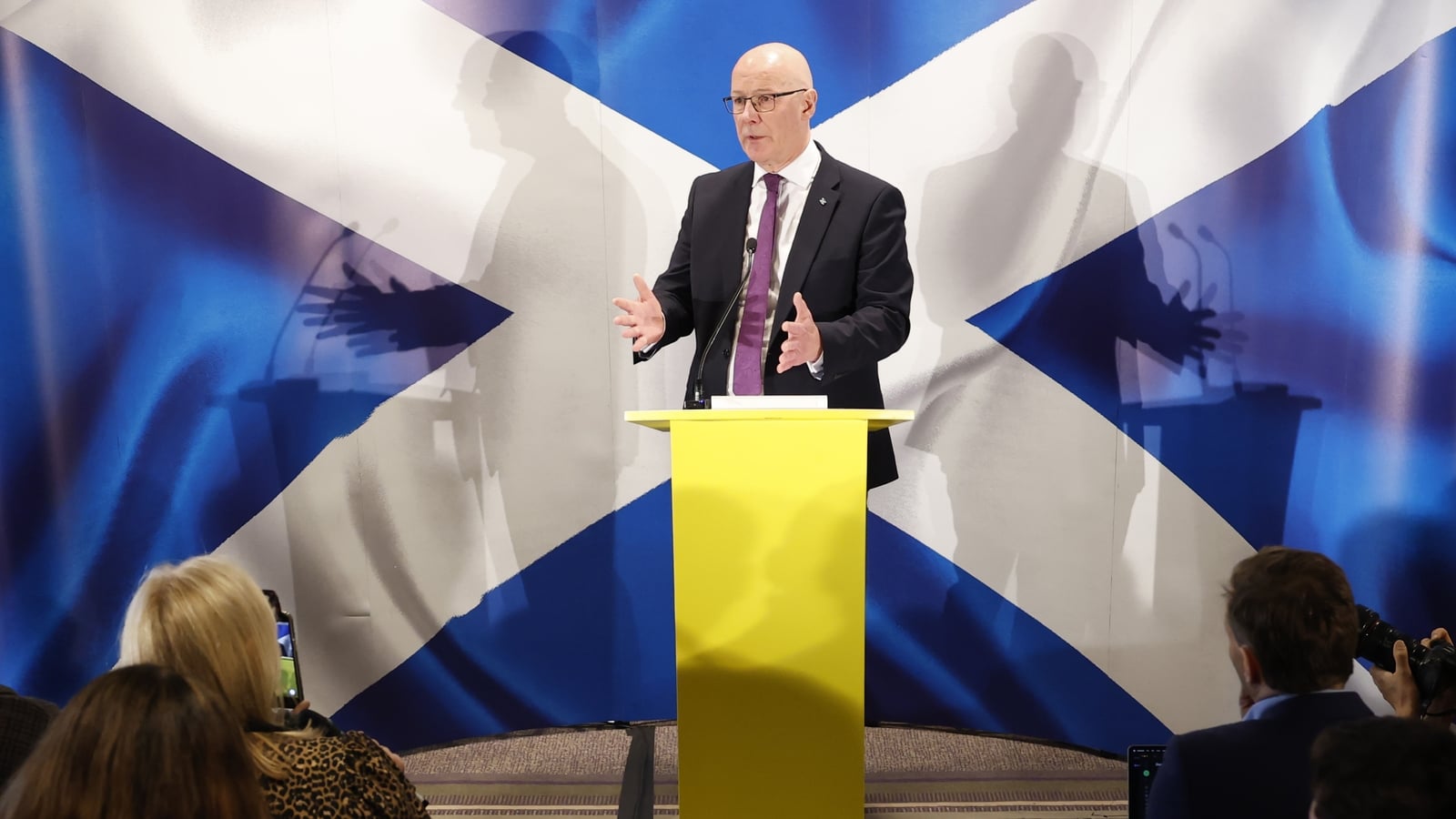
The debate at Holyrood, marking the first major session since the May 7 Scottish election, centered on a motion to compel Westminster to grant Scotland the constitutional authority to hold a vote on its future. According to RTE.ie, First Minister John Swinney has tabled a motion calling for a Section 30 order, a mechanism that would devolve the specific powers required for a second independence referendum to the Scottish Parliament.
Despite the SNP’s failure to secure an overall majority in the recent election, Swinney remains undeterred. He argued that the recent vote demonstrates an emphatic democratic mandate, noting that the election saw the largest number of independence-supporting MSPs ever seated in the chamber. The First Minister characterized the potential vote as a golden opportunity, stating that people will vote resoundingly for it once the nation regains the ability to decide its own future.
We are the people, we are the people’s parliament, and we say yes.John Swinney, via The National
In a rhetorical move pre-empting the UK government’s response, Swinney invoked the words of Canon Kenyon Wright to assert the parliament’s legitimacy. He maintained that the current movement for self-determination cannot be wished away by Westminster, signaling that his next step will be a direct dialogue with the UK government to ensure the parliament’s wishes are implemented.
Downing Street’s Rejection: Delivery Over Division
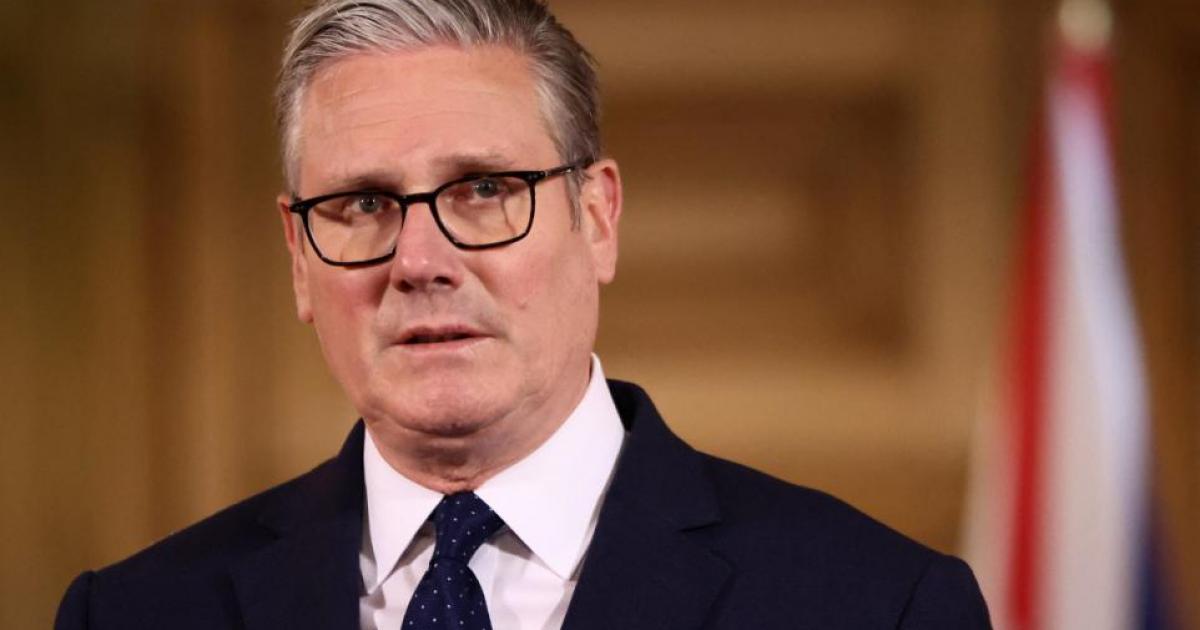
The response from London was swift and dismissive. As The National reported, a Downing Street spokesperson insisted there is no consensus for another referendum, despite the fact that Scottish voters recently returned the largest pro-independence majority in the history of Holyrood.
The UK government’s position is rooted in a desire to pivot away from constitutional disputes toward domestic governance. The spokesperson emphasized that the government’s priority is delivery rather than division, arguing that the public requires a focus on economic growth, the cost of living, and the maintenance of public services.
The UK Government does not support independence or another referendum.Downing Street spokesperson, via The National
Government officials further argued that the Scottish Government must first utilize its existing powers to address fundamental issues. The spokesperson specifically cited the need to improve the ferry network, the NHS, and support for citizens facing cost-of-living pressures. The UK government also pointed to the 2014 referendum as a unique moment where a cross-party and civic consensus existed—a consensus they claim is entirely absent in the current political climate.
Political Friction and the Murrell Shadow
The push for independence is facing significant headwinds from both internal scandal and external political opposition. Reporting from the BBC highlighted that the debate took place in the immediate wake of a significant blow to the SNP’s credibility, following former chief executive Peter Murrell’s admission that he embezzled more than £400,000 from the party over a 12-year period.
Scottish Labour leader Anas Sarwar used the scandal to challenge the SNP’s fitness to lead, labeling the First Minister’s focus on independence an obsession. Sarwar argued that the party’s recent troubles have left members feeling robbed of their hard-earned cash, and he dismissed any claims that the SNP is offering a fresh start for Scotland after nearly two decades of their rule.
Conservative leader Russell Findlay was equally critical, questioning the SNP’s ability to manage a sovereign nation’s finances following the Murrell guilty plea. Findlay argued that it was laughable for the First Minister to suggest the SNP can be trusted with full control of Scotland’s economy, while simultaneously accusing the government of ignoring pressing issues like education standards, high taxes, and the declining North Sea oil and gas industry.
Divergent Priorities for a Post-Election Scotland
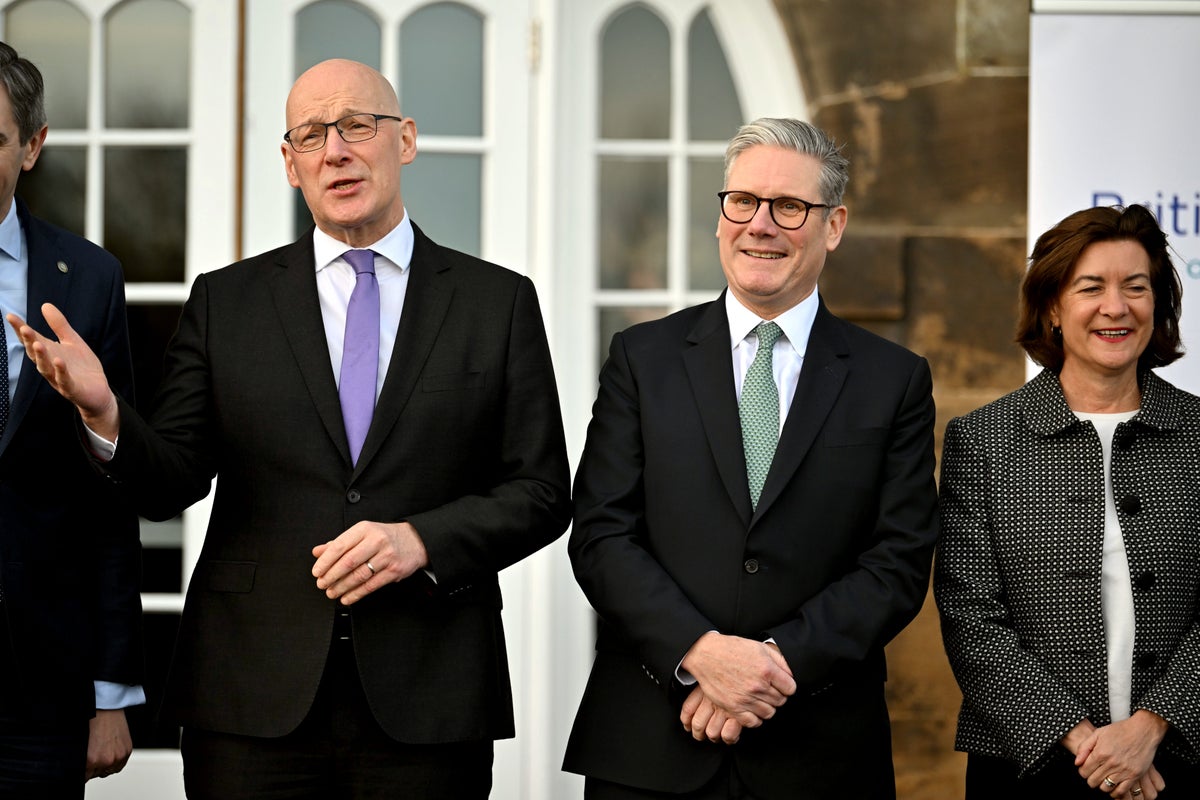
As the political battle lines harden, the debate has shifted from the legality of a referendum to the practicalities of governance. According to The Independent, John Swinney is preparing to take the fight to the highest level, with plans to meet Prime Minister Keir Starmer in June to progress the will of the Scottish Parliament.
However, other political leaders are urging a focus on the “here and now.” Scottish Liberal Democrat leader Alex Cole-Hamilton noted that the SNP actually achieved fewer votes and seats than in previous elections, suggesting the party should prioritize fixing the NHS, improving roads, and addressing the cost-of-living crisis.
The Scottish Greens have also voiced a distinct perspective, advocating for a strategy of maximizing existing devolved powers to build support for independence. Green co-leader Ross Greer argued that people simply want everyday services to work, noting that citizens expect to be able to reach their GP when they call.
Quite why unionist parties have been so determined to block Scotland’s path to deliver a kinder, more equal Scotland is beyond me.Gillian Mackay, via RTE.ie
Greer added that by focusing on more effective use of existing devolved powers, the government could create a fairer, greener, and kinder country where wealth is distributed more equally and the natural environment is protected. This tension between constitutional ambition and service delivery is expected to define the next five-year term at Holyrood.
