The 2026 FIFA World Cup began June 11 across the United States, Mexico, and Canada, featuring 48 teams in 104 matches. This 23rd edition provides a critical window for Kylian Mbappé and Lionel Messi to challenge Miroslav Klose’s all-time scoring record of 16 goals as the tournament expands its scale.
The expanded format of this tournament doesn’t just change the logistics; it alters the mathematical possibility of breaking long-standing records. With more teams and a higher volume of matches, the path to the history books is wider than ever, though the quality of competition remains the primary barrier.
The Race to 17: Klose’s Scoring Record
Photo: Jaihind News
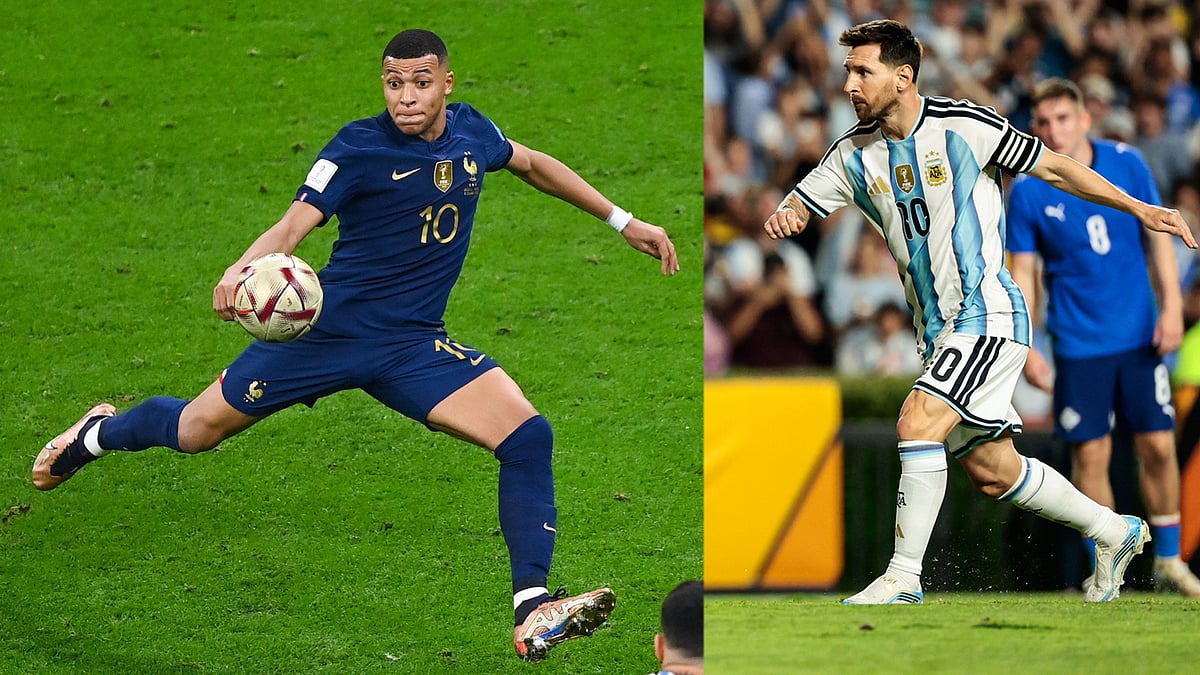
Miroslav Klose of Germany currently holds the summit of World Cup scoring with 16 goals. While that number has stood as the gold standard, two modern icons are within striking distance. According to reporting from Samakalika Malayalam, Lionel Messi sits tied for fourth place with 13 goals, a tally he shares with France’s Just Fontaine.
Messi’s climb was bolstered by seven goals during Argentina’s 2022 victory in Qatar. However, the most aggressive threat to Klose’s record is 27-year-old Kylian Mbappé. The French forward has displayed a scoring velocity that is rare in the modern era, netting four goals in his debut 2018 appearance and adding eight more in 2022, including a hat-trick in the final.
Mbappé currently has 12 goals. Given his age and current form, he is the most likely candidate not only to surpass Klose but to establish a new milestone that may remain untouched for decades.
Golden Ball Rarities: Oliver Kahn and Lionel Messi
Photo: DoolNews
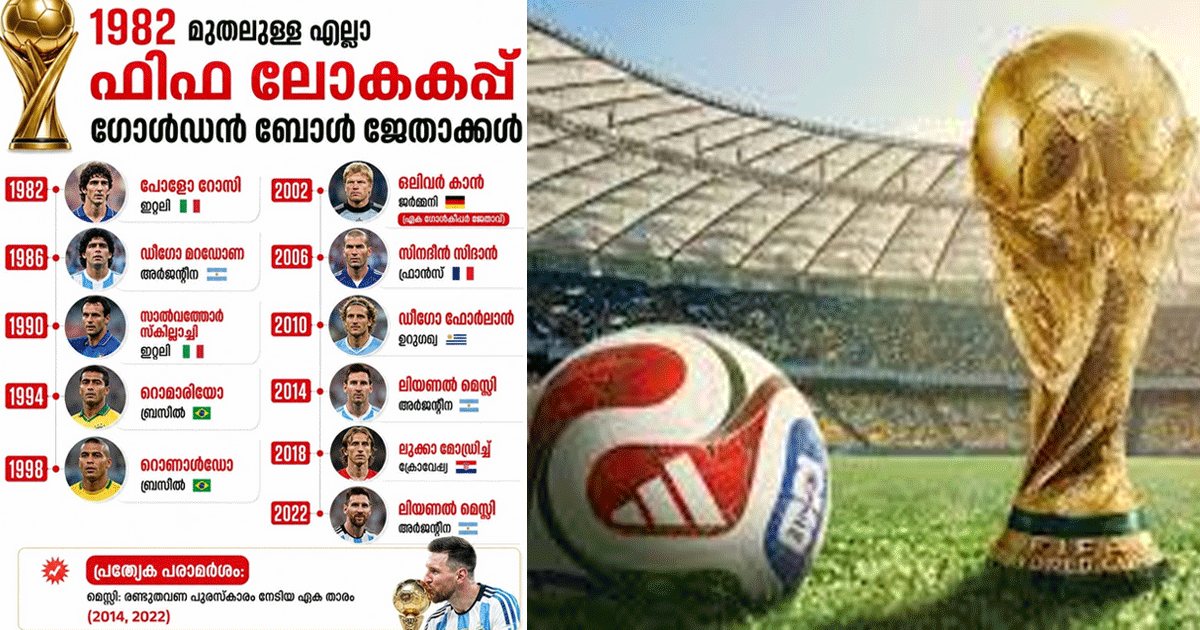
While goals capture the headlines, the Golden Ball—the award for the tournament’s best player—represents the ultimate individual prestige. Introduced at the 1982 tournament in Spain, the award has a history of rewarding versatility and dominance.
The record books highlight a unique anomaly in the form of Germany’s Oliver Kahn. As Jaihind News notes, Kahn remains the only goalkeeper in history to win the Golden Ball. His performance during the 2002 Korea-Japan World Cup was so dominant that he became the only player to ever secure both the Golden Ball and the Golden Glove in the same tournament.
In terms of longevity and consistency, Lionel Messi stands alone. He is the only player to win the Golden Ball twice, first in 2014 despite Argentina’s loss in the final, and again in 2022. With the 2026 tournament now underway, the competition for this award is expected to be more intense than ever due to the increased number of participants and matches.
Hungary’s 10-1 Milestone and the Biggest World Cup Wins
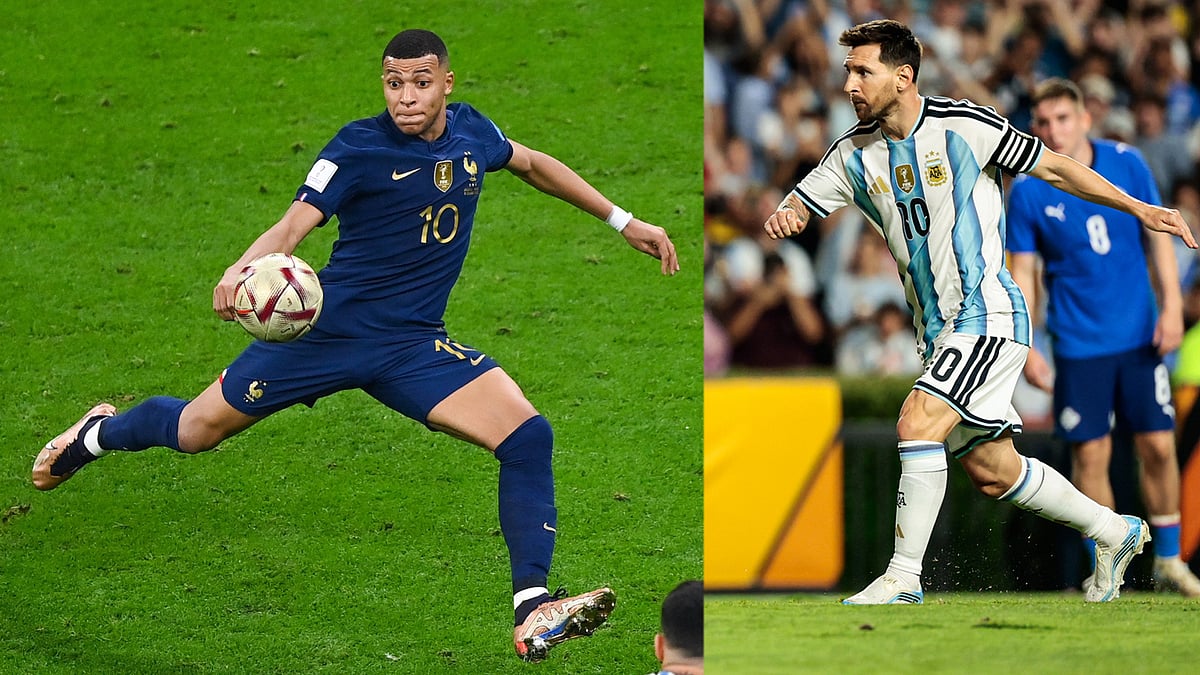
Can Mbappe or Messi Break Klose’s Record? World Cup 2026 Preview
Modern football has become more tactically disciplined, making massive scorelines increasingly rare. The most lopsided victory in the history of the tournament occurred 44 years ago, a record that shows no signs of being broken.
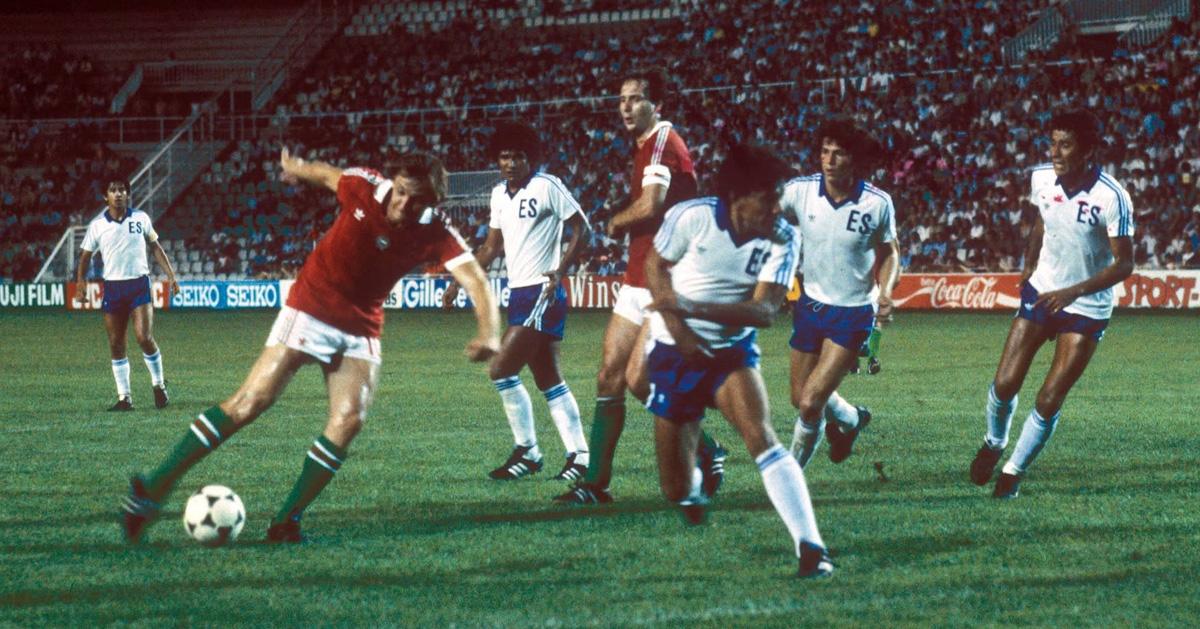
In 1982, Hungary defeated El Salvador 10-1. According to DoolNews, Hungary remains the only team to ever score 10 goals in a single World Cup match. The Hungarian side of the mid-20th century was a powerhouse of efficiency, also recording a 9-0 victory over South Korea in 1954.
The gap between the elite and the emerging nations has narrowed since the 1930s and 50s. While Germany managed an 8-0 win over Saudi Arabia as recently as 2002, the likelihood of a 10-goal game in 2026 is considered nearly impossible given the current parity in global football.
The 2026 Expansion: 48 Teams and 104 Matches
The shift to a 48-team format is the most significant structural change in the tournament’s history. This expansion doesn’t just invite more nations to the party; it increases the total match count to 104. For players like Mbappé, this provides more opportunities to accumulate goals and assists.
However, the expanded field also introduces more volatility. More matches mean more fatigue and a higher risk of injury, which could hinder a player’s quest for the Golden Ball or the all-time scoring record. The stakes for individual brilliance have never been higher, as players now have to maintain elite performance over a longer, more grueling schedule.
As the group stages progress, the focus remains on whether the legends of the previous decade can translate their historical dominance into new records, or if the expanded field will produce a new, unexpected heir to the throne.