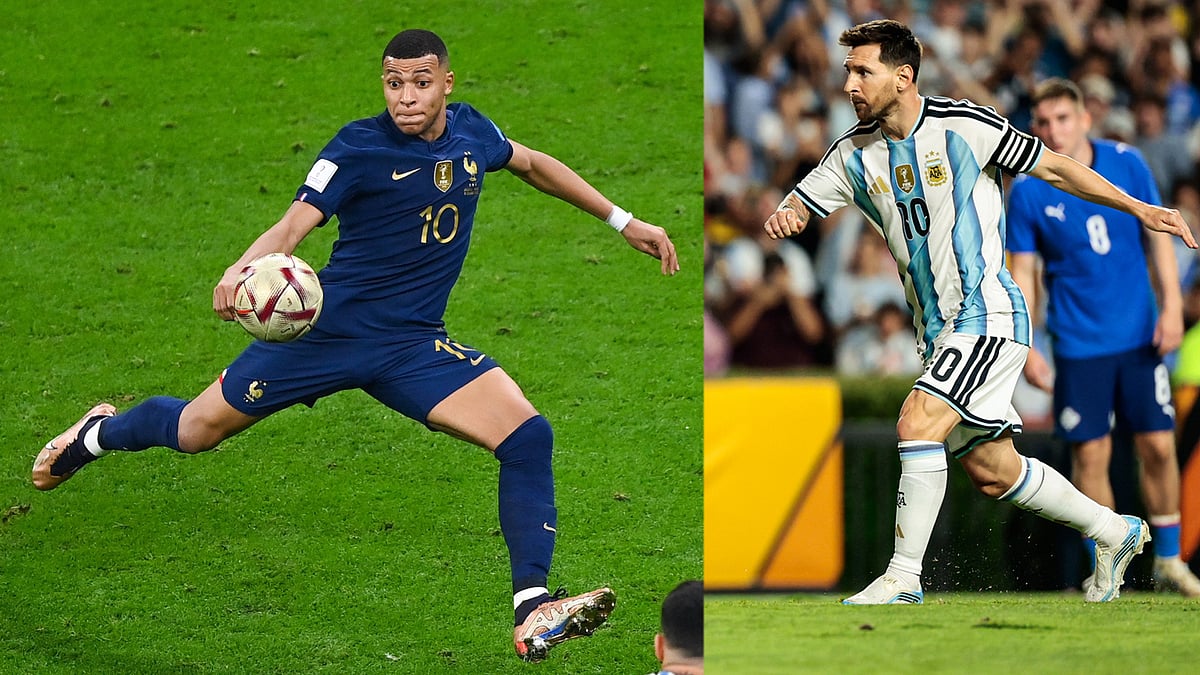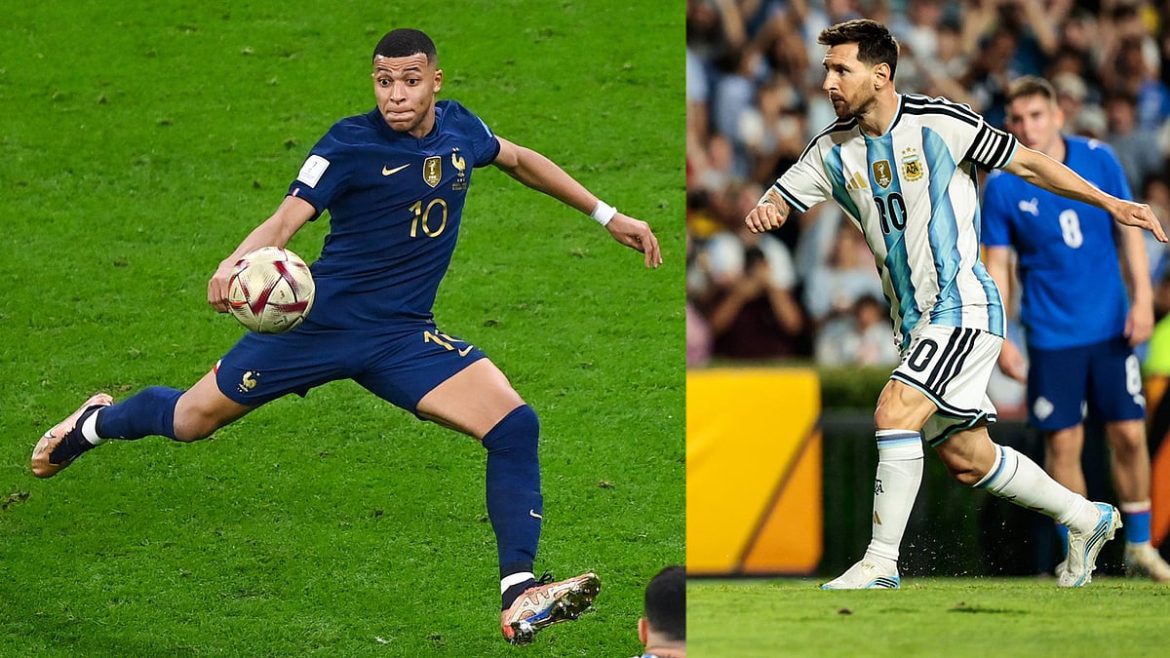
The 2026 FIFA World Cup began June 11 across the United States, Mexico, and Canada, featuring 48 teams in 104 matches. This 23rd edition provides a critical window for Kylian Mbappé and Lionel Messi to challenge Miroslav Klose’s all-time scoring record of 16 goals as the tournament expands its scale.
The Race to 17: Klose’s Scoring Record
- Miroslav Klose (Germany): 16 goals
- Ronaldo (Brazil): 15 goals
- Gerd Müller (Germany): 14 goals
- Lionel Messi (Argentina): 13 goals
- Just Fontaine (France): 13 goals
- Kylian Mbappé (France): 12 goals
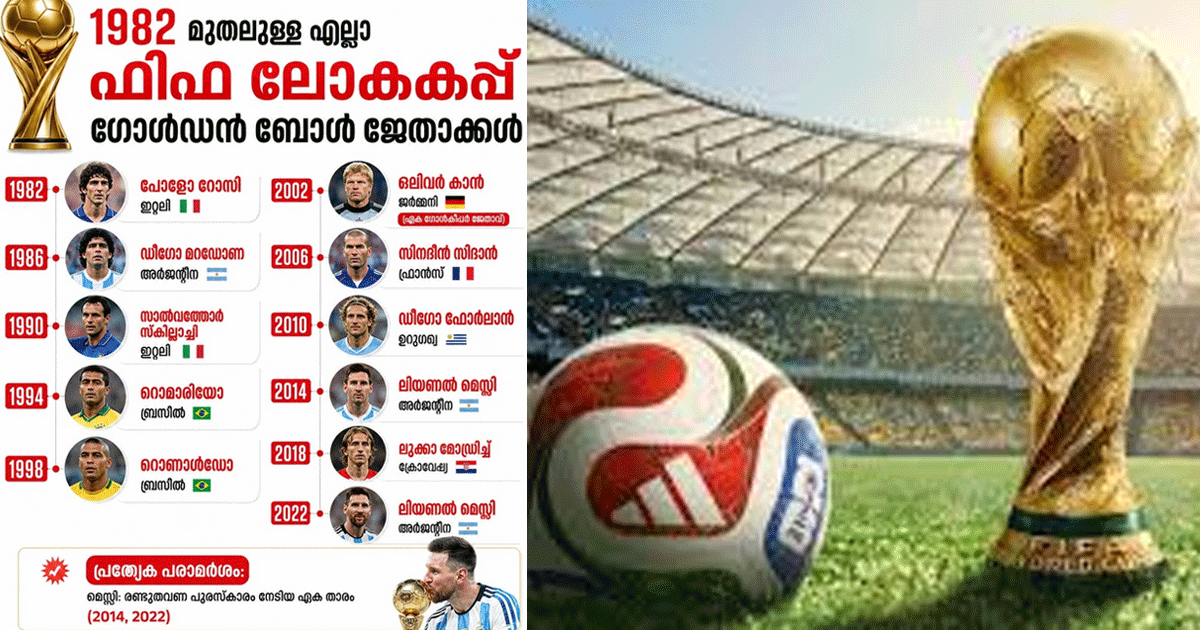
Golden Ball Rarities: Oliver Kahn and Lionel Messi
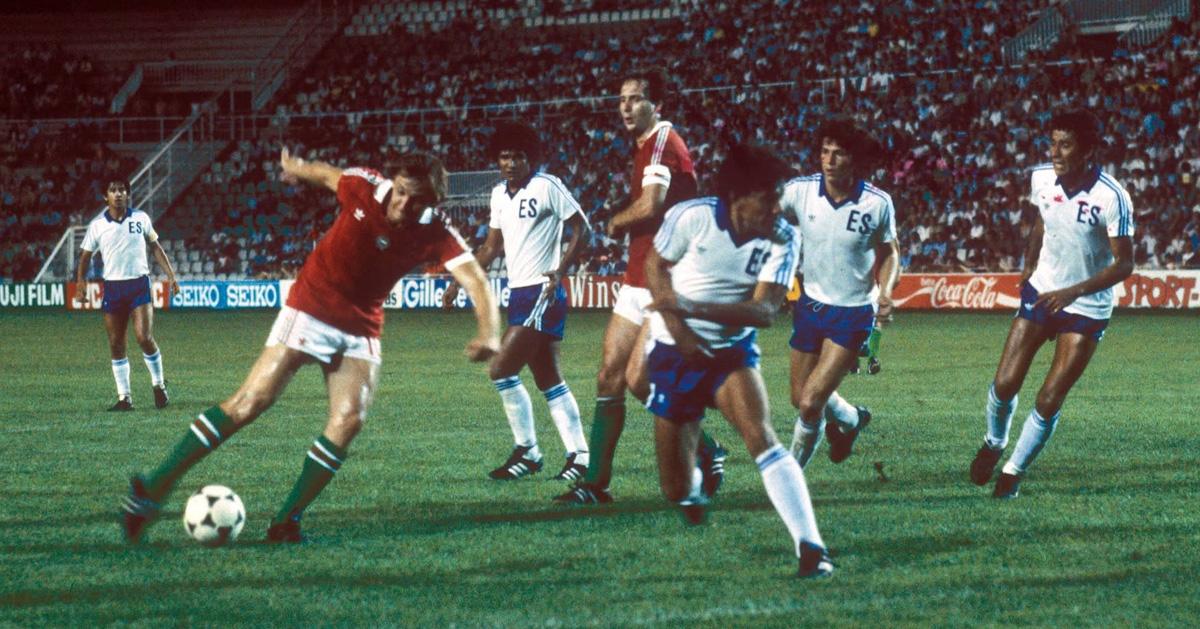
Hungary’s 10-1 Milestone and the Biggest World Cup Wins
| Winning Team | Opponent | Score | Year |
|---|---|---|---|
| Hungary | El Salvador | 10-1 | 1982 |
| Hungary | South Korea | 9-0 | 1954 |
| Yugoslavia | Zaire | 9-0 | 1974 |
| Sweden | Cuba | 8-0 | 1938 |
| Uruguay | Bolivia | 8-0 | 1950 |
| Germany | Saudi Arabia | 8-0 | 2002 |
The 2026 Expansion: 48 Teams and 104 Matches
The shift to a 48-team format is the most significant structural change in the tournament’s history. This expansion doesn’t just invite more nations to the party; it increases the total match count to 104. For players like Mbappé, this provides more opportunities to accumulate goals and assists. However, the expanded field also introduces more volatility. More matches mean more fatigue and a higher risk of injury, which could hinder a player’s quest for the Golden Ball or the all-time scoring record. The stakes for individual brilliance have never been higher, as players now have to maintain elite performance over a longer, more grueling schedule. As the group stages progress, the focus remains on whether the legends of the previous decade can translate their historical dominance into new records, or if the expanded field will produce a new, unexpected heir to the throne.Find more reporting in our Sports section.