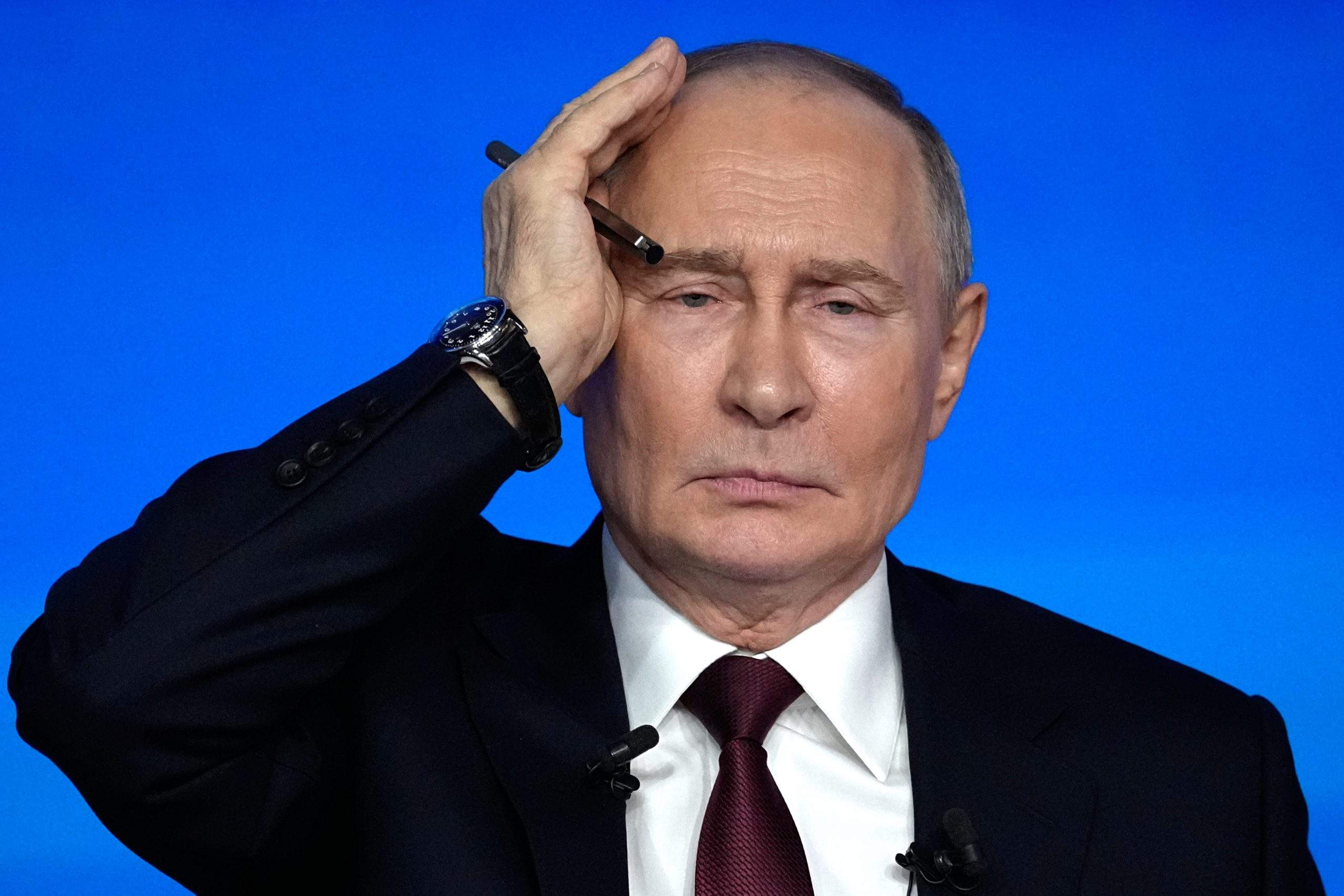
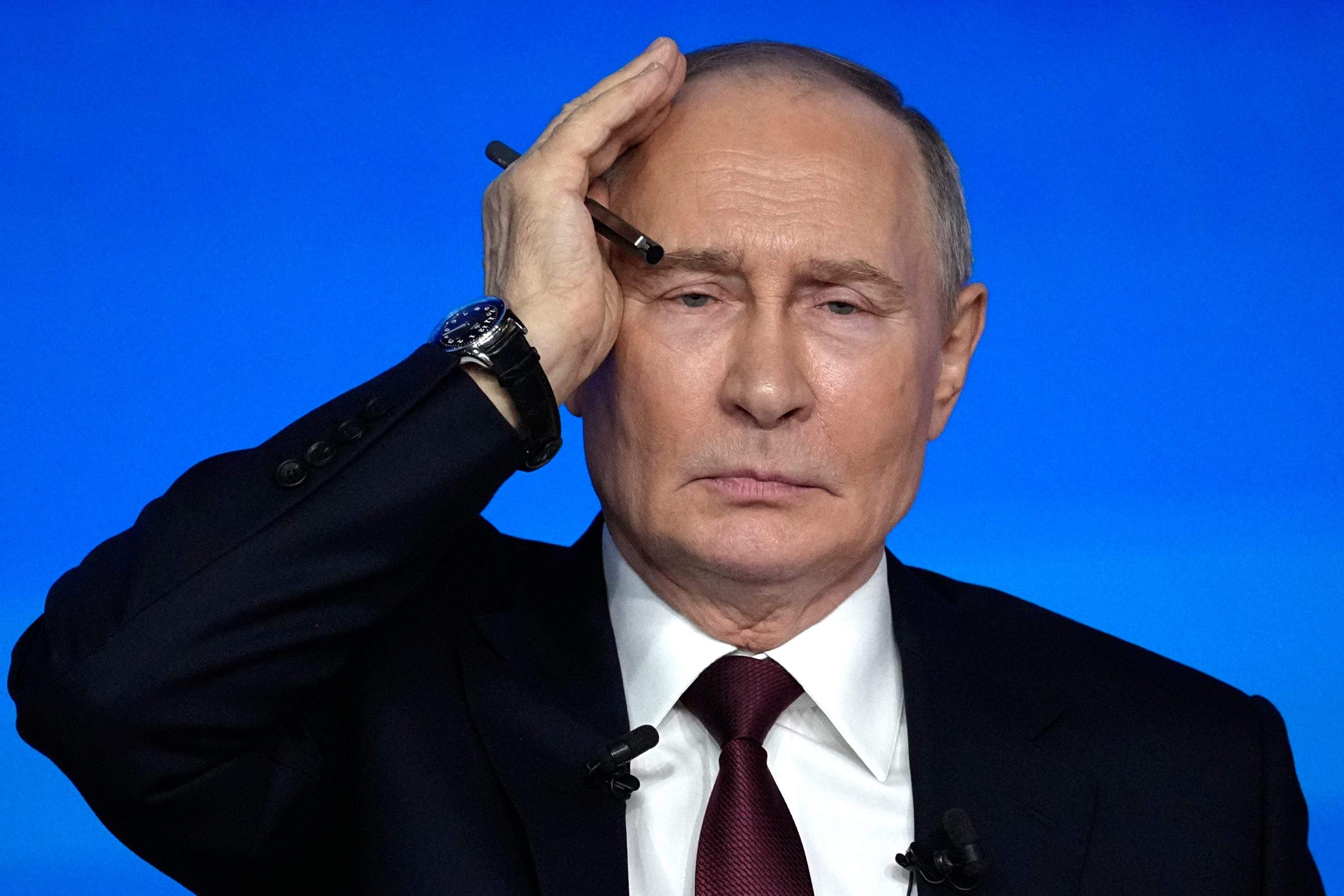
European Council President Antoniu Košta recently initiated brief diplomatic contacts with the Kremlin to open communication channels, sparking internal division among EU member states. While the Kremlin claims openness to dialogue, spokesperson Dmitry Peskov insists Europe must abandon the idea of negotiating from a position of strength, according to Apollo.
The Kremlin’s Condition for Dialogue
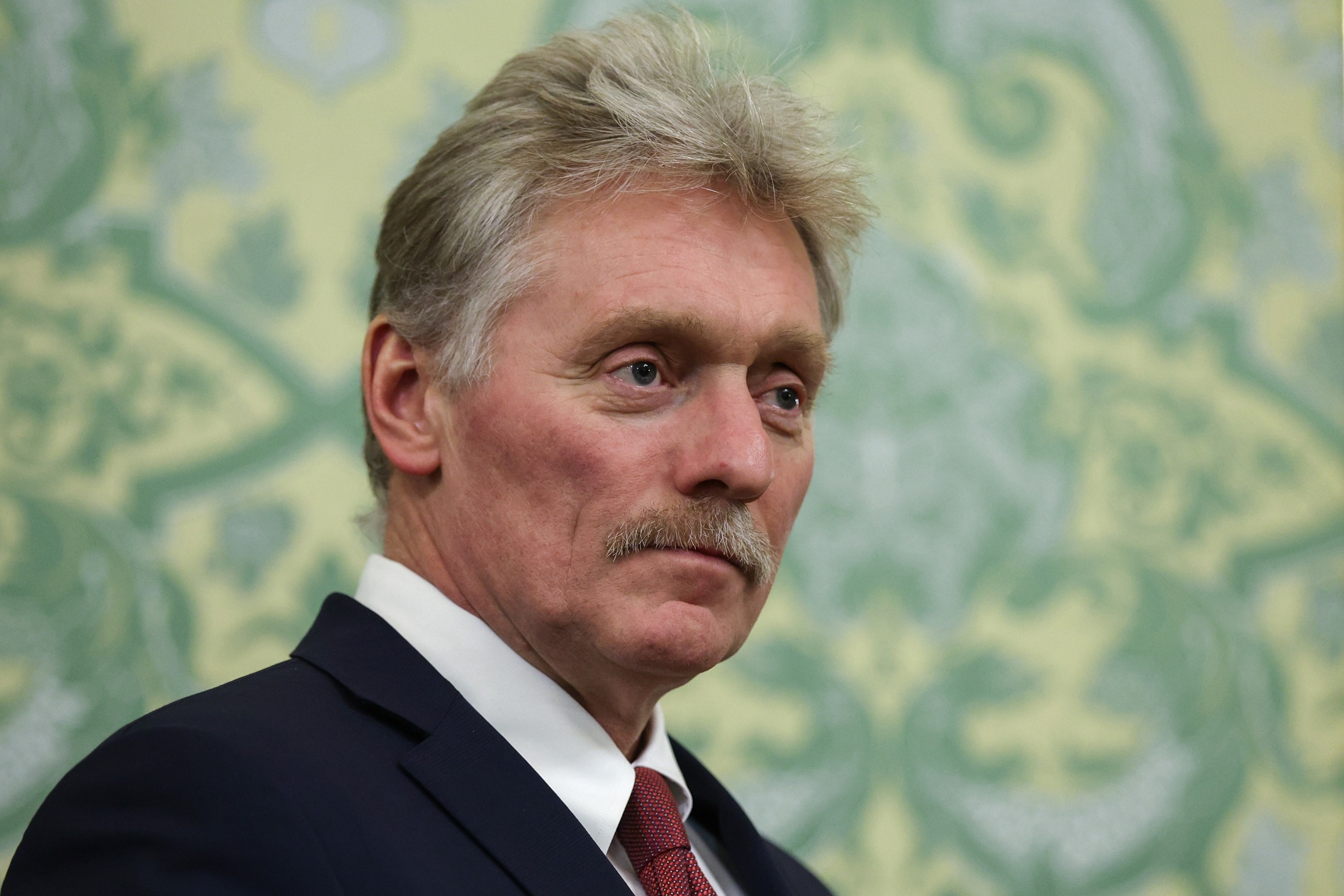
Moscow is framing its willingness to talk not as a concession, but as a test of European perception. Kremlin spokesperson Dmitry Peskov has explicitly rejected the notion that the European Union can leverage Russian weakness to secure a deal.
“Europeans have a very wrong idea. They assume that talks with Russia must be conducted from positions of strength, based on Russia’s weakness. That is the biggest mistake. Such talks will lead nowhere.”
Dmitry Peskov, Kremlin Spokesperson
Peskov further questioned the intellectual and strategic capacity of EU leadership, asking whether the current European approach stems from “European incompetence, disinformation or stupidity.” While Vladimir Putin has stated he is ready for discussions with European leaders, he maintains that the burden of the first move rests with Europe, as they were the party that severed diplomatic ties.
Košta’s Diplomatic Maneuvers and EU Friction
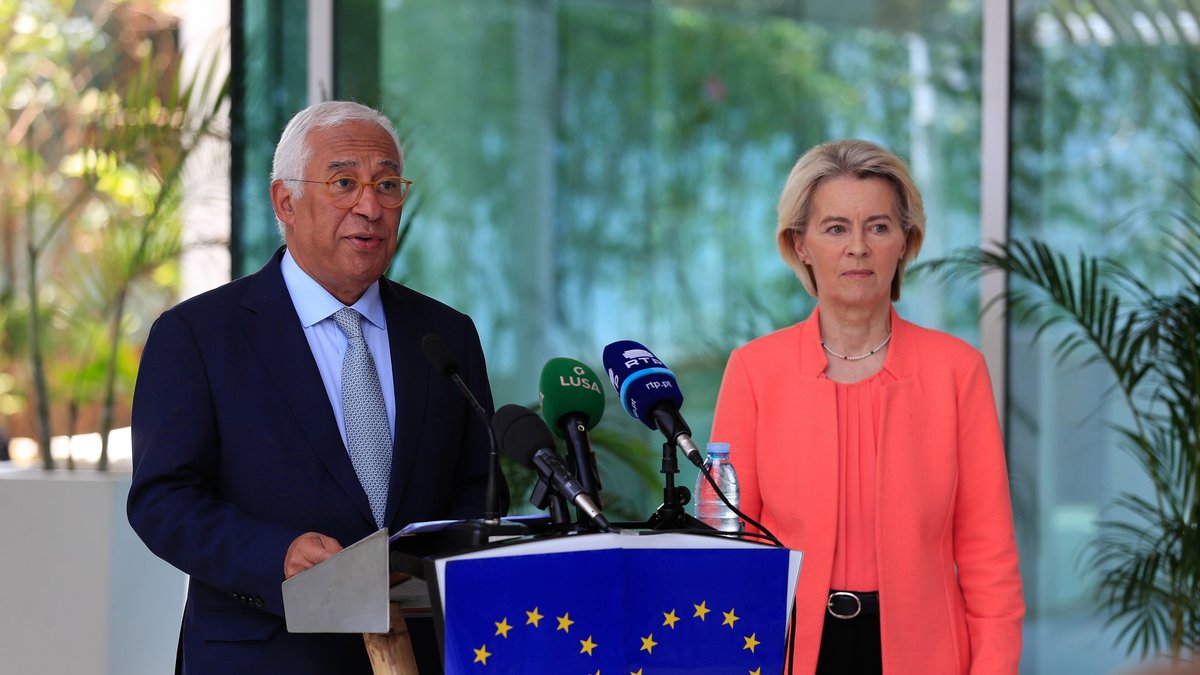
Photo: Delfi
The friction within the bloc centers on the methods used by European Council President Antoniu Košta. As Delfi reports, several EU leaders criticized Košta for attempting to open these channels without first informing all member states.
Košta has defended his actions to fellow leaders, arguing that he is not conducting substantive negotiations but is simply ensuring the EU is prepared for potential peace talks. He cited repeated calls from Ukrainian President Volodymyr Zelenskyy for the EU to take a more active role in the peace process.
The reaction across the union has been sharply divided:
The Skeptics: Poland, the Baltic states, and several Scandinavian countries have warned against any trust in the Kremlin.
The Pragmatists: A majority of leaders ultimately supported the continuation of Košta’s coordinating role, noting that he represents all 27 member states.
The Mediators: Ambassadors from the UK, France, and Germany recently urged the Russian Foreign Ministry to engage in direct talks between Moscow and Kyiv.
Poland’s Rejection of the E3 Format
Putin Open to Ukraine Peace Talks, But Core Goals Non-Negotiable: Kremlin
The most significant pushback has come from Warsaw. During a summit in Brussels, Polish leadership signaled that it will not recognize security decisions made in European formats that exclude Poland. According to TVNET, this is specifically aimed at the “E3” format—comprising France, Germany, and the United Kingdom.
Poland has made it clear that if Paris and Berlin insist on the E3 having an exclusive role in negotiations with Russia, Warsaw will find such an approach unacceptable. This highlights a deep-seated fear among frontline states that a “grand bargain” could be struck by Western European powers without the consent of those most exposed to Russian aggression.
US Deadlock and the G7 Context
Photo: LA.LV
The urgency for the EU to establish its own channels is partly driven by a perceived deadlock in US-led efforts to end the war. With Donald Trump’s attention currently focused on Iran, European officials are weighing their own strategic interests.
At a recent G7 meeting in France, Trump suggested that Moscow should reach an agreement to end the conflict. While President Zelenskyy expressed readiness to meet with Vladimir Putin on US soil, he noted that Putin rejected an invitation to meet during the G7 summit.
“In any future scenario, the EU has special interests that must be defended, therefore it is important to establish diplomatic channels with Russia.”
EU Official, via LA.LV
The EU official clarified that the bloc is not acting as a mediator but is supporting Ukraine’s efforts to reach a “just and lasting peace.”
Strategic Implications for the Bloc
The current diplomatic dance reveals a fundamental disconnect between the Kremlin’s demands and the EU’s internal cohesion. Moscow is demanding a psychological surrender—an admission that it cannot be dealt with from a position of strength—before it will engage meaningfully.
Meanwhile, the EU is struggling to define its own voice. The tension between Košta’s desire for communication and Poland’s demand for inclusivity suggests that any future EU-led peace initiative will be fragile. If the E3 continues to lead without the full buy-in of the Baltic and Polish governments, the EU risks a fragmented security architecture just as it attempts to negotiate with an adversary that thrives on such divisions.
For now, the “channels” remain open but empty. As an EU official noted, while brief contacts occurred over the last week, nothing of substance was discussed. The EU is essentially preparing the ground for a conversation that the Kremlin is only willing to have on its own terms.