
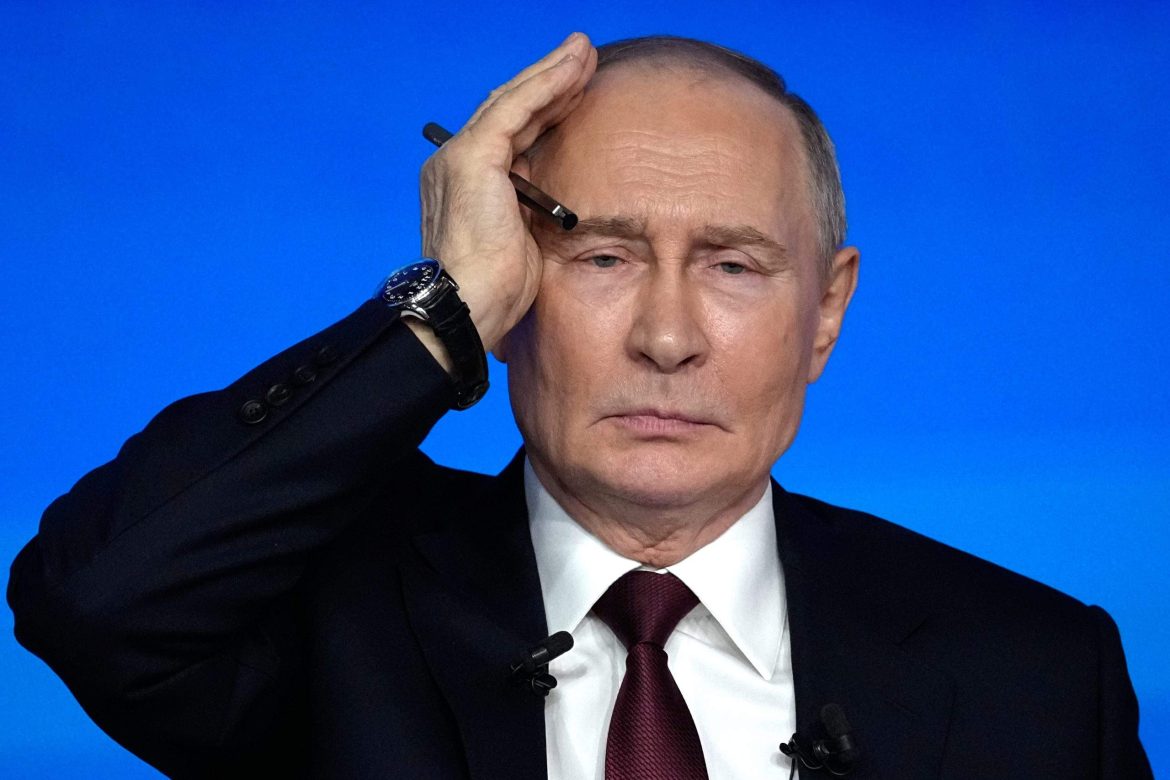
European Council President Antoniu Košta recently initiated brief diplomatic contacts with the Kremlin to open communication channels, sparking internal division among EU member states. While the Kremlin claims openness to dialogue, spokesperson Dmitry Peskov insists Europe must abandon the idea of negotiating from a position of strength, according to Apollo.
The Kremlin’s Condition for Dialogue
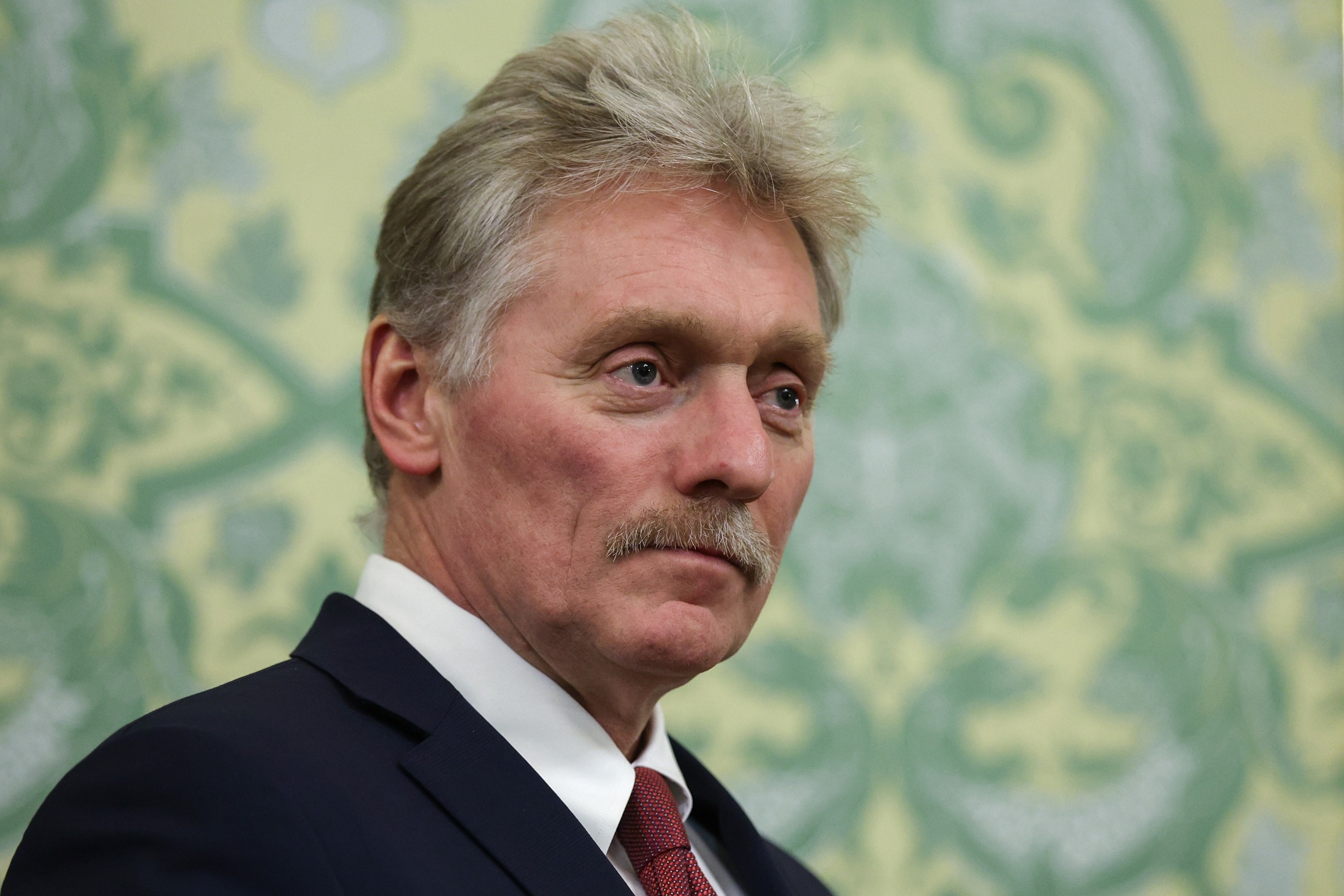
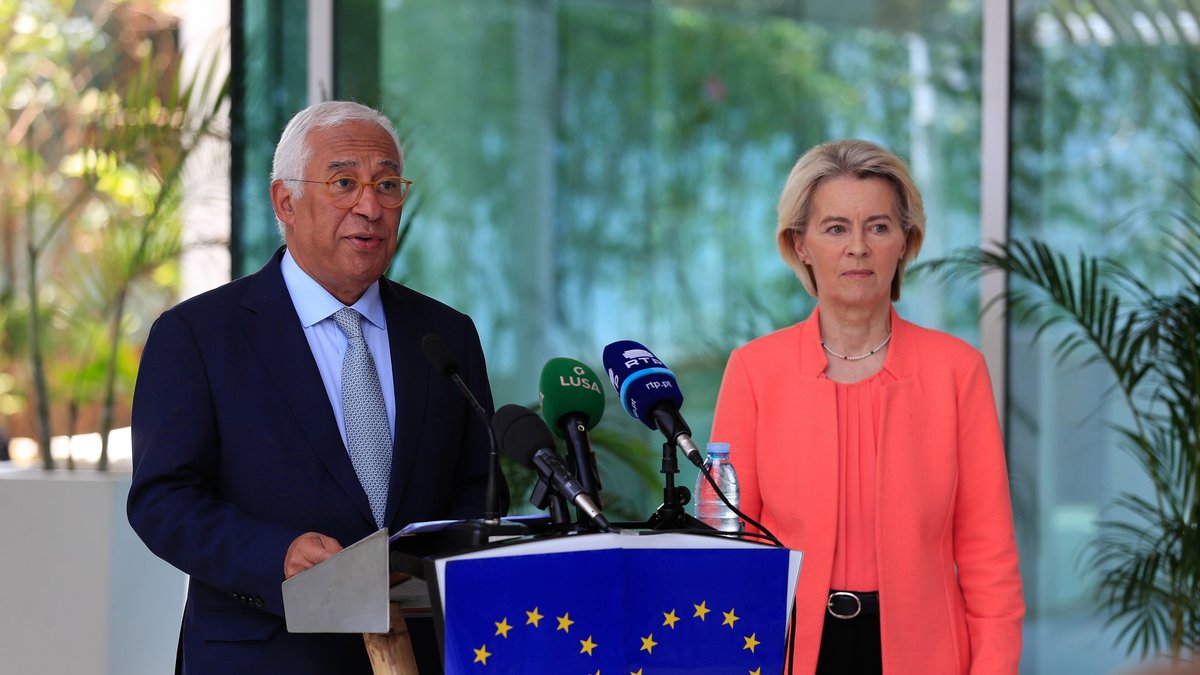
Košta’s Diplomatic Maneuvers and EU Friction
- The Skeptics: Poland, the Baltic states, and several Scandinavian countries have warned against any trust in the Kremlin.
- The Pragmatists: A majority of leaders ultimately supported the continuation of Košta’s coordinating role, noting that he represents all 27 member states.
- The Mediators: Ambassadors from the UK, France, and Germany recently urged the Russian Foreign Ministry to engage in direct talks between Moscow and Kyiv.
Poland’s Rejection of the E3 Format
US Deadlock and the G7 Context
Strategic Implications for the Bloc
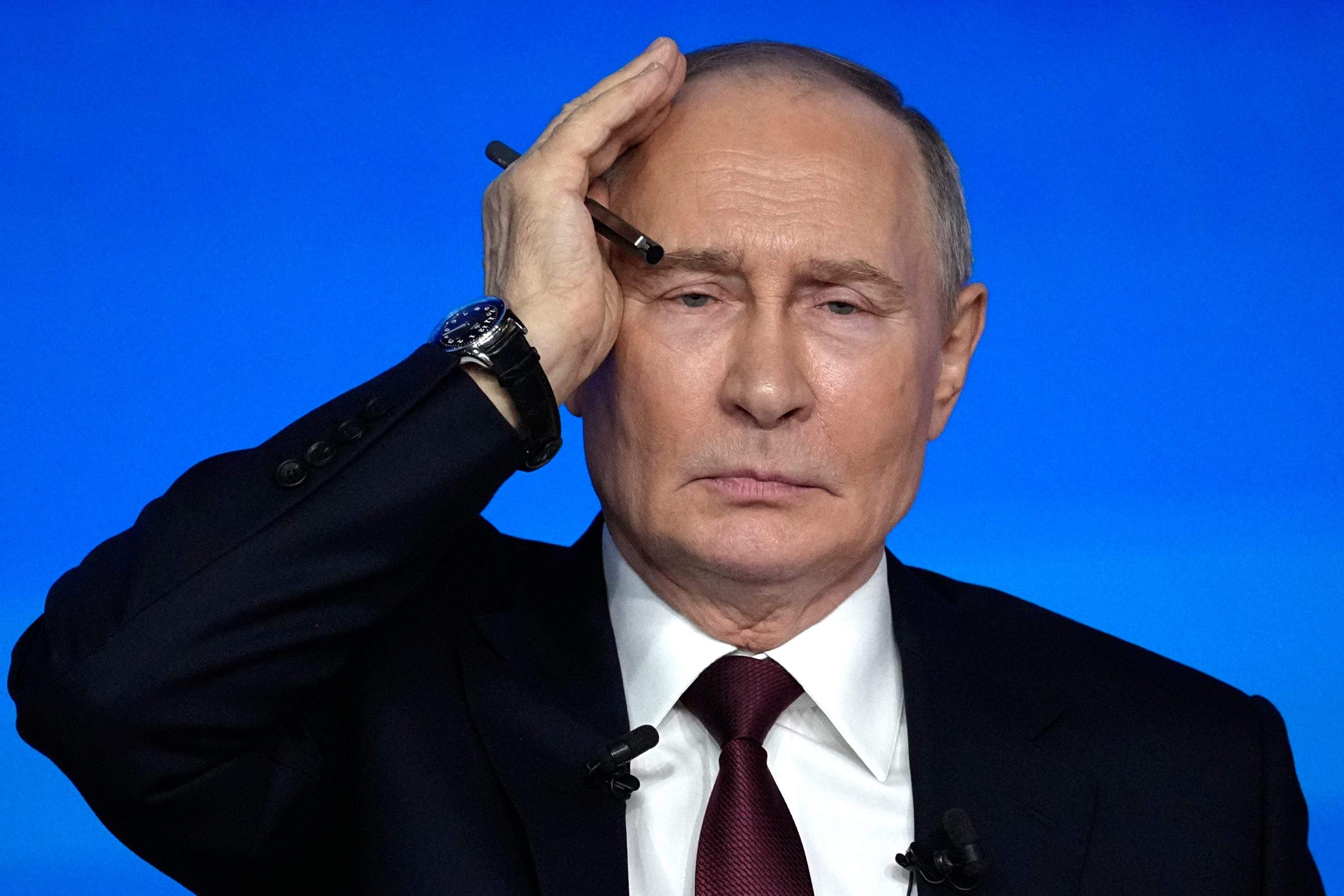
The current diplomatic dance reveals a fundamental disconnect between the Kremlin’s demands and the EU’s internal cohesion. Moscow is demanding a psychological surrender—an admission that it cannot be dealt with from a position of strength—before it will engage meaningfully. Meanwhile, the EU is struggling to define its own voice. The tension between Košta’s desire for communication and Poland’s demand for inclusivity suggests that any future EU-led peace initiative will be fragile. If the E3 continues to lead without the full buy-in of the Baltic and Polish governments, the EU risks a fragmented security architecture just as it attempts to negotiate with an adversary that thrives on such divisions. For now, the “channels” remain open but empty. As an EU official noted, while brief contacts occurred over the last week, nothing of substance was discussed. The EU is essentially preparing the ground for a conversation that the Kremlin is only willing to have on its own terms.Find more reporting in our World section.