
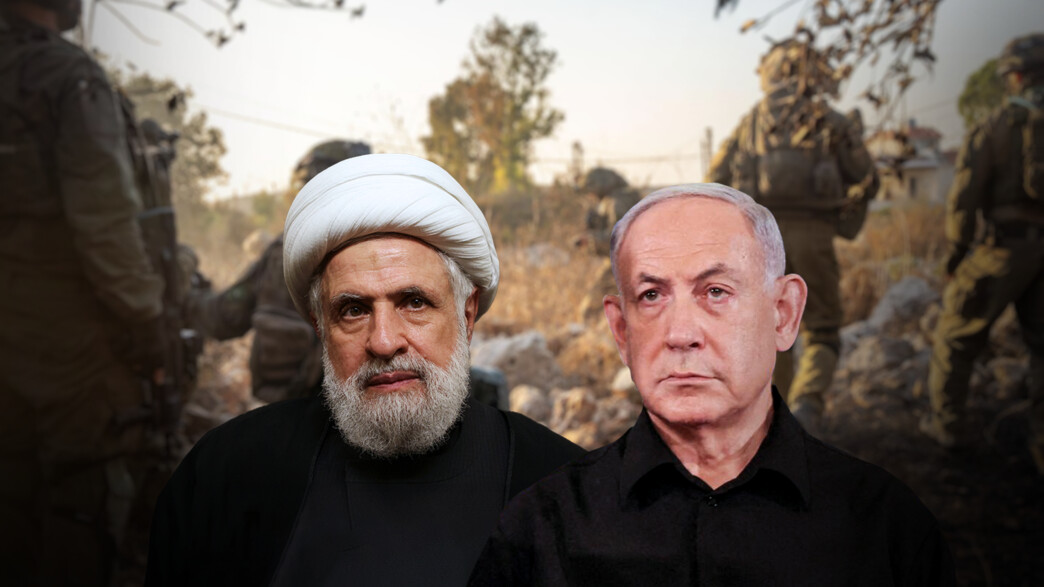
Iranian forces resumed attacks against Israel on June 7, 2026, marking a fifth round of direct conflict. This escalation, led by de facto Supreme Leader Mojtaba Khamenei, signals a strategic shift where Tehran now actively defends Hezbollah as a core pillar of its regional security and deterrence.
The Five Rounds of Direct Conflict
Israel has now entered a fifth distinct chapter of combat with Iran. While earlier rounds focused on specific targets or symbolic responses, the current phase represents a more volatile shift in the regional balance of power. According to <a href="https://www.mako.co.il/news-columns/2026_q2/Article-ce0fdc4c2e6ae91027.

- Round 1: Triggered by the killing of an IRGC commander in Damascus, resulting in limited missile exchanges and the symbolic destruction of Iranian air defenses.
- Round 2: Followed the assassination of Nasrallah in Beirut, involving extensive Iranian salvos and Israeli strikes on ballistic missile production sites.
- Round 3 (The 12-Day War): An Israeli-led initiative targeting the Iranian nuclear project. While significant, the destruction was not absolute, and Iran eventually restored some capabilities.
- Round 4 (The 40-Day War): A joint Israeli-American operation designed to weaken the Iranian regime to the point of collapse and dismantle offensive military assets.
- Round 5 (Current): A battle for “deterrence restoration” where the exit conditions are unclear.
Unlike the 12-Day War, where the objective was the nuclear project, or the 40-Day War, which aimed at regime destabilization, the current round lacks a clear metric for success. Success is now measured by “red lines” and the ability to signal resolve, making it far more dangerous because it is harder to determine when the fighting should stop.
Mojtaba Khamenei’s Test of Leadership
The current aggression is the first round led from the start by Mojtaba Khamenei. His approach differs from his predecessors, largely because he is fighting to establish his own authority as the de facto Supreme Leader.
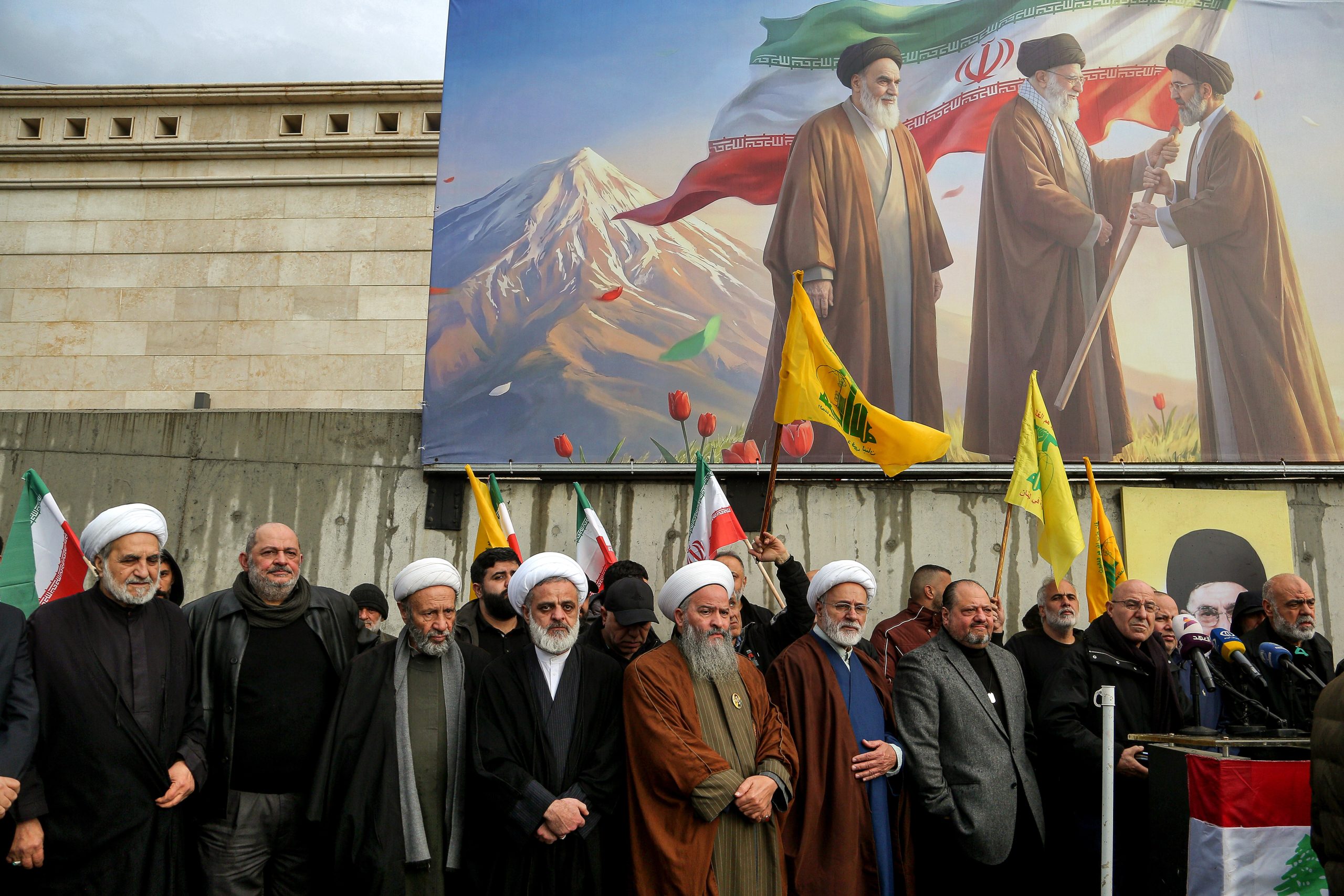
During the earlier “Roar of the Lion” conflict, Khamenei was wounded and unable to function fully during the war’s critical opening days. Now, he is using this round to project an image of strength and self-confidence to the Iranian public while maintaining a rigid stance in negotiations to place the blame for the escalation on Israel.
This isn’t just about military strategy; it is a political performance. By insisting on fulfilling his threats, Khamenei is attempting to redefine the “equations” of the conflict, ensuring that the “unity of fronts” and the Shiite axis remain relevant after they appeared to have been prematurely lost.
The Inversion of the Hezbollah Shield
For decades, the strategic logic was simple: Hezbollah served as Iran’s shield, deterring Israel from attacking Iranian soil. That logic has flipped. Now, Iran is acting as the shield for Hezbollah.
This inversion is a reward for Hezbollah’s loyalty, particularly after Naim Qassem defended Iranian interests even at the risk of his own standing in Lebanon. As detailed by the Institute for National Security Studies (INSS), Tehran now views Hezbollah not just as a proxy, but as an indispensable strategic component of its own national security.
This shift was codified in an article published in early June 2026 by “Voice of Iran,” an outlet of the Iranian leader’s office. Titled “The New Security Equation: From Hormuz to Beirut,” the piece asserted that Iran will not return to the pre-war status quo regarding the Strait of Hormuz, the U.S. military presence, or the “Resistance Front.”
“The war provided Iran with a strategic advantage that allows it to promote a new regional order. Therefore, its relationship with the components of the pro-Iranian axis in the region, including Hezbollah, will not be similar to what it was before the war but will be determined according to the reality created as a result of it.”
Voice of Iran, via INSS
The practical application of this new doctrine occurred on June 7, 2026, when Iran launched attacks against Israel specifically in response to Israeli strikes in Beirut. Tehran has now tied any permanent ceasefire with the United States to a simultaneous ceasefire in Lebanon, effectively merging the two theaters into a single strategic front.
A Strategic Trap and the Nuclear Deadlock
Israel now finds itself in a precarious position, facing a synchronized threat from both Tehran and Beirut. While U.S. President Trump has publicly called for restraint, the reality on the ground has been one of rapid escalation and response.

Following the resumption of Iranian fire, Israel responded by bombing Iranian defense systems and industrial plants. However, the broader diplomatic outlook remains grim. According to analysis from Haaretz, there is a significant risk that the conflict ends in a fragile truce that ignores the most pressing threat: the nuclear program.
“Iran is in a position of strength. There is a reasonable chance there will be an agreement without understandings on the nuclear [issue] and we remain in a scary situation.”
Analysis via Haaretz
The danger lies in the “deterrence restoration” nature of this round. Because the goals are psychological and symbolic rather than territorial or structural, there is no clear “end state.” If Iran succeeds in establishing “extended deterrence” over Lebanon and sovereignty over the Strait of Hormuz, the regional order will have shifted fundamentally in Tehran’s favor, regardless of whether a formal peace agreement is signed.
For Israel, the next 30 days will likely be defined by whether it can decouple the Lebanese front from the Iranian one. Tehran’s current strategy is designed specifically to prevent that separation, ensuring that any blow to Hezbollah is felt directly in Tehran, and any strike on Tehran triggers a response from the borders of Lebanon.
