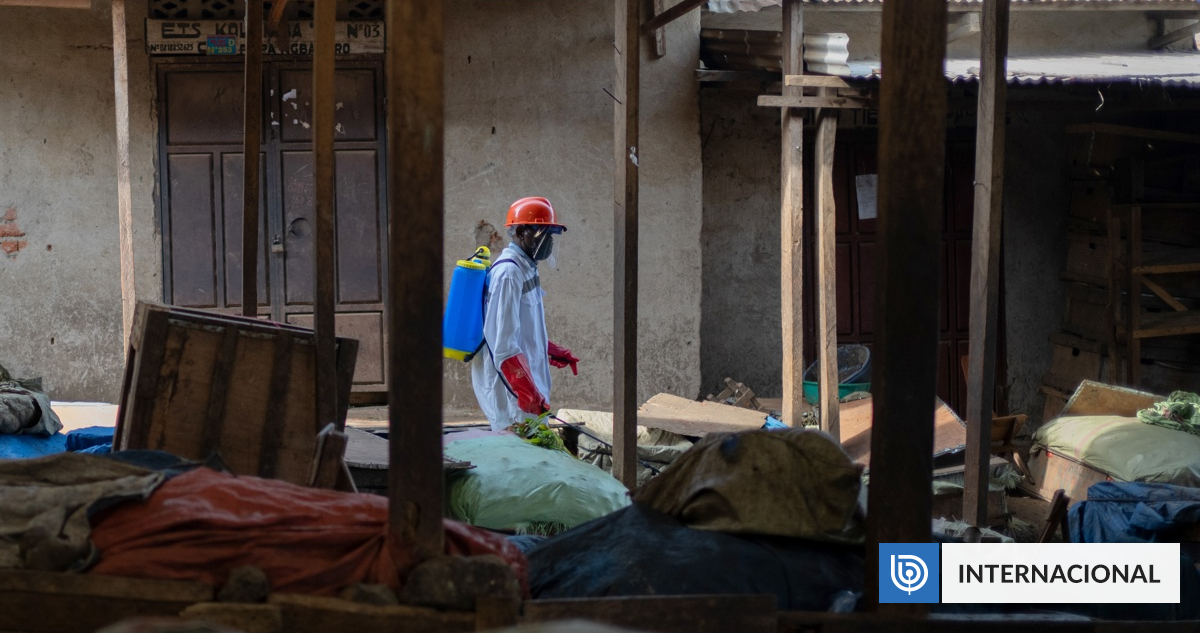
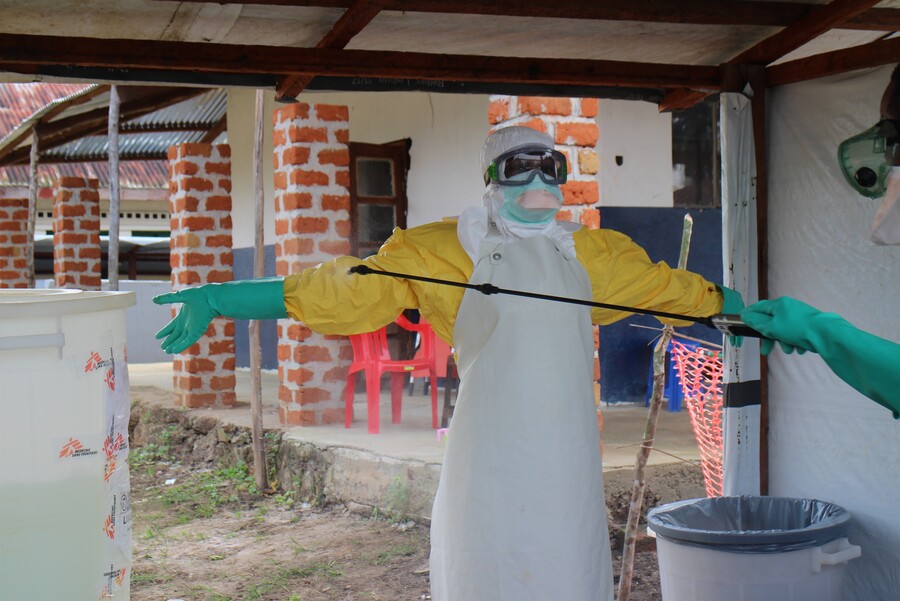
On Monday, May 25, 2026, health officials reported that the Ebola outbreak in the Democratic Republic of the Congo has escalated to over 900 suspected cases. The Bundibugyo strain has also crossed into Uganda, where seven cases are confirmed, including two healthcare workers in Kampala, as the WHO raises the regional risk level.
The Bundibugyo strain lacks vaccines and treatments
The current outbreak is driven by the Bundibugyo strain of the Ebola virus, a rare variant that marks only the third time in history it has caused such an epidemic. This specific strain presents a significant clinical challenge because, unlike other Ebola variants, medical professionals currently lack the tools to fight it directly.
According to BioBioChile, the mortality rate for this variant fluctuates between 30% and 50%. Because there is no authorized vaccine or specific antibody treatment for Bundibugyo, healthcare teams must rely on supportive care to manage the disease.
“This means that, while there are treatments and vaccines for other strains, for this outbreak there are no approved treatments or vaccines. And the capacity to conduct testing is very limited.”
cluster (priority): DW.com
Trish Newport, MSF
While the WHO has classified the situation as a public health emergency of international concern, the global risk of spread remains low. However, the risk within the Democratic Republic of the Congo has been elevated to “very high,” and the threat to the broader sub-Saharan African region remains high.
Ituri healthcare facilities reaching capacity
In the Ituri province, the epicenter of the outbreak, the medical infrastructure is struggling to keep pace with the rising number of infections. Health centers are reporting that they are completely overwhelmed by the influx of patients.
Reporting from La Tercera highlights the logistical chaos described by Doctors Without Borders (MSF). The organization is currently mobilizing a large-scale response to support local authorities, but the sheer volume of cases is outstripping available isolation space.
“Suspected cases arrived at Salama Hospital. That is where we have a surgical center that does not have an isolation area. The team identified them as suspected cases and sent them to Bunia hospital, which sent them back saying: ‘our isolation zone is full of suspected cases, we have no space for them’.”
The lack of specialized space creates a dangerous cycle where suspected patients cannot be effectively isolated, increasing the risk of transmission within general hospital wards.
“The team called other health centers to see if they had isolation zones. All the health centers they called said: ‘we are full of suspected cases, we have no space.’ This serves to give an idea of how chaotic everything is right now.”
Trish Newport, MSF
Uganda confirms seven cases including medical staff
DRC Ebola Outbreak LIVE: 900+ Suspected Cases Reported, Health Crisis Escalates | NewsX
The virus has officially crossed the border into Uganda, where health authorities confirmed two new cases on Monday. These cases involve two medical workers from a private clinic in Kampala, bringing the total number of confirmed infections in Uganda to seven.
As DW reported, the Ugandan Ministry of Health is monitoring all close contacts of the newly infected staff. The country’s recent case history includes:
Two new cases involving healthcare workers in Kampala.
A Ugandan driver who transported the first confirmed patient.
A healthcare worker exposed during the treatment of the initial case.
A Congolese woman residing in Uganda.
Two previously confirmed imported cases, including one death.
The medical staff in Kampala have been admitted to a specialized unit for treatment. Ugandan officials have urged the public to seek immediate medical attention at health centers if they exhibit symptoms, noting that early detection is critical for survival.
Conflict and instability hinder contact tracing
cluster (priority): news.google.com
Containment efforts are being severely undermined by the volatile security situation in northeastern Democratic Republic of the Congo. The outbreak is unfolding in a region where nearly five million people live amidst persistent conflict.
According to Radio Universidad de Chile, WHO Director-General Tedros Adhanom Ghebreyesus warned that violence is forcing populations to flee, which directly interferes with the ability of health workers to trace contacts and identify new infections early.
This instability creates a dual crisis: one of infectious disease and one of humanitarian displacement. Currently, one in four people in the province requires humanitarian assistance, while one in five has been internally displaced.
Discrepancies in mortality and case data
As the situation evolves, health organizations are providing varying figures regarding the scale of the epidemic. The lack of standardized testing capacity for the Bundibugyo strain contributes to the uncertainty in official counts.
Metric
DRC (Ministry of Health)
Uganda
CDC Africa (Combined)
Suspected Cases
904
—
—
Confirmed Cases
101
7
—
Reported Deaths
119 suspected / 10 confirmed
1
204 probable deaths
Data compiled from regional health ministry reports and CDC Africa.
While the DRC Ministry of Health has cited figures ranging from 119 suspected deaths to 207 total deaths, the CDC Africa estimates that the number of probable deaths across both the DRC and Uganda reaches 204. This discrepancy highlights the immense difficulty of managing a high-mortality outbreak in an active conflict zone where healthcare access is inconsistent.