

University of Tokyo researchers have determined that the massive nose of the Triceratops played a vital role in regulating body temperature and maintaining humidity. Through CT scan analysis of fossilized skulls, the team identified unique internal structures that suggest these horned dinosaurs possessed respiratory mechanisms similar to modern birds.
CT Scan Mapping of Triceratops Soft Tissue
The sheer scale of the Triceratops head has long presented a puzzle for paleontologists. While the creature’s horns and frill are its most recognizable features, the disproportionately large nasal cavity has recently become a focal point for understanding its physiological survival. By using advanced CT scanning technology, researchers were able to reconstruct the soft tissue anatomy that once existed within the fossilized bone, including airways, blood vessels, and nerve pathways.

According to news.google.com’s reporting, this reconstruction allowed the University of Tokyo team to compare the dinosaur’s internal structure with modern animals, such as crocodiles and birds. This comparative approach revealed that the Triceratops did not follow the standard biological blueprint seen in most other reptiles.
Tada noted that even with an established understanding of reptilian patterns, the complexity of the Triceratops’ nasal arrangement remained difficult to decipher. The scan data suggests the nose was far more than a simple olfactory tool; it was a sophisticated piece of biological engineering designed to manage the animal’s internal environment.
Thermal Regulation and the Role of Respiratory Turbinates
A central finding of the study involves the presence of respiratory turbinates. These are thin, curved internal structures that increase the surface area within the nasal cavity, facilitating a more efficient exchange of heat and moisture between the inhaled air and the animal’s blood supply. In modern biology, these structures are hallmarks of mammals and birds, used to prevent dehydration and manage core temperatures.

The necessity for such a system likely stemmed from the Triceratops’ own anatomy. The massive size of its skull created a significant thermal challenge, making it difficult for the animal to shed excess heat naturally. The research indicates that the large nasal cavity acted as a heat exchanger, which was crucial for maintaining homeostasis.
As MediaKompeten reported, these turbinates helped optimize the transfer of heat between the blood circulation and the external air. This mechanism provided a vital way for the dinosaur to regulate its temperature and preserve humidity within its respiratory tract, a feature that would be essential for a large-bodied animal in varying environments.
Skull Anatomy Redirects Nerve and Blood Vessel Pathways
The research also highlighted a significant departure from typical reptilian neurovascular pathways. In most reptiles, the nerves and blood vessels that supply the nostrils travel through the jaw. However, the unique, heavy architecture of the Triceratops skull physically obstructed this standard route.
This anatomical redirection forced these vital biological components to take a more complex path through the nasal branches themselves. This deviation explains why the internal arrangement of the nose appeared so unusual to researchers attempting to apply standard reptilian models to the specimen.
Comparative Evidence Between Dinosaurs and Birds
While the researchers stopped short of claiming absolute certainty regarding the exact nature of the soft tissue, the physical evidence in the bone provides a strong correlation with avian biology. The study focused on specific protrusions located within the nasal area that mirror the placement of respiratory structures in birds.
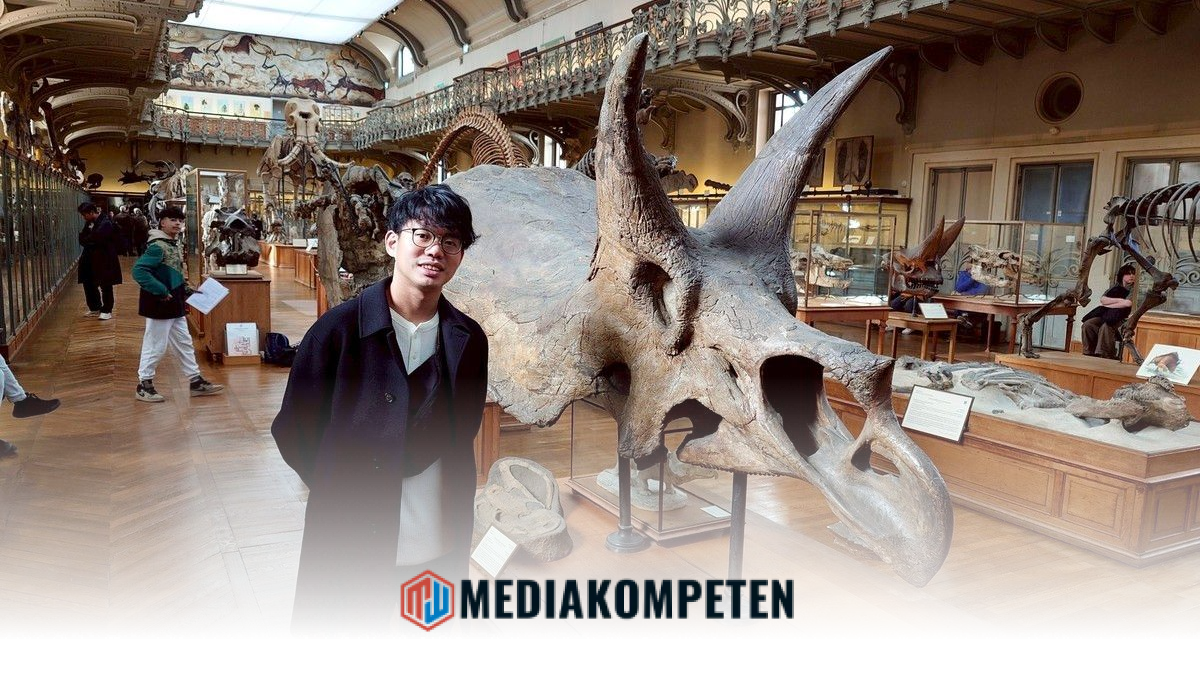
Findings detailed by sekbernews.id suggest that the presence of these bird-like protrusions is the primary reason for the researchers’ conclusions. Even without a complete preservation of the soft tissue itself, the bony landmarks left behind serve as a reliable map of the dinosaur’s former respiratory capabilities.
"Although we are not 100 percent sure Triceratops had respiratory turbinates, horned dinosaurs have protrusions similar to birds in the same location in the nose.
The study, titled "Nasal soft-tissue anatomy of Triceratops and other horned dinosaurs," was officially published in The Anatomical Record on February 7, 2026. This discovery shifts the scientific perspective on the Triceratops, moving the conversation from its external defensive features to the complex internal systems that allowed such a massive creature to thrive.
Find more reporting in our Science section.
