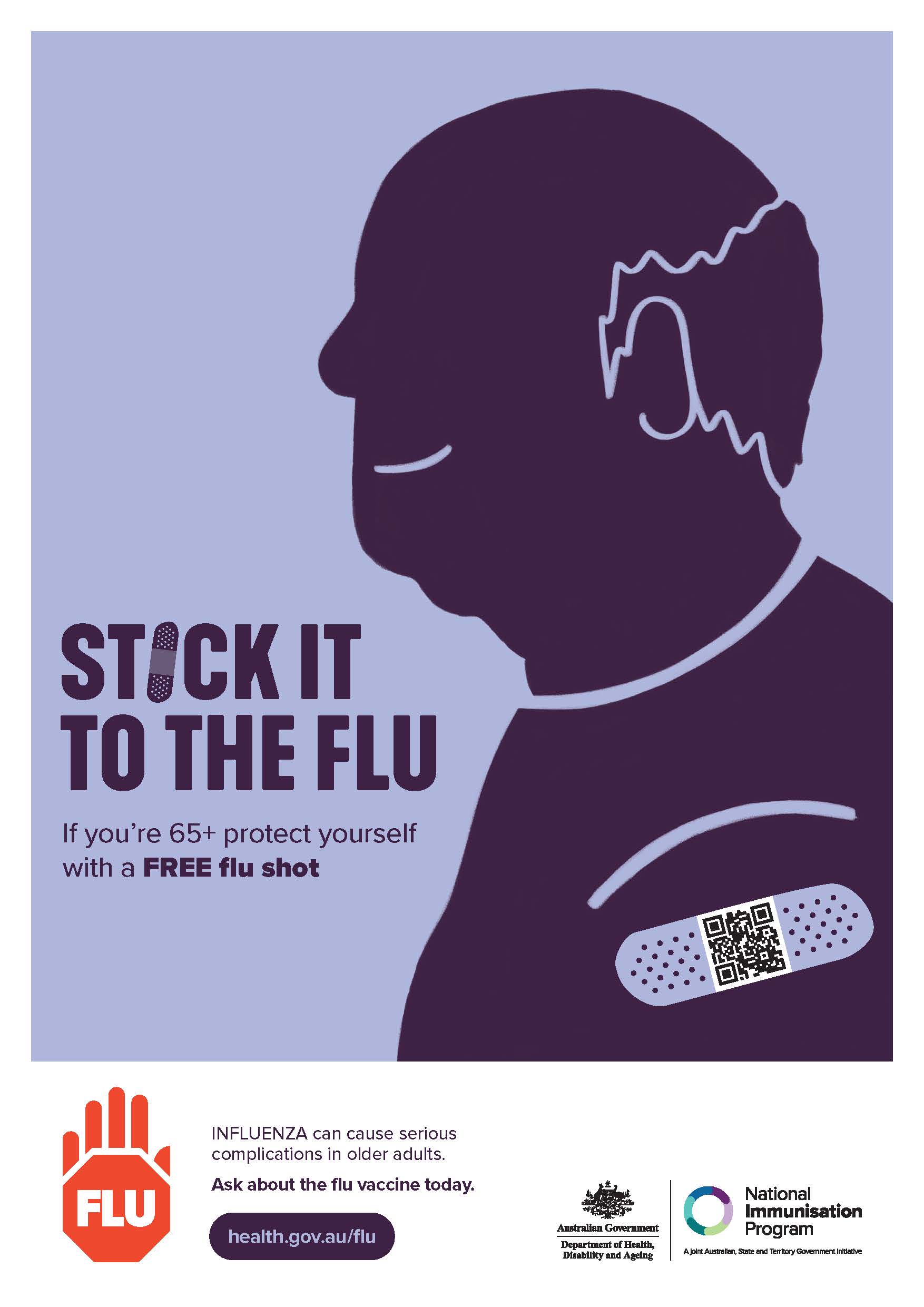
The Australian Centre for Disease Control reported a 65 per cent drop in notified influenza cases between January 1 and May 31, 2026, compared to the same period in 2025. While early numbers are low, health experts warn that the fast-moving Super-K strain and declining vaccination rates could trigger a severe winter wave.
The raw data suggests a reprieve, but the medical community is treating the current lull as a dangerous illusion. According to the Australian Broadcasting Corporation, there were 33,071 cases detected in the first five months of 2026, a stark contrast to the 96,422 cases recorded during the same window in 2025.
The 2025 season was a catastrophe by modern standards. It stands as the deadliest influenza year this century, with 1,701 associated deaths. To put that in perspective, that figure exceeds the national road toll by approximately 400 deaths.
The Super-K Variant and H3N2 Dominance
Michael Woodward
The current drop in numbers does not mean the virus has become less potent. In fact, the strain currently circulating is one of the most aggressive. Nine.com.au reports that H3N2—a subtype associated with severe epidemics and higher death rates—now accounts for 75.6 per cent of flu viruses this season.
Within this H3N2 group is the emerging Super-K variant. Despite the overall decline in case numbers, this fast-moving strain is responsible for the majority of current infections. The risk is not evenly distributed; adults over 65 represent about 20 per cent of H3N2 cases, making them the primary target for severe complications.
“Flu is sometimes dismissed as a bad cold, but for older adults it can be much more serious,”
Michael Woodward, Austin Health associate professor
The danger for this demographic is not just the infection itself, but the potential for rapid hospitalization. Woodward emphasizes that if H3N2 continues to dominate, those 65 and over must coordinate with healthcare professionals to mitigate their risk.
Population Immunity and the Delayed Peak
cluster (priority): Nine.com.au
If the virus is still aggressive, why are the numbers so low? The Australian Centre for Disease Control (ACDC) points to a combination of “increased population immunity” and a decrease in overseas importations. Because so many people were infected during the record-breaking 2025 season, a larger share of the population now possesses natural defenses.
However, this immunity may only be pushing the problem further down the calendar. Deakin University Epidemiology Chair Catherine Bennett suggests that this widespread immunity will likely delay the seasonal peak until later in the year.
“That does buy time for [more] vaccination,”
Catherine Bennett, Deakin University
This window of opportunity is critical. Bennett argues that if the public uses this time to “top up” the boosting they received at the end of last year, the winter wave could be kept in check in ways previously impossible.
The trend is already shifting. In the final two weeks of May, health authorities reported 1,903 new flu cases—a 15 per cent increase over the previous fortnight. The virus is waking up.
Vaccination Gaps and the RSV Surge
Experts advise people to get flu shot as flu cases rapidly rise | Nine News Australia
While the ACDC sees a path to controlling the winter wave, the current vaccination data is discouraging. Coverage is lagging significantly behind the levels needed for herd protection.
The decline in vaccine uptake is a systemic issue. Bupa found that only about one-in-three Australians now receive flu shots, a meaningful drop from the more than half who were vaccinated before the COVID-19 pandemic.
Compounding the flu risk is the current dominance of respiratory syncytial virus (RSV). While flu cases have plummeted, RSV is currently driving the majority of hospital admissions. Of the 2,273 people admitted to hospitals with respiratory infections in the year leading up to May 17, almost half were admitted with RSV.
Mater infectious diseases physician Paul Griffin notes that we have better tools to fight RSV than in previous years, including monoclonal antibodies for infants and specific vaccines for pregnant women and older adults. However, the overlap of an RSV surge and a delayed, H3N2-driven flu peak creates a volatile environment for the healthcare system.
Avoiding the Lull
cluster (priority): Australian Broadcasting Corporation
The overarching fear among epidemiologists is complacency. When the public sees a 65 per cent drop in cases, the instinct is to assume the threat has vanished.
“Part of that is because we had an extraordinary flu year last year with record-breaking numbers and lots of activity also outside of the usual season,”
Professor Paul Griffin, Mater infectious diseases physician
Griffin warns that the community must not be “lulled into a false sense of security.” The combination of low vaccination rates among working-age adults and the potency of the Super-K strain means that the “below average” start to the season is not a guarantee of a mild winter.
With the peak expected to shift later into the year, the next few weeks are the primary window for intervention. For those in high-risk groups, particularly the elderly, the priority is clear: consult a GP or pharmacist to ensure vaccinations are current before the delayed wave arrives.
Disclaimer: This article is for informational purposes and does not constitute medical advice. Please consult your healthcare provider for vaccination and treatment guidance.