
Joshua Haines, 30, was found dead at his home in Leeds three days after calling his GP three times to warn he might have life-threatening diabetes.
He had no prior history of the condition but reported worsening symptoms including severe dehydration, vomiting, and slurred speech on March 16, 2025. Despite raising concerns about a possible diabetes diagnosis, the GP advised him to call NHS 111 instead of arranging an in-person assessment. An inquest at Wakefield Coroner’s Court confirmed he died from diabetic ketoacidosis, a complication of undiagnosed type 1 diabetes.
Assistant coroner Naomi McLoughlin stated there had been “missed opportunities” to secure him urgent medical help, though she could not confirm these directly caused his death. Senior paramedic Daniel Lawton testified that ambulance crews would likely have identified the condition, initiated rehydration, and transported him to hospital as an emergency had he been classified appropriately.
The inquest heard that had his symptoms been reported correctly, he would have met the criteria for a category two emergency, requiring an ambulance response within 40 minutes. Dr Saleh Majid, the GP who spoke to Haines on three occasions, admitted he initially suspected a stomach bug due to persistent vomiting and acknowledged in hindsight that he could have acted differently.
Speaking after the hearing, Haines’ sister Jessica Parker said the family was “deeply disappointed and devastated,” adding that their sole hope from the inquest was to prevent other families from enduring similar loss. She described her brother as someone who had trusted the medical system and been failed by it at a critical moment.
This case echoes concerns raised in previous inquests about delays in recognizing diabetes symptoms in young adults, particularly when presentations mimic gastrointestinal illness. In 2022, a similar inquest into the death of a 28-year-old man in Manchester highlighted failures to consider type 1 diabetes despite classic warning signs, prompting local NHS trusts to review triage protocols.
The Extended Access service that handled Haines’ calls came under scrutiny during the proceedings, with an investigating doctor noting that “red flags were missed” in the assessment. The service provides out-of-hours GP advice and is designed to manage non-emergency cases, but the inquest heard that its clinicians may lack sufficient training to recognize atypical presentations of serious conditions like diabetic ketoacidosis.
Dr Majid reflected that while diabetes had been considered as a possible cause, he felt unable to determine how advanced the condition had become and did not perceive it as immediately life-threatening at the time of consultations. He said the experience had prompted personal and professional reflection on diagnostic caution in ambiguous cases.
What is diabetic ketoacidosis and why is it dangerous?
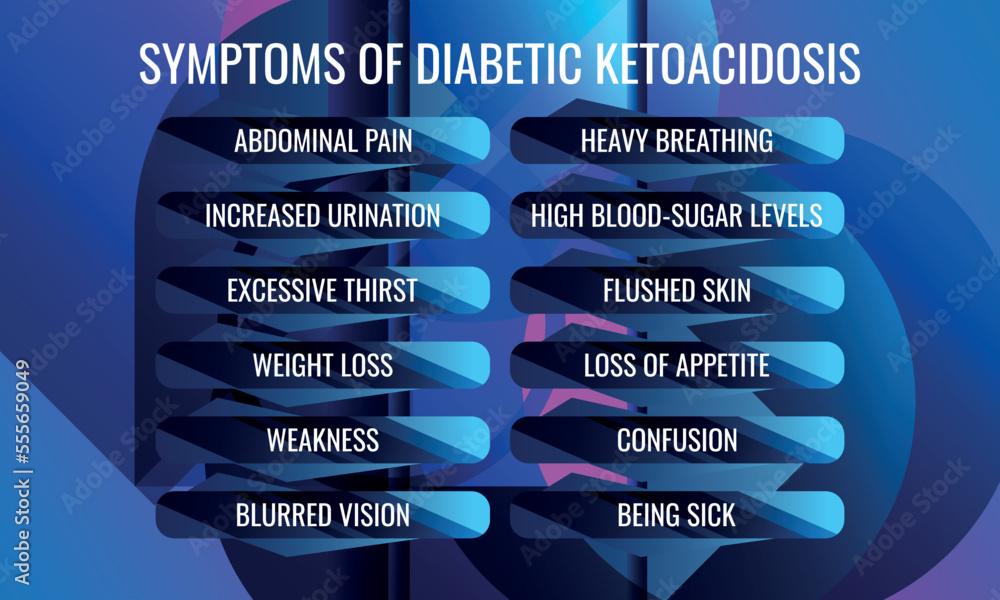
Diabetic ketoacidosis is a serious complication of diabetes that occurs when the body produces high levels of blood acids called ketones due to insufficient insulin. It can lead to coma or death if not treated promptly with fluids, insulin, and electrolyte replacement.

Could Joshua Haines have been saved with earlier intervention?
According to testimony from senior paramedic Daniel Lawton and Yorkshire Ambulance Service representative Claire Lindsey, had Haines’ symptoms been correctly assessed, he would likely have been classified as a category two emergency, meaning ambulance crews could have reached him within 40 minutes and initiated life-saving treatment including rehydration and hospital transfer.
