
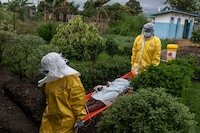
The U.S. government has implemented a temporary ban on the entry of green-card holders who traveled to the Democratic Republic of Congo, Uganda, or South Sudan within the last 21 days. This emergency measure aims to prevent the introduction of an Ebola virus variant that currently lacks a specific vaccine or treatment.
Expansion of Entry Restrictions to Lawful Permanent Residents
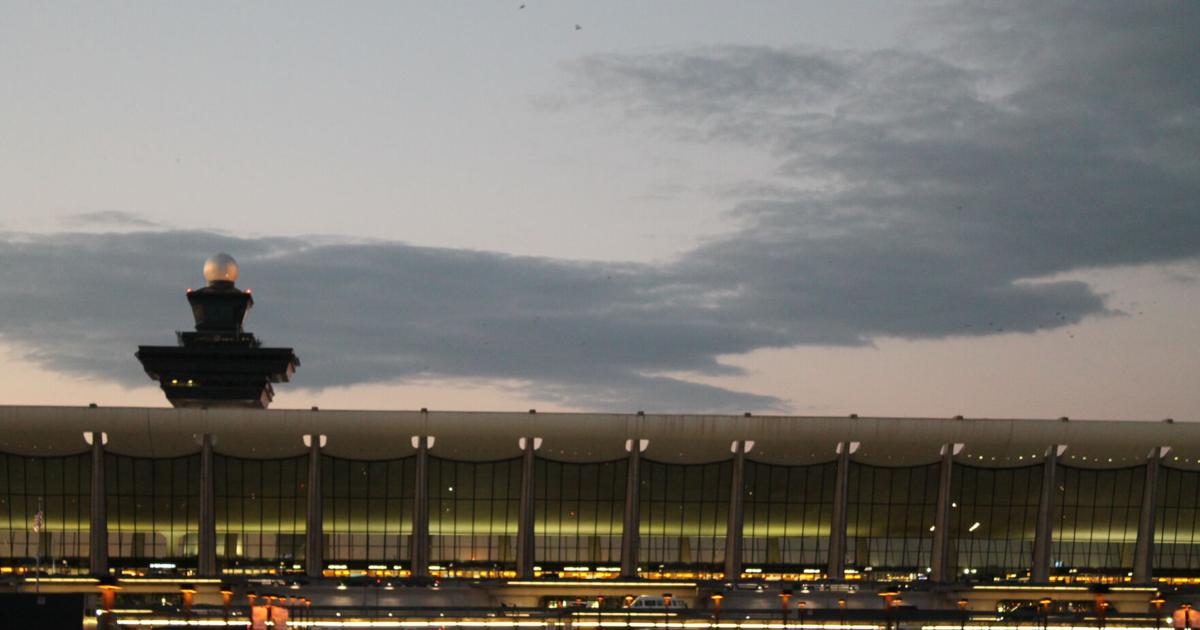
Strategic Screening Hubs: Dulles, Houston, and Atlanta
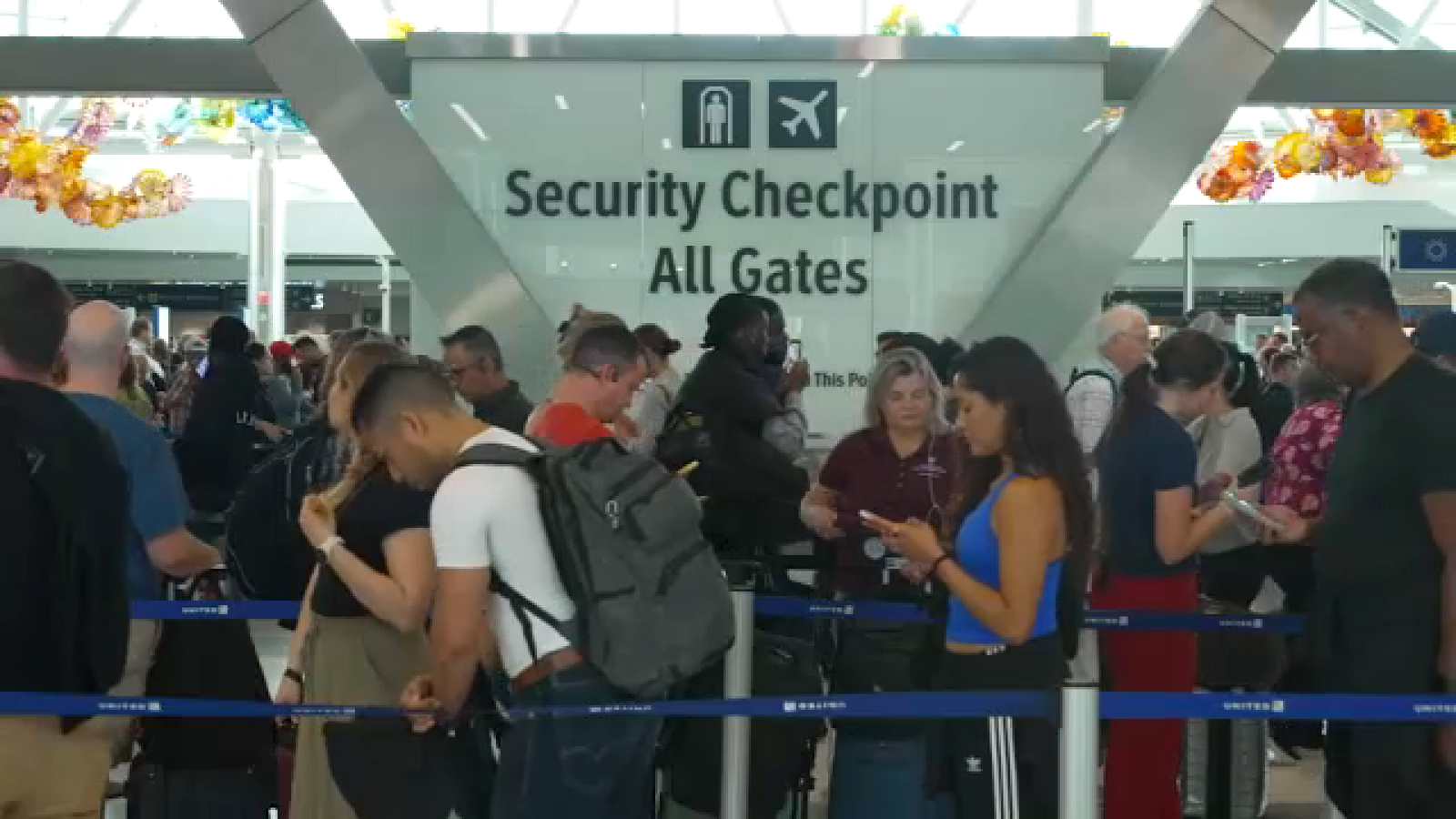
Because there are no direct flights from the affected countries to Dulles International Airport, the Department of Homeland Security has established a mandatory rerouting protocol. InsideNoVa.com noted that a new rule took effect at 11:59 p.m. on Wednesday, requiring certain U.S.-bound passengers to first travel to Dulles for enhanced Ebola screening. The screening process is not limited to the Washington, D.C. area. The U.S. Customs and Border Protection (CBP) has designated three primary entry points for these health measures:- Dulles International Airport (IAD)
- Bush Intercontinental Airport (IAH) in Houston
- Hartsfield-Jackson International Airport in Atlanta
“Travelers that have been in the DRC, Uganda, and South Sudan in the 21 days before their flight and are scheduled to travel to the United States while screening is taking place will be contacted by their airline to rebook travel to IAD,” according to a CDC statement released late Thursday morning.
For more on this story, see Most people seeking green cards must now apply from outside US.
CDC, via InsideNoVa.com According to ABC13 Houston, Bush Intercontinental Airport will implement these screenings for any passenger who has been in the Congo, Uganda, or South Sudan within the last three weeks. While the agency has not specified why Houston was selected alongside Dulles and Atlanta, the additional measures are set to begin on Tuesday night. Notably, these restrictions do not apply to airline crew members or flights carrying only cargo.World Cup Preparations and the Congo Team “Bubble”
The timing of these health restrictions adds a layer of complexity to upcoming international sporting events. In Houston, the implementation of enhanced screenings at IAH comes just weeks before the city is set to host visitors for the World Cup. One specific concern involves the national soccer team from the Congo, which is scheduled to compete in Houston. Ensuring the safety of the athletes and the local community has become a high priority for federal organizers.“We’ve been very clear to Congo, they should maintain the integrity of their bubble for 21 days before they can come to Houston on June 11,” Andrew Giuliani said. “If they introduce someone new to that bubble who may have to be to Congo, and they are showing symptoms, it does risk the team being able to come in.”
Managing the Risk of Disease Importation
Despite the sweeping nature of the bans and the mandatory screenings, federal health agencies are maintaining a measured stance regarding the immediate threat to the American public.“The risk for importation of Ebola virus to the United States is low at this time,” according to the new CDC statement.

“However, public health entry screening is part of a layered approach that, when used with other public health measures already in place to detect ill arriving travelers, can slow and the reduce the spread of disease into the United States.”
