Audi is launching the next-generation Q7 and SQ7 for the 2027 model year, introducing the new Premium Platform Combustion architecture and electrified diesel engines. The luxury SUV now features a six-seat configuration with captain’s chairs and advanced Digital Matrix LED lighting, though it officially cedes its flagship status to the upcoming Audi Q9.
Muscular Design and the Split-Headlight Pivot
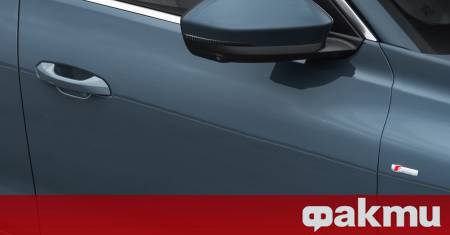
Photo: Fakti.bg
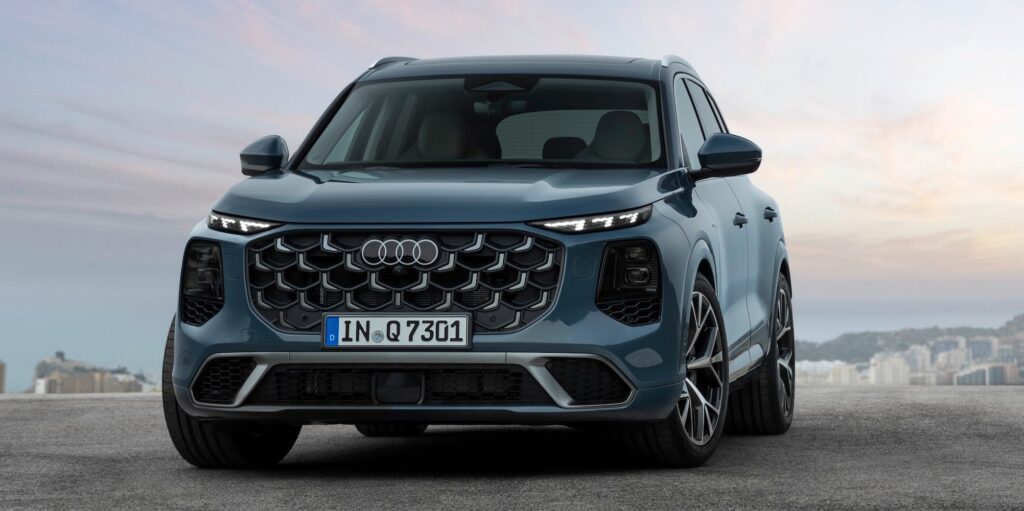
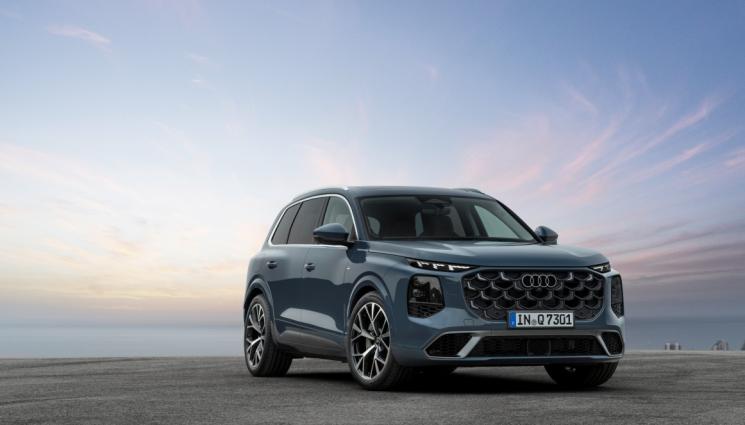
The third-generation Q7 departs from its predecessor with a bolder, more muscular silhouette. According to Fakti.bg, the vehicle adopts a controversial split-headlight configuration, placing thin daytime running lights high near the hood line while the primary Matrix LED headlights are positioned lower in the front bumper. This design shift is complemented by a larger Singleframe grille—available with illumination as an option—and a raised hood.
The vehicle’s profile emphasizes its quattro heritage through more pronounced wheel arches and side reliefs that taper toward the D-pillar. At the rear, the design mirrors the A6, featuring a full-width LED light strip and an illuminated logo.
Lighting technology serves as a primary differentiator for the 2027 range. Carmarket.bg reports the inclusion of third-generation OLED rear lights that allow drivers to choose from eight different customizable light signatures. Additionally, the new projection systems can display warnings and information directly onto the road surface.
Electrified Diesel Powertrains and SQ7 Performance
Photo: Topgear.bg
Audi continues to rely on diesel power for the Q7, but integrates modern electrification to bridge the gap toward electric vehicle feel. The standard Q7 will launch with a 3.0-liter V6 TDI engine available in two power outputs: 245 hp and 299 hp. Both versions utilize the MHEV Plus mild-hybrid system, which employs a next-generation generator providing up to 24 additional horsepower and 370 Nm of extra torque.
To combat the traditional lag associated with turbochargers, Audi has implemented an electrically driven compressor, which ensures faster response at low speeds.
For those seeking higher performance, the SQ7 enters the 2027 lineup with a more aggressive setup. As reported by Topgear.bg, the SQ7 features a 2.9-liter twin-turbo V6 engine producing 429 hp and 599 Nm of torque.
Model
Engine
Horsepower
Key Tech
Q7 (Base)
3.0L V6 TDI
245 hp / 299 hp
MHEV Plus / Electric Compressor
SQ7
2.9L V6 Twin-Turbo
429 hp
Quattro AWD / 8-Speed Auto
Premium Platform Combustion and Chassis Dynamics
2027 Audi Q7 Rumors Explained — Electrified Power, New Tech & Bold Redesign?
The 2027 models are built on the Premium Platform Combustion, an evolution of the established MLB Evo architecture. This structural change has resulted in a vehicle that is slightly longer and wider, with a straighter roofline that increases overall height.
Handling is managed by a standard Quattro all-wheel-drive system and an eight-speed automatic transmission. A significant mechanical update is the new limited-slip center differential with added pre-load, which officials claim improves steering response and grip under load.
Suspension options are tiered based on user preference:
Standard: Multi-link suspension with steel springs at the front and rear.
Optional: Adaptive air suspension for increased family comfort.
Digitized Interior and Flexible Seating
Photo: Carmarket.bg
The cabin has been completely redesigned, borrowing elements from the new A6 and Q5. The dashboard is dominated by screens, including a digital instrument cluster and a curved OLED main display, with an additional screen dedicated to the front passenger. To enhance the user experience, Audi has integrated a voice support system powered by ChatGPT.
For the first time in the model’s history, the Q7 offers a six-seat configuration featuring captain’s chairs in the second row. While this reduces total capacity, it increases comfort for second-row passengers. The vehicle also continues to offer traditional five- and seven-seat layouts.
Cargo capacity varies significantly based on the chosen configuration. According to automedia.investor.bg, the five-seat version provides 806 to 2,075 liters of space, while the seven-seat version offers 722 to 1,980 liters. However, Topgear.bg notes that with all three rows of seats in use, the cargo space drops to 428 liters, expanding to 1,243 liters when the third row is folded.
Additional luxury touches include electric doors equipped with sensors to prevent collisions with obstacles, such as cyclists, and new interior color options including stone beige.
The Shift in Corporate Hierarchy
While the 2027 Q7 represents a significant technological leap, its role within Audi’s portfolio has fundamentally changed. For years, the Q7 served as the brand’s flagship SUV. However, the new generation marks a strategic transition.
The Q7 will now officially hand the flagship crown to the Audi Q9. This repositioning suggests that while the Q7 remains a benchmark for luxury family SUVs, Audi is moving toward a larger, more opulent tier to compete at the absolute top of the premium segment. With sales expected to begin this summer, the Q7 moves from being the pinnacle of the range to a core luxury offering.