

Mr. Lang Viet Cuong (hometown of Chi Lang, Lang Son – currently living and working in Hanoi) said that when it comes to sausage in Hanoi, many people are no longer unfamiliar with Uoc Le sausage, especially sausage. Cinnamon rolls are grilled golden brown, fragrant, “mouthwatering” to look at, then silk rolls, head rolls, ear rolls, pork rolls, fat rolls… are also not rare. However, when looking to buy a piece of pork sausage wrapped in mo cau, it is rare to find one to buy.
Mo cau mang spring rolls have a unique aroma different from other traditional leaf-wrapped spring rolls. Photo: NVCC
People still call it “gio mo cau” for short because this dish is wrapped in dried areca mocha – a long-standing dish made by people in suburban districts and towns on holidays and New Year. The dish called mo cau sausage is best known in Nhoi village (Dong Anh district, Hanoi). There are still a few families here that produce and sell at some points in the inner city, but the quantity is not much because the areca leaves are not always available. The areca tree sometimes takes several months to lose a single leaf, so people have to gradually accumulate it.
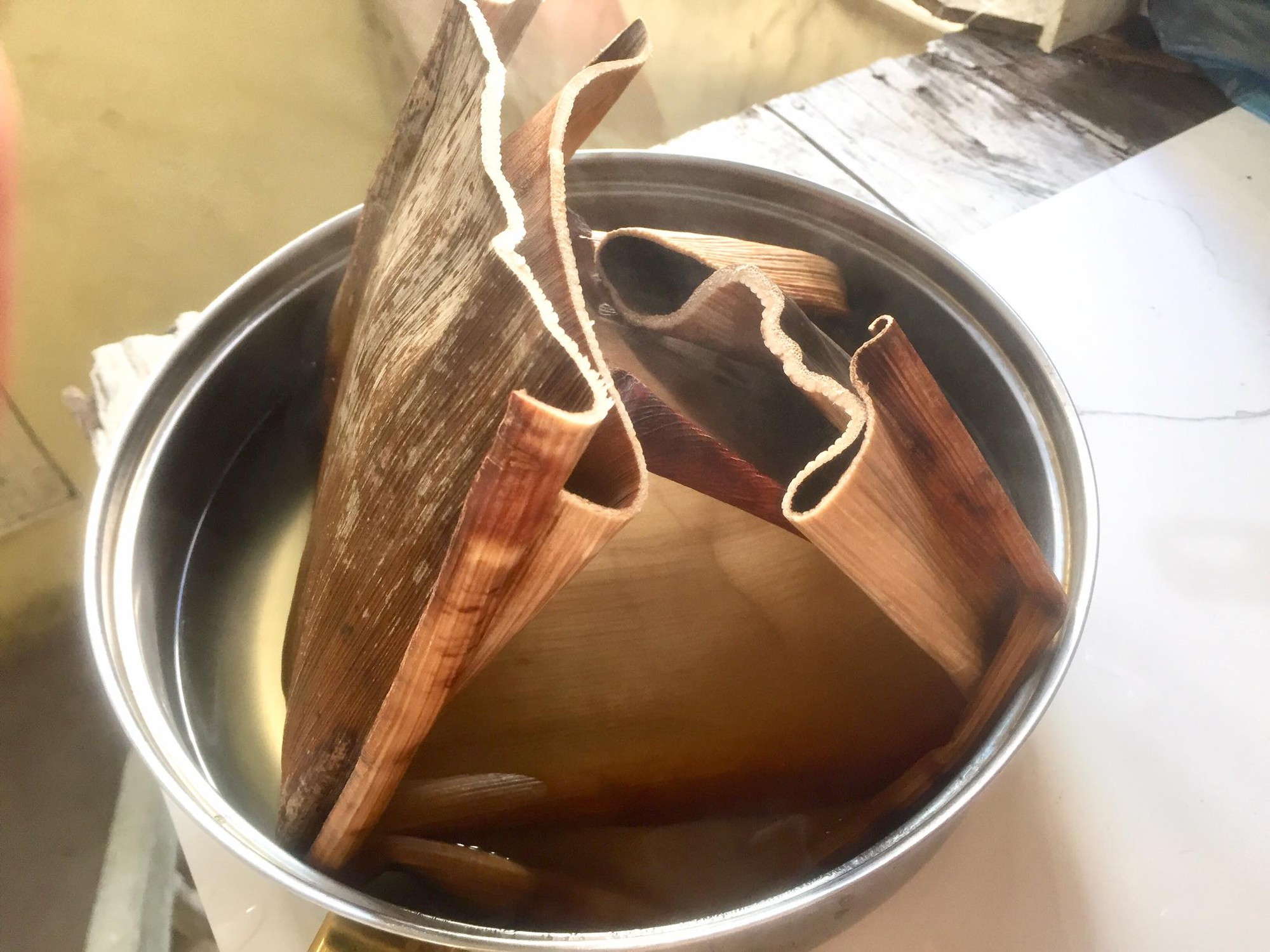
The areca leaves are washed and soaked in water until soft. Photo: NVCC
Before wrapping the golden dried areca leaves into sausages, they must be washed and soaked in water until soft. Some people are more careful and even add the step of blanching in boiling water to make it fragrant. Be careful and add a little lemon to the boiling water. Then let it drain before wrapping.
According to Mr. Cuong, if you get the leaves of the areca flower, the spring rolls will have a rich fragrance because the stems of the flowers have been rolled for a long time, so the flavor can be kept for a long time.
How to wrap crispy, fragrant mo cau sausage for Tet
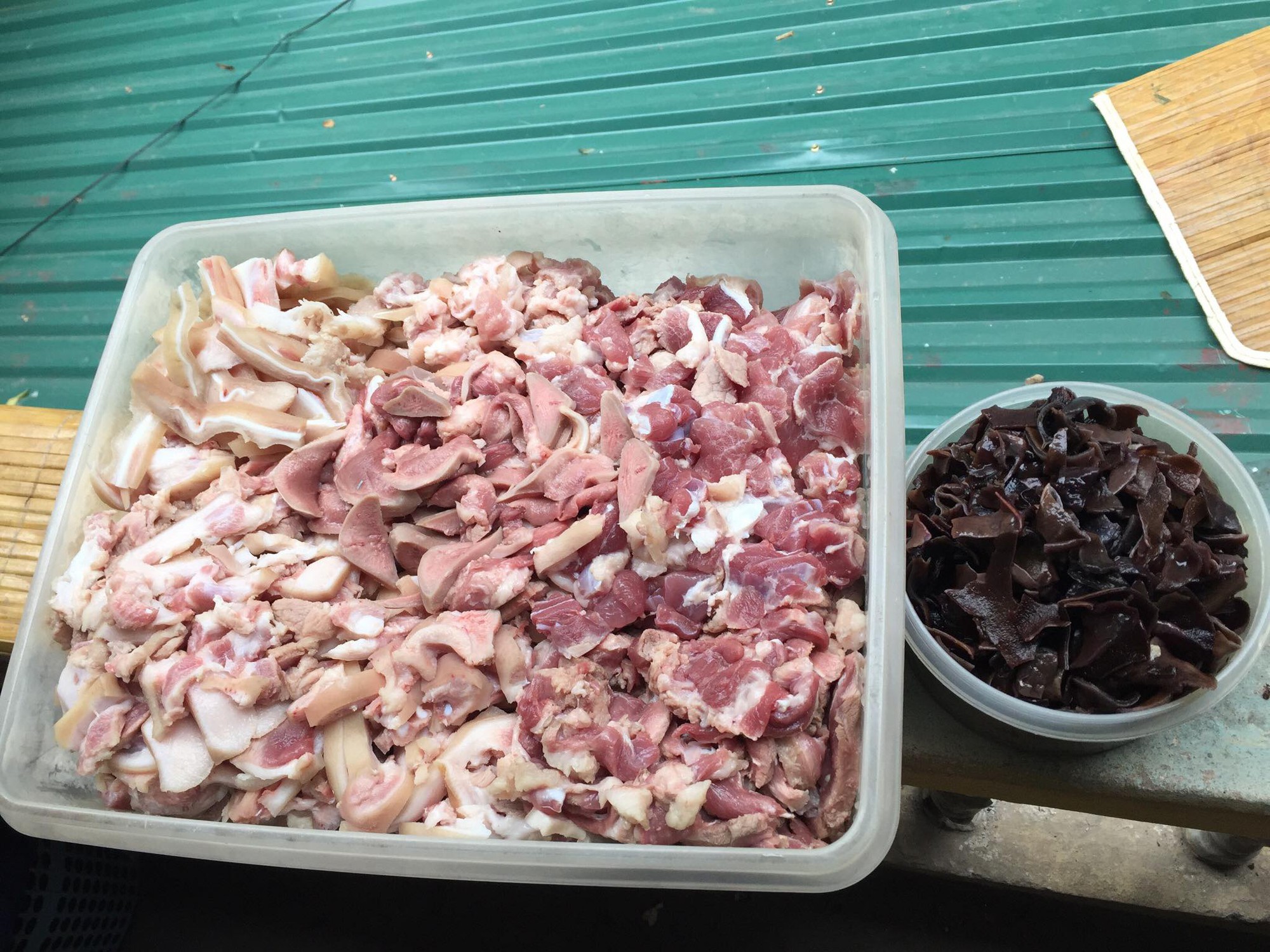
The meat used to wrap pork sausage is usually lean pork leg meat, with some pork cheeks, ears, nose, and tongue added to create a crispy texture. Photo: NVCC
The meat to wrap is mostly lean pork leg meat cut into suitable pieces, mixed with a little bit of cheeks, ears, nose, and tongue to create crispness and adhesion. Then season to taste, marinate to taste, add ground pepper, peppercorns for aroma and stir-fry until cooked.
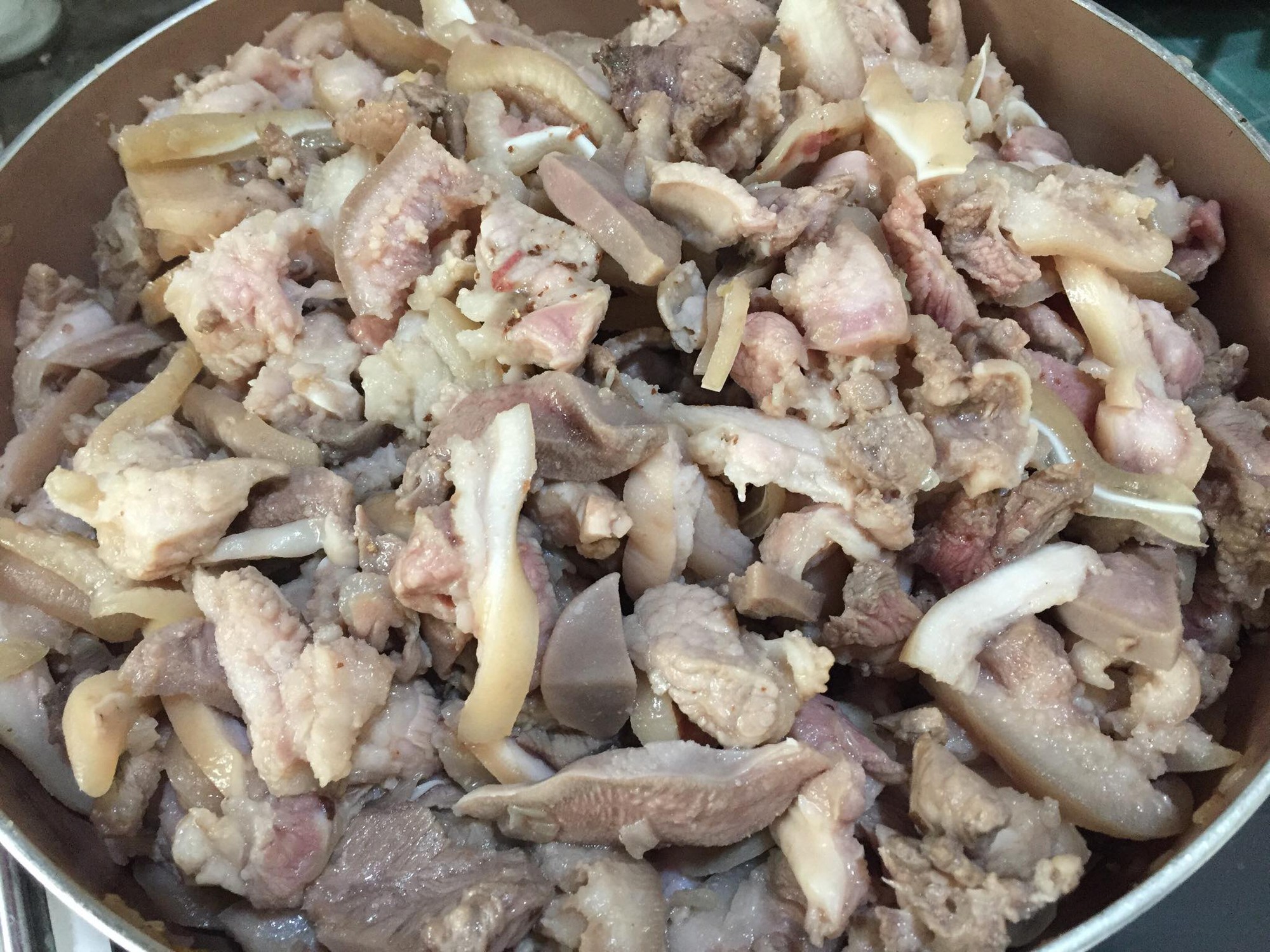
Meat should be stir-fried until just cooked, not overcooked. Photo: NVCC
With the sausage wrapped in mo cau, people will skillfully stir-fry it until it’s just cooked, not overcooked, so that it retains its stickiness while still being crispy, especially the color of the pork leg meat must be bright pink. The meat will be placed in the inner part of the areca mou layer, then rolled up, fixed tightly with la giang, then hung upside down to drain off all the fat. Just wait 1-2 days and then you can cut into slices for use.
The special and unique thing only exists in gio mo cau
At first glance, gio mo cau is not much different from gio thu or gio tai, but when enjoyed, this unique leaf-wrapped gio is a unique, rustic flavor experience that is hard to describe.
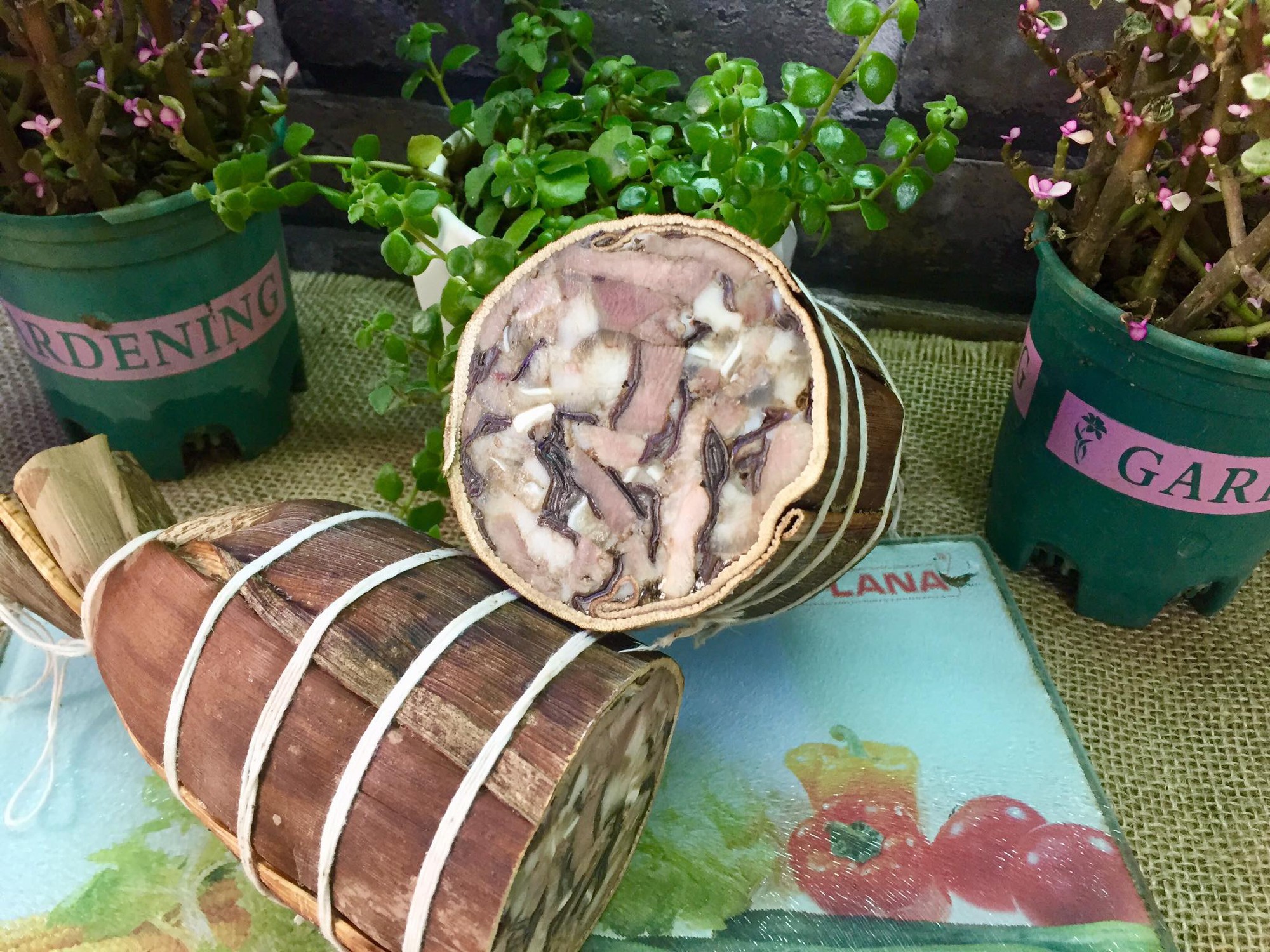
When cutting sausage, people often cut the meat too. Photo: NVCC
When cutting sausage, we will also cut the skin. Another very interesting detail is that after peeling off the areca leaves and rolling them around the sausage, the thin white membrane of the areca leaves will adhere tightly to the sausage, helping to create a very pleasant field fragrance. Gio mo cau is drier and less fatty than stir-fried sausage, has a cool taste, is easy to eat and is not greasy.
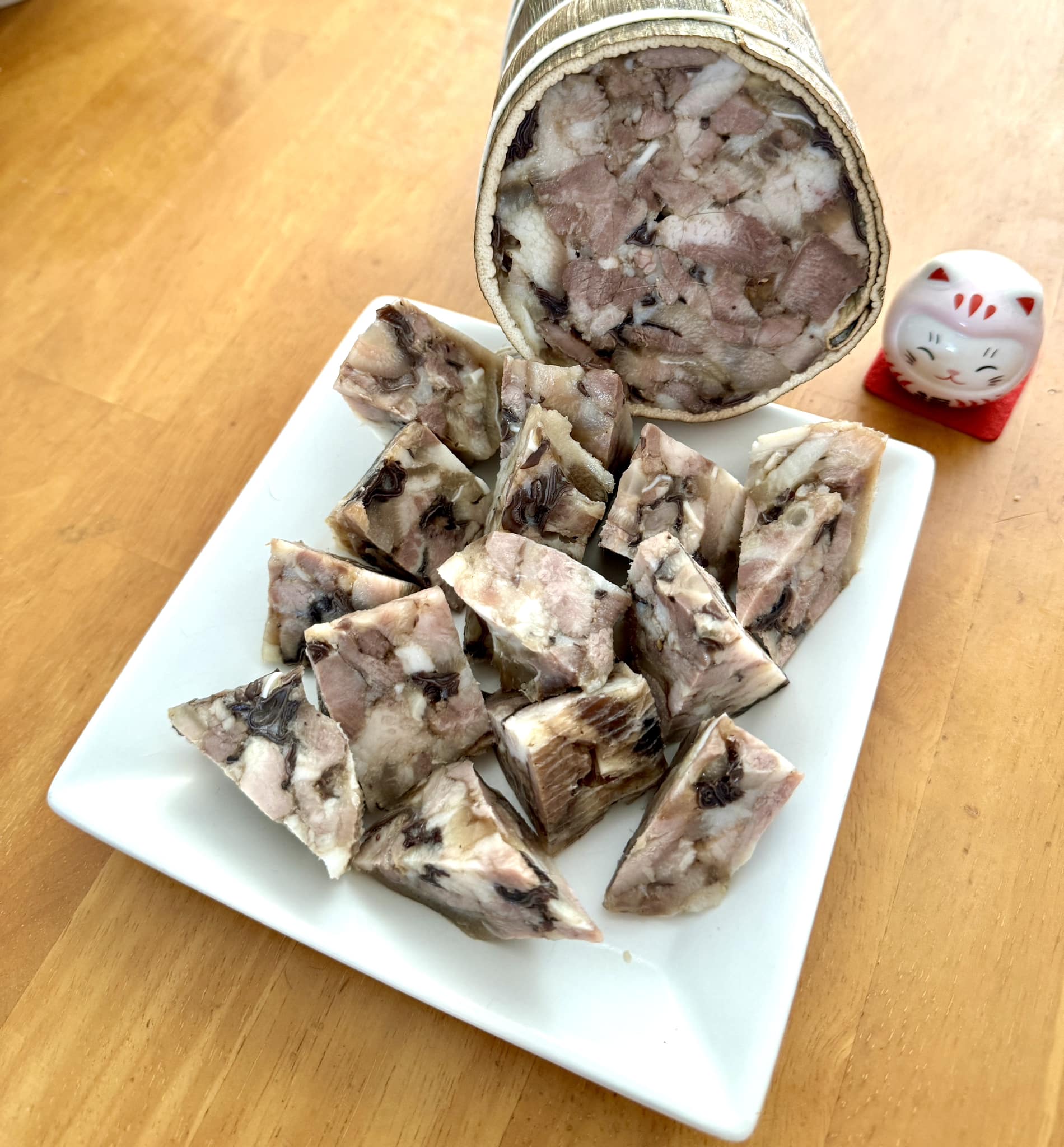
The crispy, fragrant areca sausage with the faint aroma of areca will definitely be a dish to serve on Tet holiday. Photo: NVCC
“Even though the areca sausage is so delicious, unfortunately it is not always available because now with urbanization, garden land is shrinking, few families still have land to grow areca nuts so they can have sausage to wrap the sausage. So who did it?” Once you try this dish, you will never forget it,” the young man who is passionate about food confided.
