
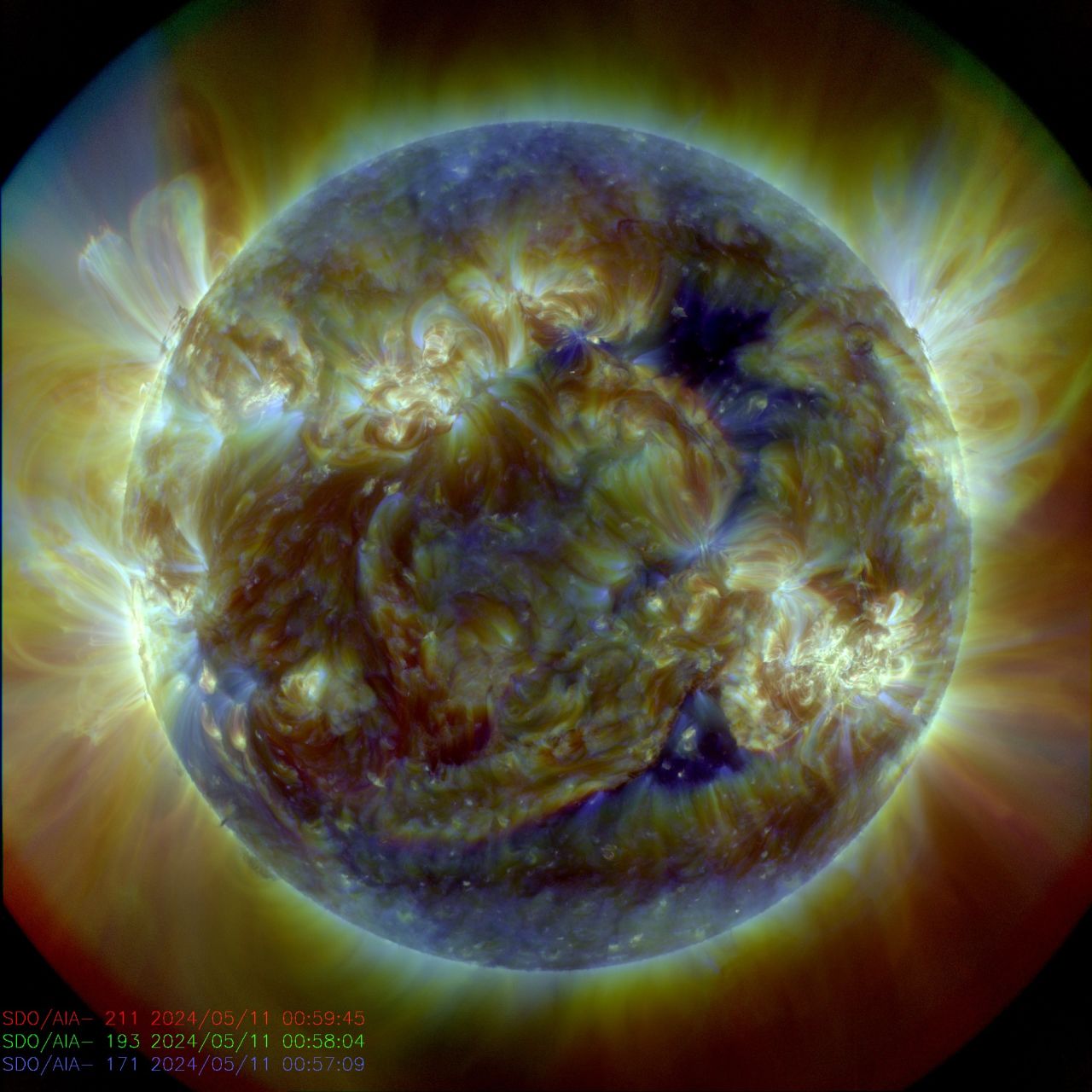
Charged particles from a coronal hole on the Sun are set to collide with Earth’s magnetic field this weekend, potentially triggering auroras visible as far south as Illinois, and Oregon.
The National Oceanic and Atmospheric Administration’s Space Weather Prediction Center issued alerts after a large opening formed in the Sun’s corona, allowing high-speed solar wind to stream toward Earth. When these particles interact with atmospheric gases near the poles, they excite oxygen and nitrogen molecules, which release energy as shimmering curtains of green, red, blue, and purple light.
NOAA forecasts moderate (G2) geomagnetic storm conditions beginning Friday evening and lasting into early Saturday, with the aurora likely visible across 18 states under clear skies. The list includes Alaska, Idaho, Iowa, Illinois, Maine, Michigan, Minnesota, Montana, Nebraska, New Hampshire, New York, North Dakota, Oregon, South Dakota, Vermont, Washington, Wisconsin, and Wyoming — with potential sightings also possible in Indiana, Ohio, and additional northern regions.
The timing coincides with a new moon, minimizing light pollution and enhancing viewing conditions for those willing to venture away from city lights. Experts recommend checking NOAA’s aurora dashboard and three-day forecast for real-time updates, as space weather predictions remain inherently uncertain and can shift rapidly.
For photography, officials advise using a DSLR or mirrorless camera, or smartphone night mode settings, with stabilization and the main lens preferred over ultra-wide angles to capture detail without distortion.
While not unprecedented, events of this scale are infrequent; the last comparable display in 2023 brought auroras as far south as Colorado and Arizona under stronger storm conditions. This weekend’s forecast, while less intense, still offers a rare opportunity for many to witness a phenomenon typically confined to higher latitudes.
How coronal holes on the Sun trigger auroras on Earth
Coronal holes are regions where the Sun’s magnetic field opens outward, allowing solar wind to escape at speeds exceeding 500 kilometers per second. Unlike solar flares, which are explosive bursts of energy, coronal holes produce steadier streams of charged particles that can persist for days as the Sun rotates.
When this prompt solar wind reaches Earth, it distorts the planet’s magnetosphere, funnelling particles toward the polar regions where they collide with atmospheric gases. The resulting light emission is what we see as the aurora borealis in the Northern Hemisphere and aurora australis in the South.
What the Kp index tells us about aurora visibility
The Kp index, a global measure of geomagnetic activity on a scale from 0 to 9, helps forecasters estimate how far south the aurora might be visible. A Kp of 5 or higher typically indicates potential visibility in northern U.S. States, while values of 7 or above may bring the lights into the central U.S.
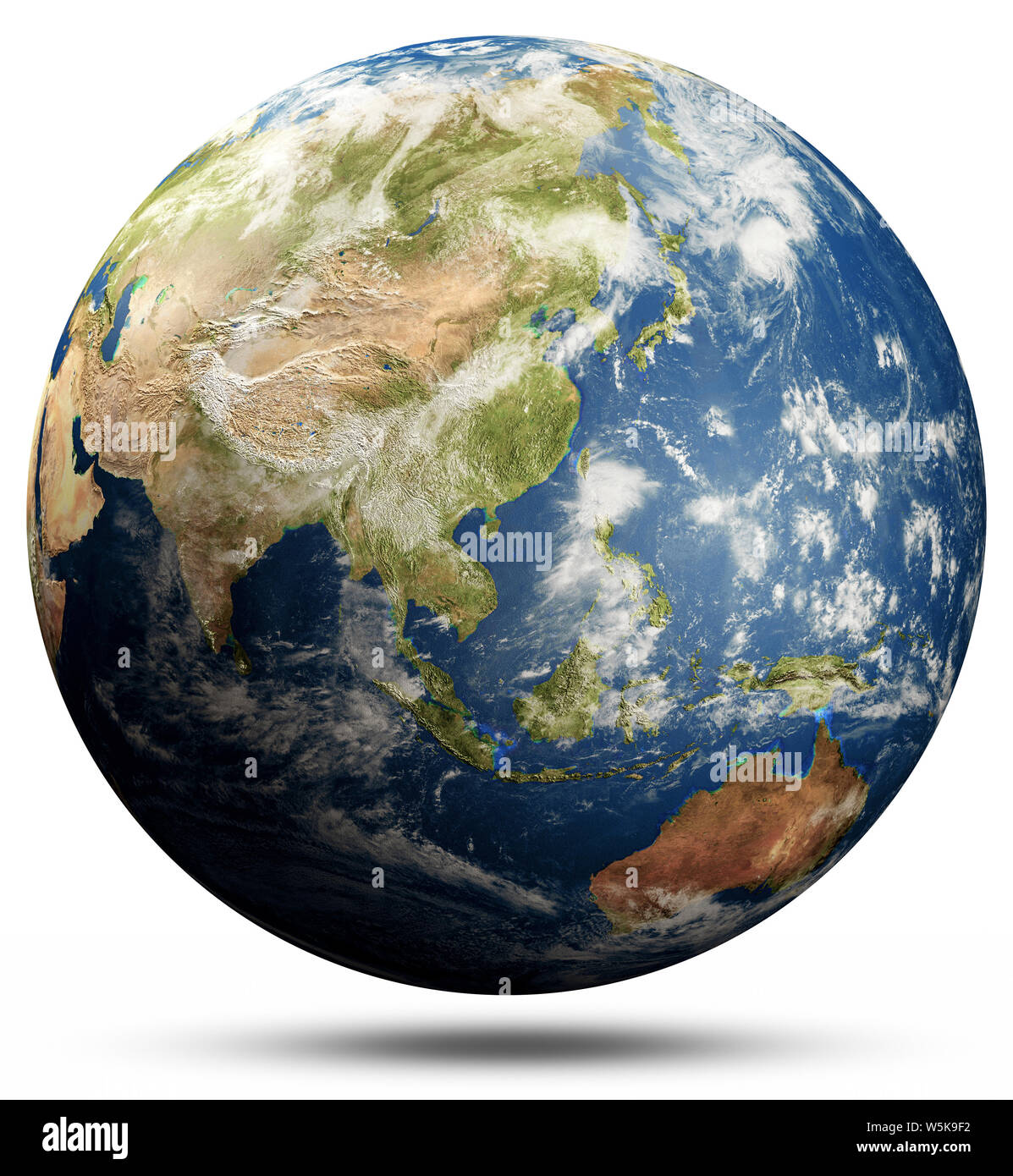
For this event, NOAA predicts Kp values reaching 6, consistent with a G2 storm — strong enough to push the auroral oval southward but not intense enough to risk significant infrastructure disruption.
Why radio blackouts are a possible side effect
Elevated geomagnetic activity can interfere with high-frequency radio signals by disturbing the ionosphere, the layer of the atmosphere that reflects these waves for long-distance communication. During moderate storms like this one, brief blackouts may occur, particularly on sunlit portions of the Earth and at higher latitudes.
While not expected to disrupt aviation or emergency services significantly, amateur radio operators and some maritime users may experience temporary signal degradation, especially during the peak of the storm Friday night into Saturday morning.
Will the aurora be visible in cities like New York or Chicago?
It is unlikely but not impossible; under optimal conditions with a strong enough surge, faint auroral glow has been seen on the northern horizon in major northern cities during past events. However, light pollution and geographic latitude make sustained, overhead displays improbable in urban areas this weekend.

How often do coronal holes produce auroras visible in the U.S.?
Coronal holes form regularly and can trigger auroras several times a year, but only the largest and most Earth-aligned ones produce displays visible south of the Canadian border. Events bringing visibility to the central U.S. Occur only a handful of times per decade.
