

President Bassirou Diomaye Faye dismissed Prime Minister Ousmane Sonko and his government on May 23, 2026, triggering a political crisis in Senegal. Following the resignation of National Assembly President El Malick Ndiaye, a legal debate has emerged regarding whether Sonko can reclaim his parliamentary seat to lead the legislature.
The Fracture of the Diomaye-Sonko Duo
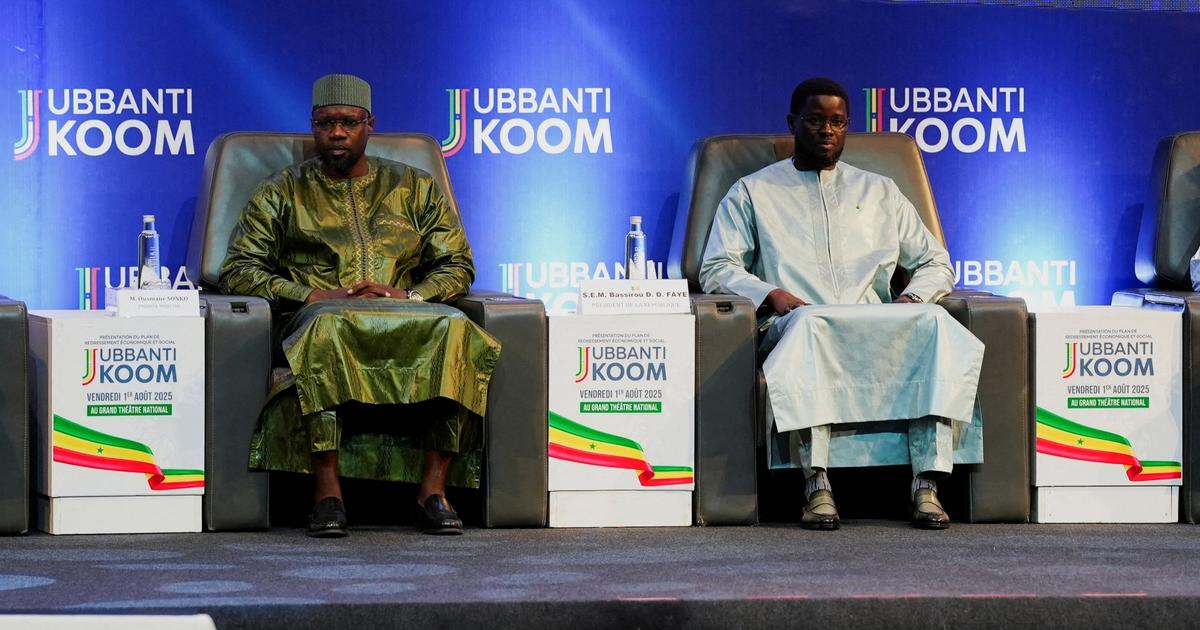
The political partnership that defined the recent rise of the Pastef party has collapsed. For years, the duo operated under the slogan "Diomaye is Sonko," a Wolof phrase signifying their inseparable bond. This alliance helped propel them to power in April 2024 as a rejection of the previous administration led by Macky Sall.

However, L’Humanité reported that the relationship between the two men, allies for twelve years, deteriorated significantly during their two years in office. The partnership that once embodied the hope for a radical break from the old system is transforming into a political duel.
The split became visible as early as July 2025, when Sonko publicly criticized what he described as a "problem of authority" within the country. By early May 2026, President Faye had countered these tensions by criticizing the "excessive personalization" of Sonko’s role within the ruling party.
Legal Disputes Over Parliamentary Status
The dismissal of Sonko as Prime Minister on May 22 has created a constitutional conundrum. As the leader of the majority party in Parliament, Sonko’s ability to influence the legislative branch depends on his status as a deputy.

According to RFI, a legal debate is currently raging over whether Sonko can regain the seat he won in the November 2025 legislative elections.
The core of the dispute is the incompatibility of the roles. Because Sonko was already serving as Prime Minister when he was elected as a deputy, some jurists argue he automatically lost his parliamentary mandate. They contend that he should have formally resigned from the Prime Minister’s office to validate his election as a deputy before being reappointed to the premiership.
The Pastef party disputes this interpretation. They have pointed to a letter in which Sonko requested the suspension of his parliamentary mandate, arguing that his seat remains valid. This debate complicates the election of the new National Assembly president, scheduled for May 26.
The Pastef Majority and Legislative Gridlock
The timing of this crisis is critical. Following the resignation of El Malick Ndiaye on May 24, the National Assembly must elect a new president. With Pastef holding 130 of the 165 seats in the Assembly, the political environment is heavily skewed toward the former Prime Minister’s party.
If Sonko is permitted to take the chair, he would gain the power to drive new laws or block executive actions. However, Ouest-France noted that cohabitation between the President and a Pastef-dominated legislature could prove extremely difficult.
"It might be complicated to cohabitate with this Pastef majority in the Assembly.
The President faces several immediate challenges. He must appoint a new Prime Minister, who requires parliamentary approval within three months. Furthermore, the President is constitutionally unable to dissolve the National Assembly until November, two years after the recent elections. This leaves the executive branch vulnerable to a motion of censure from the parliamentary majority.
Public Mobilization in Dakar
While the halls of power are locked in legal debate, the streets of Dakar have reacted with fervor. Le Figaro observed that crowds gathered outside Sonko’s residence in the Keur Gorgui district following his dismissal.
Supporters of the former Prime Minister gathered to acclaim him, chanting "You will never walk alone." This mass mobilization underscores Sonko’s continued status as a primary figure of popular movement in Senegal, even as the current government is left to manage day-to-day affairs during this period of uncertainty.
