
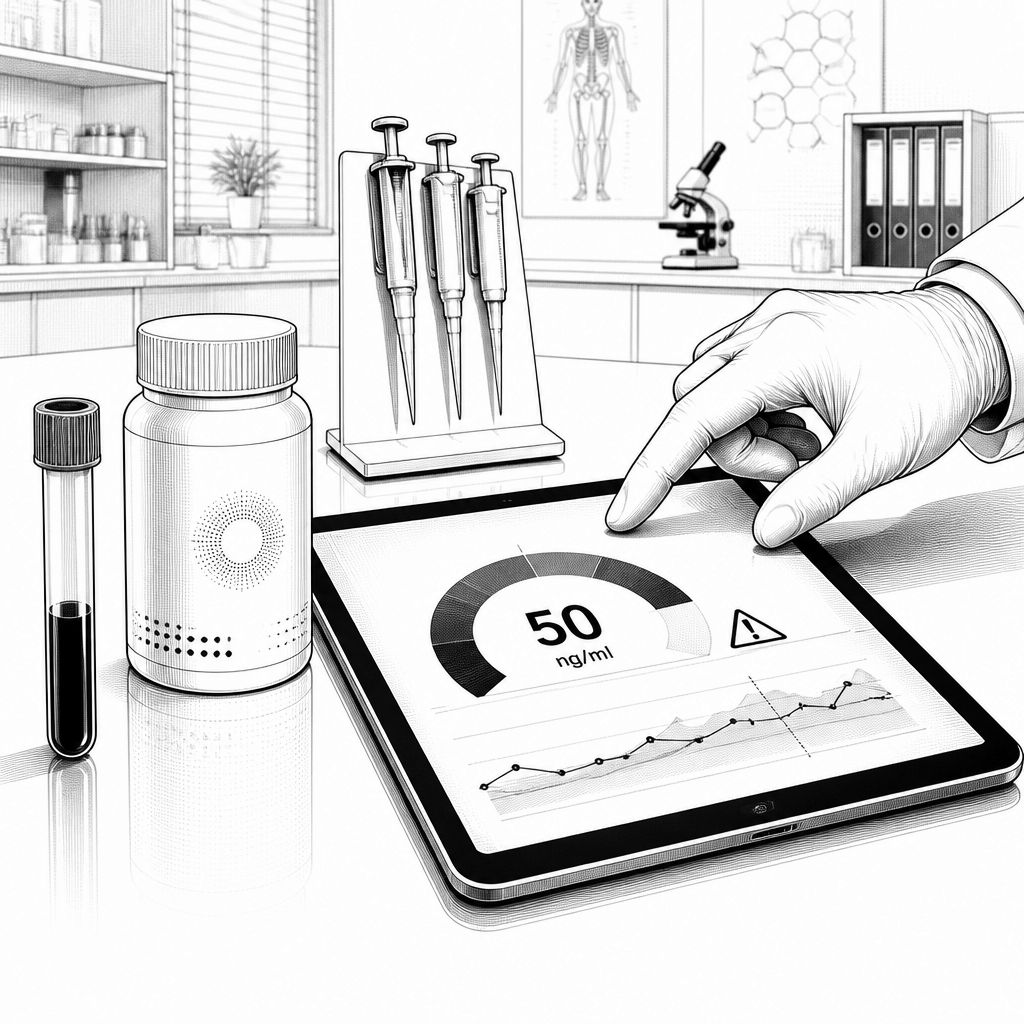
50
The distinction between a healthy reserve and a dangerous surplus is narrow. As the drive for self-optimization continues, the priority for consumers must shift from simply increasing intake to ensuring that their levels remain within a safe, medically verified range.
Consult your healthcare provider before starting or changing any Vitamin D supplementation regimen.
The Robert Koch Institute has identified 50 ng/ml as a critical threshold where Vitamin D levels may transition into oversupply. As modern lifestyle changes drive increased supplement use, health officials are warning that excessive dosages pose metabolic risks, complicating the transition from preventing deficiency to managing potential toxicity.
The 50 ng/ml Threshold and Metabolic Risks
The conversation surrounding Vitamin D is shifting from a simple pursuit of deficiency prevention to a more complex management of metabolic balance. According to the Robert Koch Institute’s warning regarding Vitamin D oversupply, blood serum levels reaching approximately 50 ng/ml can signal the onset of oversupply. This threshold marks a point where the benefits of supplementation may give way to clinical complications. Medical professionals typically measure Vitamin D by determining the concentration of 25(OH)-Vitamin-D in the blood serum, as this marker provides the most accurate reflection of the body’s internal supply. While some practitioners advocate for higher target ranges in their daily work, institutional guidelines suggest caution once values move into zones that are no longer considered “health-neutral” for the immune and metabolic systems. The primary concern with exceeding these levels involves the regulation of calcium. When Vitamin D levels are too high, the body’s ability to manage calcium can be compromised, leading to risks that affect several critical systems:- Bone stability and density
- Muscle function and contraction
- Nerve signaling and neurological health
- Calcium regulation and metabolic homeostasis
Lifestyle Shifts and the Deficiency-Supplementation Cycle
The push for supplementation is largely driven by a fundamental change in how people live and interact with their environment. Vitamin D is not a traditional vitamin; it is a substance the body produces naturally when skin is exposed to UVB radiation from sunlight. However, modern habits have created a systemic reliance on external sources. Daily routines in many regions now involve less outdoor exposure. People spend more time working indoors, children play more frequently inside, and the widespread, necessary use of high-strength sunscreens further blocks the UVB rays required for natural synthesis. This reduction in sunlight exposure means that the body’s natural production is often insufficient, particularly during winter months. During periods of high sunlight, the body stores Vitamin D in the liver, fat tissue, and muscle tissue to be used when UVB levels drop. While these reserves are intended to carry a person through the darker months, the current trend toward indoor living has made many of these stores unreliable. Despite this, consumer advice regarding Vitamin D supply in Germany notes that dietary intake is a minor player in this equation, covering only 10% to 20% of the body’s daily requirements.The Rise of Algorithm-Driven Health Routines
As the supplement market expands, a new and potentially risky behavior has emerged: the rise of “algorithm-driven health routines.” Rather than seeking clinical diagnosis and professional monitoring, many consumers are making high-stakes decisions based on rapid online explanations and laboratory “overviews” found on the web. This trend toward self-medication bypasses the essential step of medical indication. Without a physician to interpret blood work in the context of an individual’s unique risk profile, consumers may inadvertently move from a state of deficiency into a state of oversupply. This is exacerbated by the speed at which supplement information scales online, often outpacing the clinical guidance required to use these substances safely. The broader context of these nutritional shifts is part of a continuous effort to monitor population health. The Robert Koch Institute’s latest population-based data, including findings from the 2024 “Health in Germany” panel, continues to fill critical data gaps regarding how lifestyle and environmental factors impact public health across the country.Safety Limits and the Marketing of Micronutrients
The intersection of public health and the “supplement economy” has created a lucrative environment for aggressive marketing. Experts warn that the gap between scientific reality and commercial claims is often filled by “self-proclaimed vitamin popes”—individuals or brands that promote high-dose supplementation without the necessity of medical oversight. To mitigate the risk of toxicity, health authorities suggest strict adherence to established limits. For those using supplements to prevent deficiency, it is recommended not to exceed 20 µg of Vitamin D per day unless specifically directed by a medical professional.| Source Type | Role in Vitamin D Supply | Reliability/Context |
|---|---|---|
| Sunlight (UVB) | Primary natural producer | Variable by season and location |
| Dietary Intake | Secondary support | Covers only 10-20% of needs |
| Supplements | Supplemental support | Risk of oversupply above 50 ng/ml |
