The Quebec government is preparing a bill to ban the sale of energy drinks to minors under 16 before the current parliamentary session ends on June 12. This legislative push follows the death of a 15-year-old boy and a growing public health mobilization demanding stricter regulations on caffeinated stimulants for adolescents.
The Tragedy of Zachary Miron and the Push for Regulation
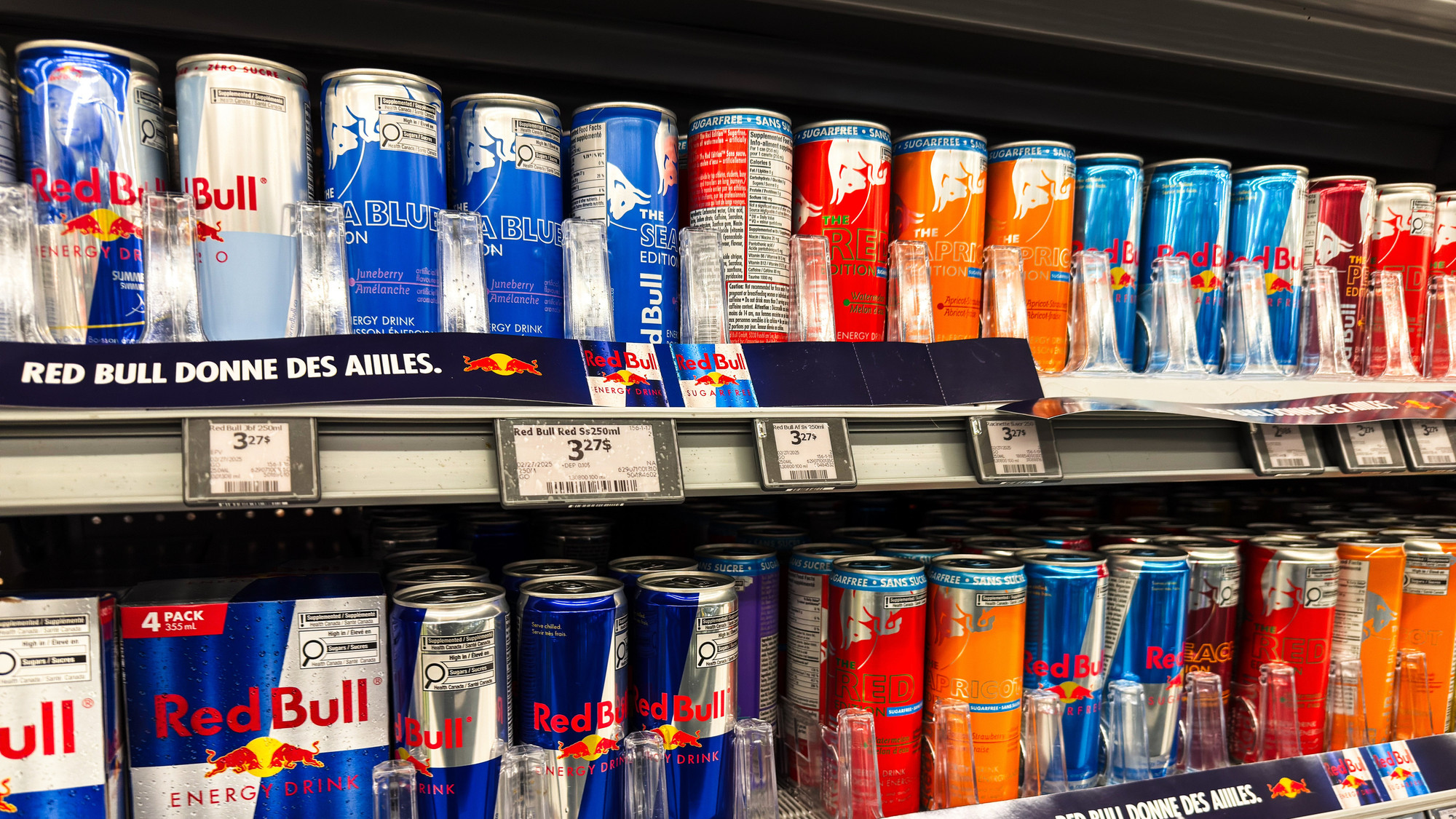
The momentum for this ban is rooted in a specific, preventable tragedy. In January 2024, 15-year-old Zachary Miron, a student at Externat Sacré-Cœur, died suddenly during a school trip. As reported by Radio-Canada, the fatality was linked to the interaction between the stimulants in a single can of Red Bull and Biphentin, a medication Miron took to manage attention deficit hyperactivity disorder (ADHD).
In the wake of the loss, David Miron and Veronica Martinez founded the Mouvement Zachary Miron to prevent similar accidents. The movement has evolved from a grieving family’s plea into a broad coalition involving health, education, and sports organizations. The public response has been significant; a petition launched by Member of the National Assembly Guillaume Cliche-Rivard garnered approximately 35,000 signatures in support of the age limit.
The political atmosphere shifted decisively on May 6, when the National Assembly of Quebec passed a unanimous motion regarding the framing of energy drinks. While the motion signaled a consensus on the need for action, the transition from a symbolic gesture to a binding law has introduced friction.
Legislative Deadlines and Conservative Resistance
cluster (priority): 98.5 Montréal
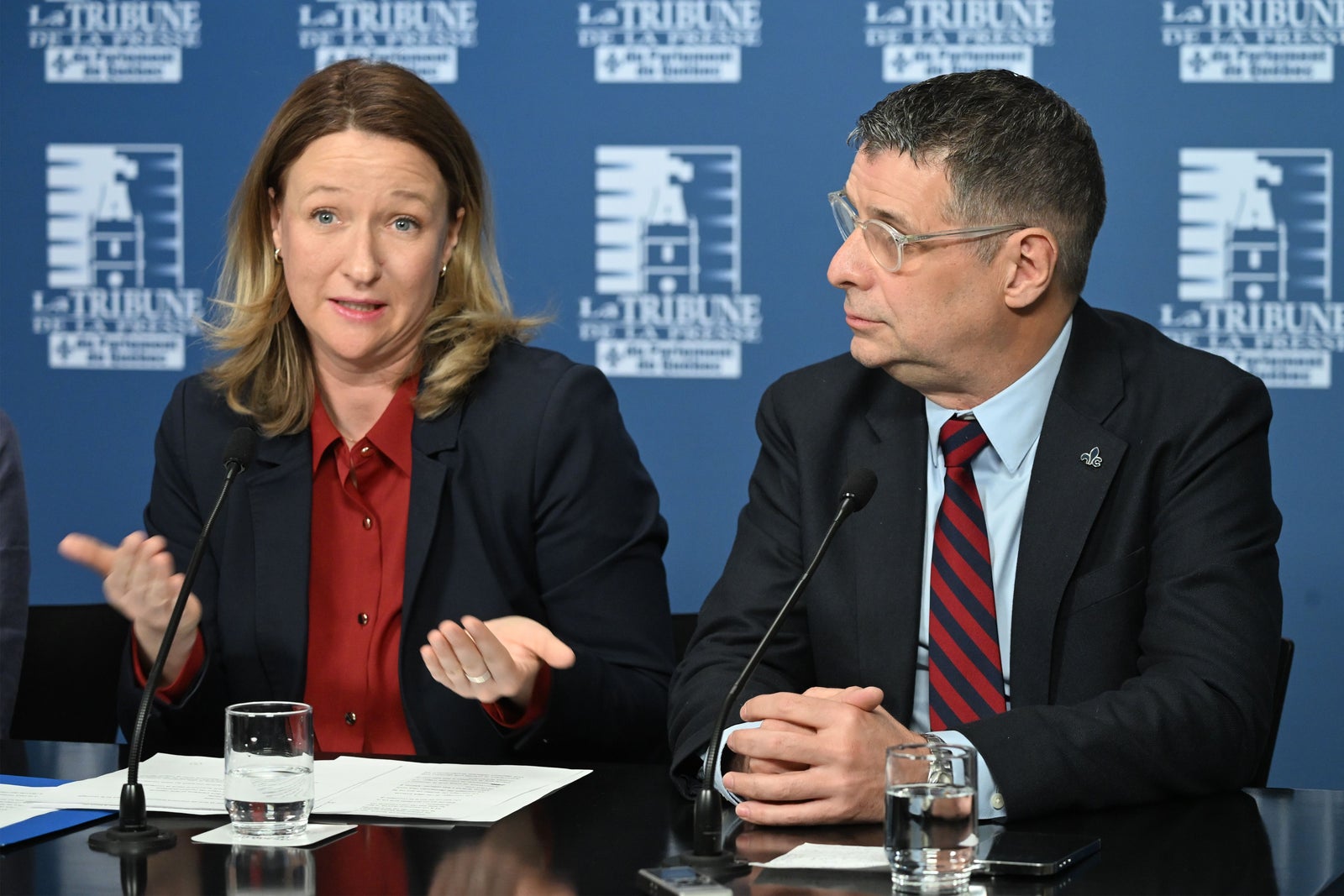
The government faces a tight window. To pass the ban before the June 12 deadline, the administration may need to employ an accelerated parliamentary procedure. This “fast-track” method is precarious because it requires the support of all opposition parties and independent members to proceed.
This procedural requirement gives the Conservative Party of Quebec significant leverage. While the party has not officially detailed its strategy, Le Devoir notes that the party may block the bill if they perceive the process as rushed. The Conservatives have expressed concern that the government is prioritizing speed over a thorough analysis of the state’s role in regulating consumer products.
“The CAQ and the other parties are acting precipitously in a serious matter that deserves time rather than rushing into hasty bans that will further impact the size of the state.”
Maïté Blanchette Vézina, Member of the National Assembly
The standoff highlights a classic ideological divide: the urgency of a public health crisis versus a resistance to expanding government oversight. Meanwhile, Québec Solidaire has urged a collaborative, transpartisan approach to ensure the bill is handled correctly without sacrificing the speed needed to protect youth.
Rosemère’s Municipal Crackdown on Vending Machines
While the provincial government navigates parliamentary hurdles, the City of Rosemère is taking unilateral action. Because Zachary Miron attended school within its borders, the municipality has felt a direct responsibility to act. The city council recently adopted a unanimous resolution supporting the Mouvement Zachary Miron and calling on the province to legislate.
However, Rosemère is not waiting for Quebec City to act. According to Index Santé, the city has mandated its administration to ban the sale of caffeinated energy drinks within municipal sports and recreational facilities.
The city’s focus is specifically on the “blind spots” of legislation: vending machines. Mayor Marie-Elaine Pitre argues that even if a provincial law bans sales to minors, unmanned machines remain a critical failure point for enforcement.
“If the bill passes, the sale will be prohibited to those under 16, but it remains that, if they are available in vending machines in our facilities, there is a real control problem. We do not want them to be available to young people at all times.”
Marie-Elaine Pitre, Mayor of Rosemère
Rosemère is exploring the possibility of issuing fines to establishments that violate these local regulations, effectively creating a municipal buffer of protection while the provincial law remains in limbo.
The Public Health Stakes and Next Steps
The core of the issue is not merely the caffeine content, but the dangerous synergy between high-stimulant beverages and prescription medications for ADHD. As noted by 98.5 Montréal, this is viewed as a high-impact, low-cost policy change that could prevent further fatalities.
The immediate future of the ban depends on the Health Minister’s office. Sonia Bélanger has stated that while no final decision has been made, the goal remains to protect youth from a growing public health concern.
The next few days are critical. If the government introduces the bill this week, the focus will shift to whether the Conservatives will allow the fast-track process or force the bill into a standard committee study, which would likely push the ban past the June 12 session end.
For now, the battle is being fought on two fronts: a provincial legislative struggle over the size of the state, and a municipal effort to physically remove the risk from the environments where teenagers spend their time.