

On December 26, the Department of Health Environmental Management, Ministry of Health, just sent a document to the Departments of Health of provinces and cities from the North to the Central region on strengthening guidance on measures to protect public health. fields and workers when the weather is cold and harmful.
According to the official dispatch signed by Associate Professor Dr. Luong Mai Anh – Director of the Department of Health Environmental Management, in recent times, in the Northern and North Central regions, severe and harmful cold has occurred, affecting health. health of people and workers, especially those at high risk such as the elderly, children, pregnant women, people with chronic diseases such as hypertension, asthma, cardiovascular, musculoskeletal, Workers working outdoors or in cold environments.
The cold and harmful weather will continue. (Ice cover in Lao Cai. Spring Photo)
According to forecasts of the National Center for Hydrometeorology, severe and damaging cold may continue in the coming days.
In order to proactively protect people’s health in recent times, the Department of Health Environmental Management has developed a Cold Season Health Care Guide for the community and workers to help people have basic knowledge in taking care of their health. Take measures to prevent and control some common health problems during the cold season.
People at high risk of having health problems when the weather is cold
According to the guidance of the Department of Health Environmental Management, in the cold season, you may encounter some common health problems including: Colds, asthma, sore throat, pneumonia, chronic obstructive pulmonary disease, flu, stroke, coal gas poisoning due to heating and cooking…
The main cause is due to prolonged exposure or working in a cold environment or it can also be due to sudden changes in environmental temperature.
Some high-risk subjects include:
– The elderly, young children and pregnant women.
– People who work outdoors or in cold environments, cold winds, and lack of sunlight: agricultural workers, workers…
– People with chronic diseases: hypertension, asthma, cardiovascular disease, musculoskeletal diseases…
What about cold weather, cold rooms and cold weather diseases?
For the elderly and children:
– Avoid going outdoors when the weather is too cold and windy, especially between 9:00 a.m. and 6:00 a.m.;
– When going out, you should wear enough warm clothes to protect from drafts such as jackets, long pants thick enough to retain heat, scarves, hats, gloves, socks, masks…;
– Always keep your body dry, avoid getting wet, especially the neck, arms, and legs when going out and when sleeping to limit diseases caused by colds;
– Avoid exposure to cigarette smoke, coal smoke, and do not drink alcohol, especially people in mountainous areas should pay attention because drinking alcohol constricts blood vessels, causing increased blood pressure, which can lead to stroke and death. dead. Avoid drinks containing stimulants such as caffeine;
– You should not bathe late after 10 p.m., bathe for too long or bathe in a place that is not airtight because it is easy to get heat stroke, which is dangerous to your life. Use warm water to bathe and clean your body;
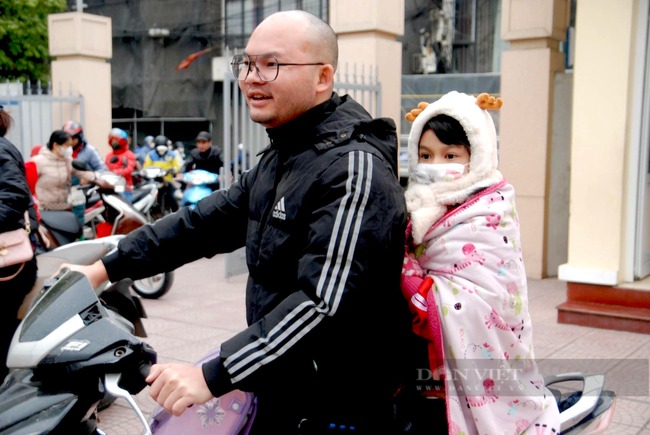
In cold weather, children and the elderly need more protection and care. (Sending children to school in Hanoi. Photo by Nhat Ha)
– Need to clean your mouth and throat regularly every day, such as brushing your teeth regularly before and after waking up; Gargling with warm water mixed with diluted salt helps disinfect the neck and throat and limit sore throats;
– Regularly wash your hands with soap to remove bacteria; get vaccinated to prevent flu;
– Eat and drink enough nutrients to ensure energy for the body to fight cold. In daily meals, it is necessary to fully supplement 4 basic groups of substances (starch, protein, fat, vitamins and minerals).
For heavy workers, the elderly, and children, they need to provide more starch, protein, fat, and vitamins than in other seasons to increase body heat to fight cold, especially supplementing Vitamins A and C to strengthen the body’s resistance. Avoid eating cold foods or foods just taken out of the refrigerator because they can easily cause the body to get cold;
– People with high blood pressure, cardiovascular diseases, chronic respiratory diseases, musculoskeletal diseases… who have been diagnosed, must pay attention to complying with medication principles and have an exercise and nutrition regimen. Proper nutrition according to your doctor’s instructions;
– Exercising and exercising regularly helps warm the body, improve resistance and resistance to cold weather conditions;
– Regularly update weather information on all media.T
People who have to work in cold weather
– If you have to work outdoors, you need to keep your body warm and work at a slow intensity;
– It is necessary to keep the body, hands and feet dry, avoid moisture, especially for workers working outdoors, in mines… Wear a mask while working to protect the respiratory tract;
– On cold, rainy days, when working outdoors, you must be equipped and use full protective gear such as a waterproof shirt, raincoat, hat, cotton padded gloves and a water-resistant outer layer; Warm and waterproof shoes… because wet clothes and hair will quickly lose heat, causing the body to get cold;
– When going out in cold weather, it is necessary to dress warmly, especially to keep your neck and chest warm. While working, if you feel hot, you should gradually take off your clothes;
– To have enough heat to work and fight cold, workers need to eat enough food, especially fats and carbohydrates, and should eat hot food.
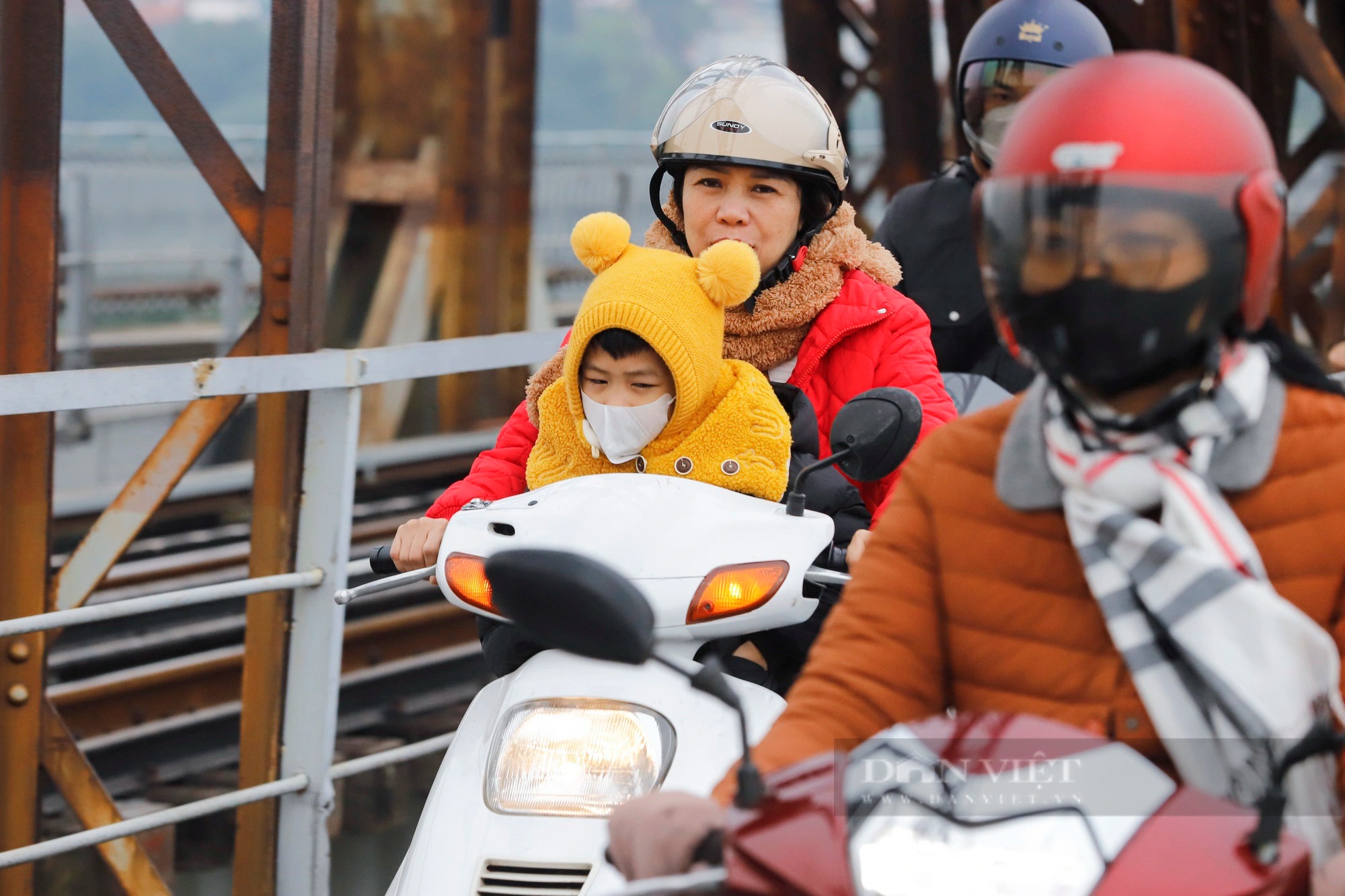
In cold weather, you need to dress warmly when going out (People moving in cold weather in Hanoi. Photo by Pham Hung)
Prevent CO poisoning when lighting a fire for warmth in cold weather
According to the instructions of the Department of Health Environmental Management, to prevent CO (Carbon Dioxide) poisoning in the home, people absolutely do not use charcoal or honeycomb charcoal for burning and heating in closed rooms.
If the weather is too cold and requires the use of coal, only use it for a short time, open the door slightly to ensure ventilation and only heat when everyone is awake; Do not use heating overnight and keep the room door closed;
Infrared radiation heaters (heating fans, heating lamps, fireplaces, etc.) should not be placed near children or the elderly because infrared rays carry heat and directly impact the surface of the skin, causing dry skin and nose. , high risk of burns and fire.
The best distance when placing these heaters is about 1-2m and should be in rotating mode with the main purpose of warming the room, do not shine the heat directly on the body due to the above risks;
When using an electric blanket, you must check carefully before use to prevent damage and ensure insulation and insulation of the wire. Do not wash wet to avoid electric shock. Turn on the warm mode and when warm enough, turn it off before use.
The Department of Health Environmental Management also reminds people to pay attention to the following physical symptoms:
– Pay attention to the symptoms: headache, dizziness, chest tightness, discomfort, numbness in the limbs… When symptoms appear, keep your body warm immediately and go to a medical facility for a health check. ;
– Cold weather increases the burden on the heart, so people with heart disease or blood pressure should be examined and follow the advice of a specialist. Blood pressure should be checked regularly, even in young people and people with no history of cardiovascular disease or blood pressure;
– Pay attention that prolonged exposure to very cold temperatures can cause hypothermia, especially in the elderly, thin, chronically ill, malnourished children, and infants; Symptoms of hypothermia: tremors, exhaustion, confusion, memory loss, slurred speech and drowsiness… In newborns, there are signs of bright red or cold skin. Shivering is an important first sign that the body is losing heat so it is necessary to warm up immediately;
When you are infected with a cold and have a cough or fever, you need to see a doctor for appropriate diagnosis and treatment. Do not arbitrarily buy medicine, especially antibiotics, to take.
