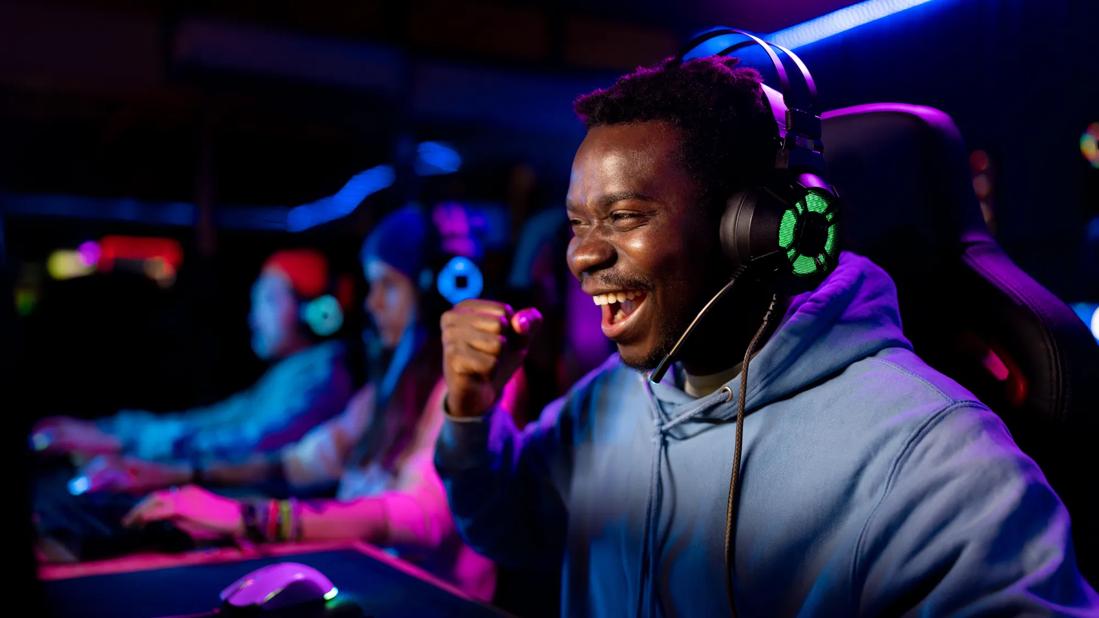
Esports professionals training up to 10 hours daily face significant health risks, including eyestrain and musculoskeletal injuries. Medical experts at the Mayo Clinic and Cleveland Clinic are now advocating for specialized health management models to address the unique physical and cognitive demands of these high-intensity digital competitors.
The Physical Toll of High-Intensity Gaming
cluster (priority): britishesports.org
The transition from casual gaming to professional competition involves a massive leap in physical output. While novice players average roughly 50 action moves per minute, advanced competitors can execute between 500 and 600. This level of intensity places immense strain on the body, particularly the eyes and extremities.
According to The Star, eyestrain is the most frequently reported condition among players, with research in the journal BMJ Open Sport & Exercise Medicine indicating it affects up to 56% of competitive gamers. This condition often manifests as eye fatigue, irritation, blurred vision, and headaches resulting from extended screen exposure without adequate breaks.
Beyond vision, the sedentary nature of the industry creates specific physiological risks. Dr. Jane Konidis, a physiatrist at the Mayo Clinic, notes that long hours of sitting can lead to gluteal amnesia—often called “dead butt syndrome”—where the gluteus maximus becomes weak and underactive. This lack of function can trigger a cascade of issues, including knee and low back pain.
“E-sports are extremely demanding,” Dr. Jane Konidis, Mayo Clinic, via The Star
Repetitive fine motor movements also contribute to musculoskeletal injuries. Players frequently deal with upper extremity pain from clicking, typing, and controller manipulation, which can progress into overuse injuries like carpal tunnel syndrome or common extensor tendinopathy, colloquially known as gamer’s elbow.
cluster (priority): calculatorsoup.com
There is a growing movement to bridge the gap between how esports competitors are perceived and the physiological reality of their performance. While they may not be running on a field, these players exhibit increased cardiovascular and caloric output during competition.
Medical professionals are pushing back against the idea that gaming is a purely sedentary pursuit. Cleveland Clinic researchers have observed that the reflexes required in competitive gaming often surpass those of traditional athletes. Because of this, experts have begun referring to these players as synaptic specialists due to their ability to respond to stimuli with extreme speed and accuracy.
“These are athletes, and we should be approaching them with the same level of health, wellness and performance-improving care that we offer traditional athletes,” Dominic King, DO, Director of the Esports Medicine Program at Cleveland Clinic
This professionalization is also visible in the collegiate sector. North America now hosts more than 250 collegiate esports programs, where student-athletes often utilize the same training and strength facilities as traditional sports teams to maximize their performance.
The Economic and Health Imperative of Professionalization
What Sets Professional Esports Athletes Apart From Average Gamers
As the industry scales, the stakes for athlete health become increasingly financial. The health of players directly impacts their professional performance and career longevity, which in turn affects the sustainability of the entire ecosystem.
The scale of this industry is massive. Data from the China Internet Network Information Center shows that in the first half of 2023, the revenue of China’s esports industry reached 75.993 billion yuan, supported by a user base of 487 million people.
With such significant capital at stake, the lack of standardized health protocols is a growing concern. Unlike traditional sports, many esports clubs have yet to adopt comprehensive health management approaches. To address this, researchers are looking toward an Integrated Health Management Model. This multidisciplinary approach focuses on:
Multidisciplinary collaboration between medical and coaching staff
Patient-centered health services tailored to digital athletes
Continuous and coordinated health management to prevent career-ending injuries
Preventative Protocols for Career Longevity
cluster (priority): consultqd.clevelandclinic.org
Longevity in esports requires a departure from the “grind” culture that once defined the scene. The old philosophy of playing as many hours as possible is being replaced by a focus on holistic wellness, including sleep, nutrition, and structured physical activity.
“I think in the beginning of my career, I just thought if I played 16 hours every day for a whole year, I’d be the best player. But I think these days that’s one of the worst things you can do.” Martin “Rekkles” Larsson, Fnatic, via British Sports
To maintain peak mental and physical state, experts suggest following established health guidelines. British Sports highlights several key areas for improvement:
Movement: Adults are encouraged to perform strength exercises at least two days a week and aim for 150 minutes of moderate aerobic activity or 75 minutes of vigorous activity weekly.
Rest: Taking a five-minute break every hour during gameplay can help improve overall concentration.
Nutrition: Maintaining a proper caloric intake—roughly 2,500 calories for men and 2,000 for women—is essential for both physical and mental health.
By integrating these lifestyle habits, players can mitigate the risks of the sedentary lifestyle and ensure their cognitive and physical abilities remain sharp for the long term.