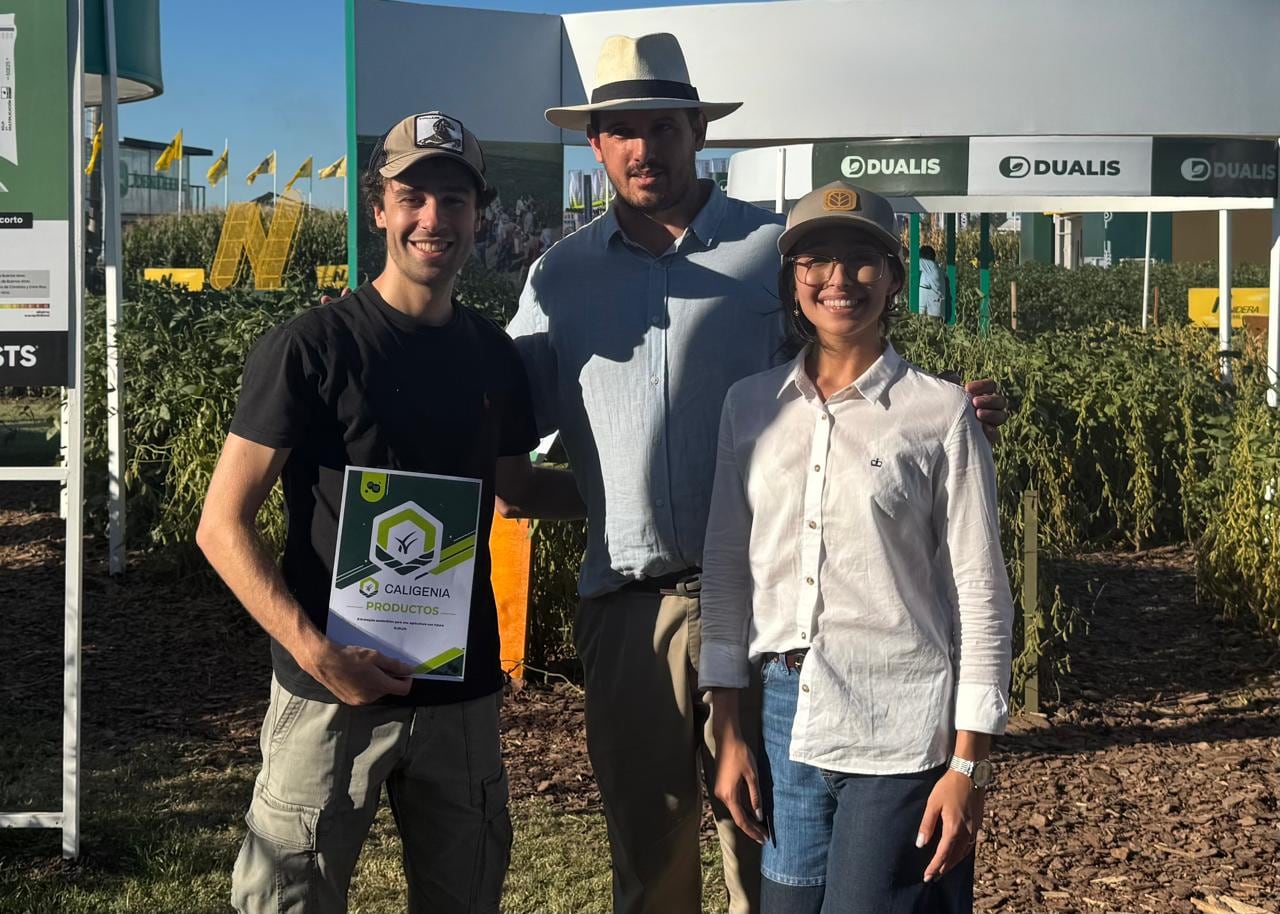
Argentine industrial engineer Nicolás Barbarosch has earned a spot in a prestigious global top 25 list for his biotechnological innovations. His startup, Caligenia, specializes in converting organic waste—specifically chicken manure—into carbon-negative biofertilizers designed to restore degraded soils and combat the accelerating effects of global climate change.
Converting Poultry Waste into Carbon-Negative Amendments
cluster (priority): impactocastex.com.ar
The core of the innovation lies in a process that turns a common environmental pollutant into a regenerative resource. According to LA NACION, Caligenia focuses on transforming organic residues, such as chicken manure, into biofertilizers and carbon-negative soil amendments. These products are engineered to rehabilitate degraded land while simultaneously mitigating the impacts of a warming planet.
The company’s name itself reflects its mission, drawing inspiration from a Greek goddess associated with the fertility of the earth and the renewal of natural life. By addressing the dual crises of soil degradation and greenhouse gas emissions, the startup has positioned itself at the intersection of biotechnology and environmental stewardship.
“Caligenia is four years old; it started at the end of 2022.”
Barbarosch, via LA NACION
A Career Forged in Global Energy Transitions
Top 5 Biotech Startup Company Ideas – Watch, Plan, Execute & Earn in Crores
The technical foundation of Caligenia is built upon Barbarosch’s extensive international training in energy and mechatronics. While studying industrial engineering at ITBA, he participated in academic exchanges in Germany and spent time in New Zealand, experiences that provided early exposure to renewable energy sectors.
His expertise was further refined during a six-month period in Beijing, where he focused on mechatronic engineering and the emerging field of energy transition. During a specialized internship within the automotive industry, he began investigating the potential of green hydrogen to restructure global energy consumption.
“I learned a lot about green hydrogen, which is one of the technologies that will displace fuels like oil in the long term.”
Barbarosch, via LA NACION
This focus on decarbonization was not merely academic; it was driven by a growing personal commitment to environmental stability.
“I have always been very concerned about global warming.”
Barbarosch, via LA NACION
The Path from Silicon Valley to Soil Science
cluster (priority): news.google.com
The transition from studying energy carriers to developing biological soil solutions was accelerated by the global pandemic. As reported by Impacto Castex, the period of global lockdown prompted a deeper reflection on the urgency of the climate crisis.
“I began to worry even more about climate change.”
Barbarosch, via LA NACION
During this time, Barbarosch was active in TechTrek, an ITBA student organization that bridges the gap between academic talent and industry capital. This involvement provided him with direct access to Silicon Valley, where he engaged with the founders of several Argentine “unicorn” companies. This exposure to high-growth startup culture likely provided the strategic framework necessary to scale a biotech venture from an engineering thesis into a globally recognized enterprise.
The recognition of Caligenia in a top 25 global list—an initiative supported by Bill Gates—underscores the growing commercial and environmental importance of carbon-negative agricultural technologies. As the industry moves toward more stringent soil health and carbon sequestration standards, the ability to turn high-nitrogen waste into a tool for land regeneration represents a significant shift in how the agricultural sector manages its environmental footprint.