

Argentine industrial engineer Nicolás Barbarosch has earned a spot in a prestigious global top 25 list for his biotechnological innovations. His startup, Caligenia, specializes in converting organic waste—specifically chicken manure—into carbon-negative biofertilizers designed to restore degraded soils and combat the accelerating effects of global climate change.
Converting Poultry Waste into Carbon-Negative Amendments
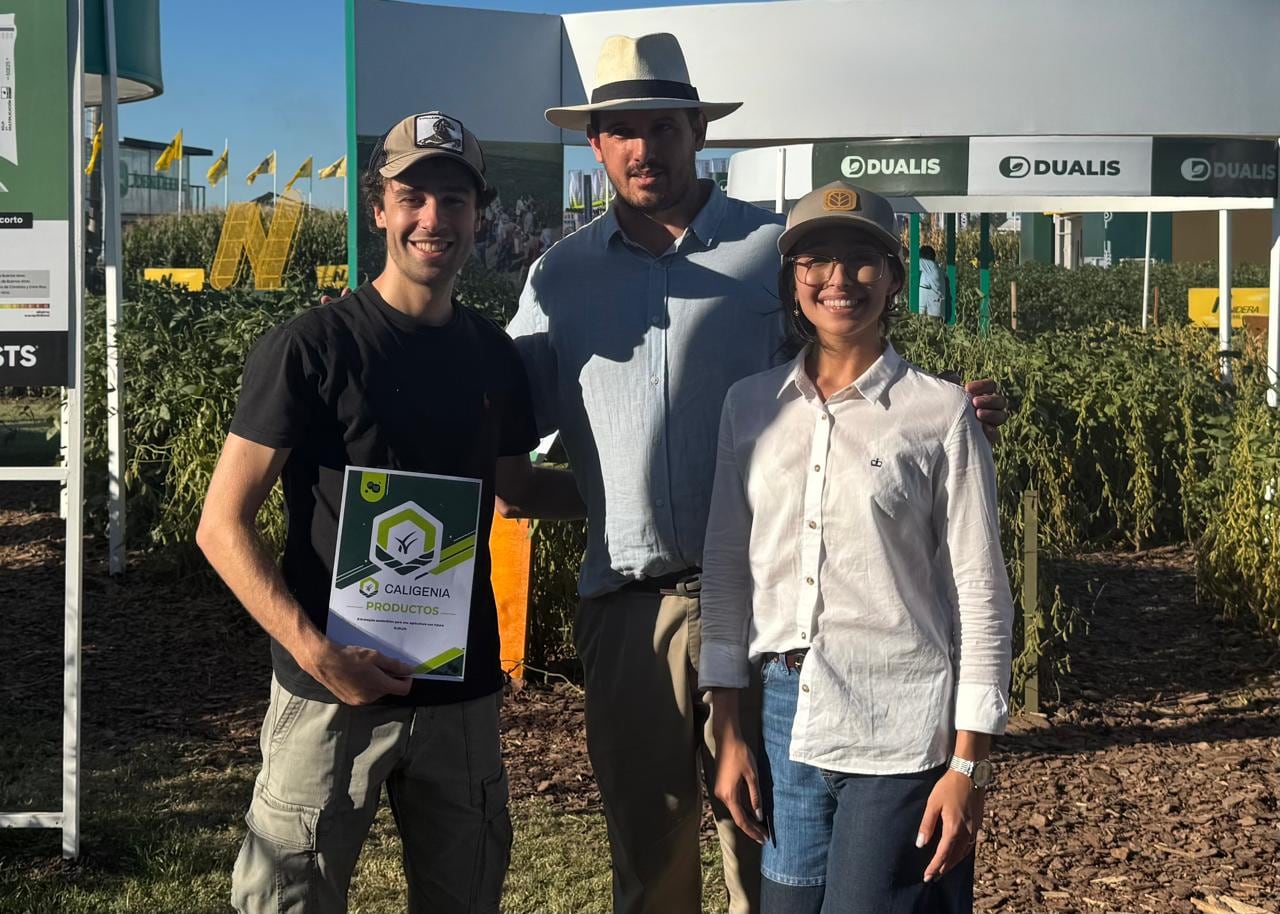
“Caligenia is four years old; it started at the end of 2022.” Barbarosch, via LA NACION
A Career Forged in Global Energy Transitions
“I learned a lot about green hydrogen, which is one of the technologies that will displace fuels like oil in the long term.” Barbarosch, via LA NACIONThis focus on decarbonization was not merely academic; it was driven by a growing personal commitment to environmental stability.
“I have always been very concerned about global warming.” Barbarosch, via LA NACION
The Path from Silicon Valley to Soil Science

“I began to worry even more about climate change.” Barbarosch, via LA NACIONDuring this time, Barbarosch was active in TechTrek, an ITBA student organization that bridges the gap between academic talent and industry capital. This involvement provided him with direct access to Silicon Valley, where he engaged with the founders of several Argentine “unicorn” companies. This exposure to high-growth startup culture likely provided the strategic framework necessary to scale a biotech venture from an engineering thesis into a globally recognized enterprise. The recognition of Caligenia in a top 25 global list—an initiative supported by Bill Gates—underscores the growing commercial and environmental importance of carbon-negative agricultural technologies. As the industry moves toward more stringent soil health and carbon sequestration standards, the ability to turn high-nitrogen waste into a tool for land regeneration represents a significant shift in how the agricultural sector manages its environmental footprint.


