
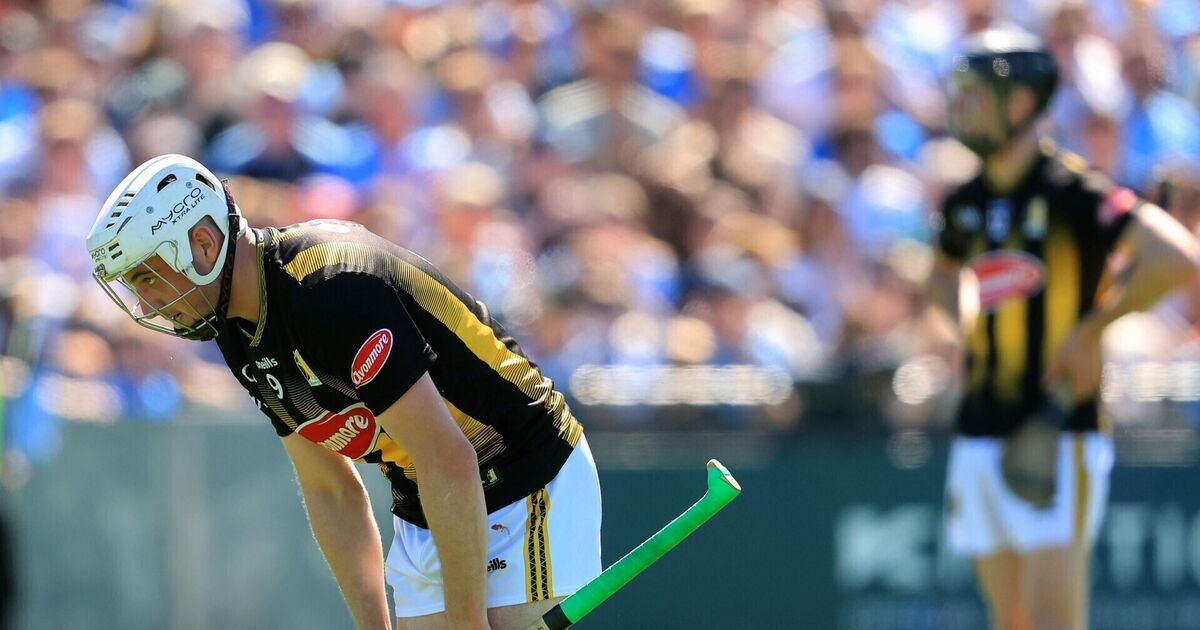
Andy Comerford, Kilkenny’s 2002 All-Ireland Senior Hurling Championship-winning captain, has called for the immediate disbandment of the county’s youth development squads, arguing they are “gone by their sell-by date” and have become a counterproductive burden on players, coaches, and parents.
Comerford’s blunt assessment comes on the heels of Kilkenny’s shock Leinster Senior Hurling Championship exit, a defeat that has reignited debate over how the county nurtures its next generation of talent. His remarks, made in the wake of the team’s dismal performance in Donnycarney, strike at the heart of a system he believes has lost its way—and is now actively harming the very players it was designed to help.
Why Kilkenny’s Development Squads Are Failing
Kilkenny’s development squads, once a cornerstone of the county’s youth hurling pipeline, are now widely seen as a failed experiment. Comerford, speaking to Community Radio Kilkenny City’s TC Tyres World of Gaelic Games, laid out a damning indictment: the squads have become a breeding ground for bad habits, parental pressure, and player burnout. “Lads are getting browned off. Players are getting sick of it. Mentors are getting sick of it,” he said, painting a picture of a system that has outlived its usefulness.
“Development squads, they’ve gone by their sell-by-date now. I’m after ringing 15 or 16 lads there to know what their opinion is on development squads. It’s just not working.”
Comerford’s frustration is rooted in the belief that the squads have become a bureaucratic nightmare, diverting focus from the grassroots clubs where hurling should be flourishing. He proposes a radical solution: disband the squads entirely and return players to their local clubs at age 14. “Let these lads go back to their clubs at 14 years of age. Put in a team, enter a team in the Tony Forristal tournament. By all means, enter a team but release them to a manager five days prior to that,” he argued, suggesting a return to a more organic, club-centric approach.
The Kilkenny Defeat That Exposed the System’s Flaws
Kilkenny’s recent Leinster Championship loss in Donnycarney was not just a tactical failure—it was a symptom of a deeper malaise. Comerford, who has been vocal about the county’s struggles, was unequivocal in his assessment of the game: “Fifteen minutes to go, the white towel could have been thrown in, it was all over. They were not at the races at all, in umpteen positions. I don’t think anybody came out and won their position, really.” His critique extends beyond the final result, however, pointing to a lack of physicality, tactical discipline, and sheer competitive hunger that he traces back to the development squads’ flawed structure.

“But Derek (Lyng) was probably doing the same thing but it just wasn’t there in them. How much dirty ball did we win, how many rucks did we win?”
Comerford’s comments reflect a broader frustration among hurling insiders, who have long questioned the effectiveness of centralized development programs. The argument is not just about performance on the pitch—it’s about the culture these squads foster. Players, he says, are returning to their clubs with inflated egos and untrainable attitudes, a direct consequence of being pulled away from their local environments for extended periods. “Players are coming back with egos, back into their clubs and they’re untrainable. I’ve often heard players are coming back after being with county teams and they’re not producing the goods for their clubs,” he warned.
Parental Pressure and the County Board’s Role
One of the most striking aspects of Comerford’s critique is the role parents play in perpetuating the problem. He reported receiving “29, 30 phone-calls from parents” demanding to know why their sons weren’t on development squads. “It has to stop. End of story,” he declared, highlighting how the system has become a battleground for parental ambition rather than player development. The pressure, he argues, is distorting the natural progression of young athletes and turning hurling into a high-stakes, high-pressure environment far too early.
“I’ve heard they’re receiving 29, 30 phone-calls from parents. ‘Why isn’t my young lad on a development squad?’ ‘Why isn’t he on this?’ ‘Why isn’t he on that?’ It has to stop. End of story.”
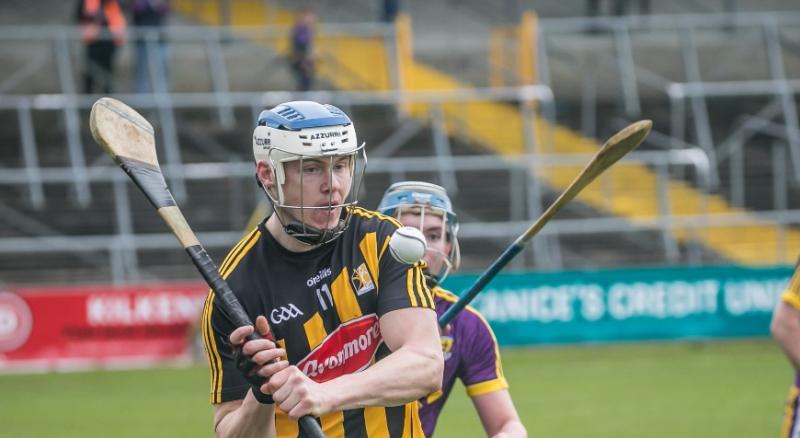
Comerford’s solution is not just about scrapping the squads—it’s about the county board stepping in to redefine the relationship between players, clubs, and the county structure. He points to Dublin as a model, where the county has successfully identified and integrated players with inter-county experience rather than relying on external coaches or disjointed development programs. “We shouldn’t be doing that. We should identify this and put a line in the sand as of tonight. The county board has to step in and say, ‘Listen, we’re going to help you out,’” he urged, calling for a reset that prioritizes local clubs and grassroots development.
What Comes Next: A System in Crisis
The Kilkenny hurling establishment now faces a crossroads. Comerford’s call to disband the development squads is a radical departure from the status quo, but it resonates with a growing chorus of voices within the county who believe the current system is unsustainable. The question is whether the county board will heed his warning—or double down on a model that has clearly failed to produce the results Kilkenny needs.
For now, the focus remains on the immediate fallout from the Leinster defeat and the broader implications for Kilkenny’s hurling future. Comerford’s remarks serve as a wake-up call: if the county is serious about reclaiming its dominance, it must confront the uncomfortable truth that the development squads, as currently structured, are not just ineffective—they are actively undermining the very foundation of Kilkenny hurling.
What happens next will depend on whether the county board is willing to make the tough decisions required to fix a broken system—or if it will continue to cling to a model that has clearly “gone by its sell-by date.”
