
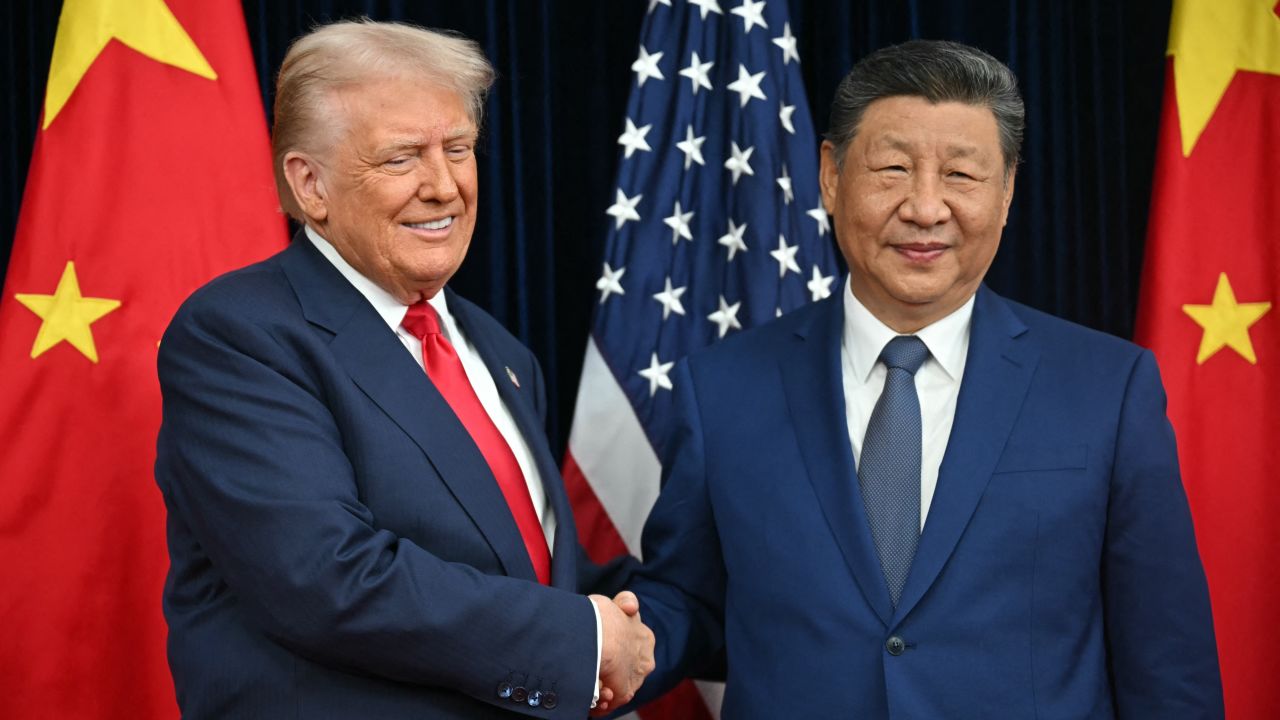
Chinese President Xi Jinping will welcome Russian President Vladimir Putin for a two-day state visit to Beijing on May 19–20, 2026, just four days after hosting U.S. President Donald Trump for high-level talks from May 13–15.
Putin’s Visit: A Tightly Scheduled Diplomatic Showcase
Xi Jinping’s rapid succession of high-profile visits—first Donald Trump, then Vladimir Putin—underscores Beijing’s emergence as the focal point of global diplomacy. The Kremlin confirmed Putin’s trip to China for May 19–20 at the invitation of Xi, following the conclusion of Trump’s three-day state visit. Both events are being framed as opportunities to deepen bilateral ties, but the timing and symbolism of the visits are drawing sharp attention from the West.
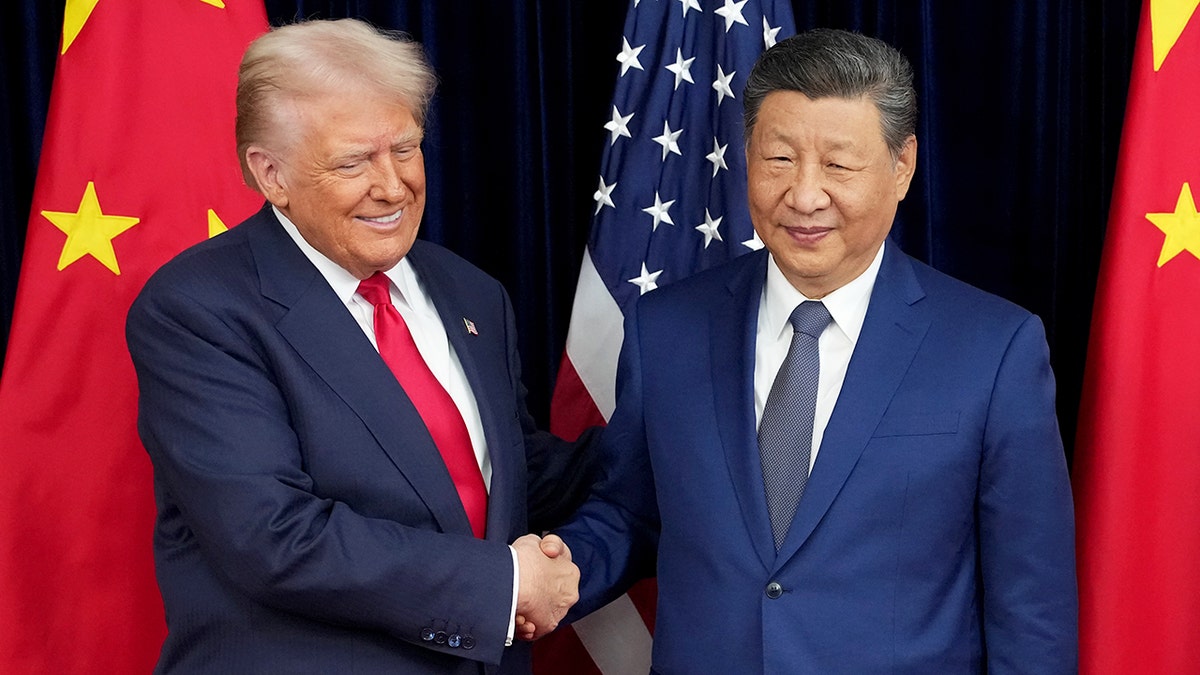
According to the Chinese Foreign Ministry, Trump’s visit to Beijing from May 13–15 was the first by a U.S. president in nearly nine years. The agenda included discussions on bilateral relations, world peace, and development, with both sides seeking to ease tensions over trade, technology, and defense. Xi and Trump exchanged views on major issues, though details of any breakthroughs remain limited.
Putin’s visit, by contrast, arrives amid ongoing concerns in the West about the deepening Sino-Russian partnership, particularly in the context of Moscow’s invasion of Ukraine. Chinese state media has described the sequence of visits as “extremely rare” in the post-Cold War era, highlighting Beijing’s ability to host the leaders of the world’s two largest economies back-to-back within a week.
The Strategic Context: Why Now?
The scheduling of Putin’s visit so soon after Trump’s reflects China’s calculated effort to balance its relationships with Washington and Moscow. Analysts note that Beijing is seeking to maintain its role as a mediator in global affairs, even as its ties with Russia have grown more robust in recent years. The 30th anniversary of the China-Russia strategic partnership this year provides a backdrop for Putin’s trip, with both sides expected to emphasize cooperation in trade, energy, and security.
However, the contrast between the two visits is striking. Trump’s delegation included a broad range of U.S. officials and business leaders, signaling a comprehensive engagement with China. Putin’s visit, while official, is reportedly less grandiose, with sources suggesting it will focus on “routine dealings” rather than large-scale public events. This distinction may reflect the differing priorities of the two relationships—one aimed at managing competition, the other at deepening alliance.
Chinese state media has framed the visits as evidence of Beijing’s growing influence on the world stage. An article in the Global Times described the sequence as a sign that China is “fast emerging as the focal point of global diplomacy,” a claim that resonates with Beijing’s broader narrative of its central role in shaping the post-U.S.-led world order.
What’s at Stake: Trade, Security, and Global Perception
For Xi, the visits serve multiple strategic purposes. With Trump, the focus is on stabilizing the U.S.-China relationship, particularly on issues like trade, technology transfers, and Taiwan. The Trump administration has signaled a willingness to engage with Beijing, but underlying tensions—especially over Taiwan and the South China Sea—remain unresolved.
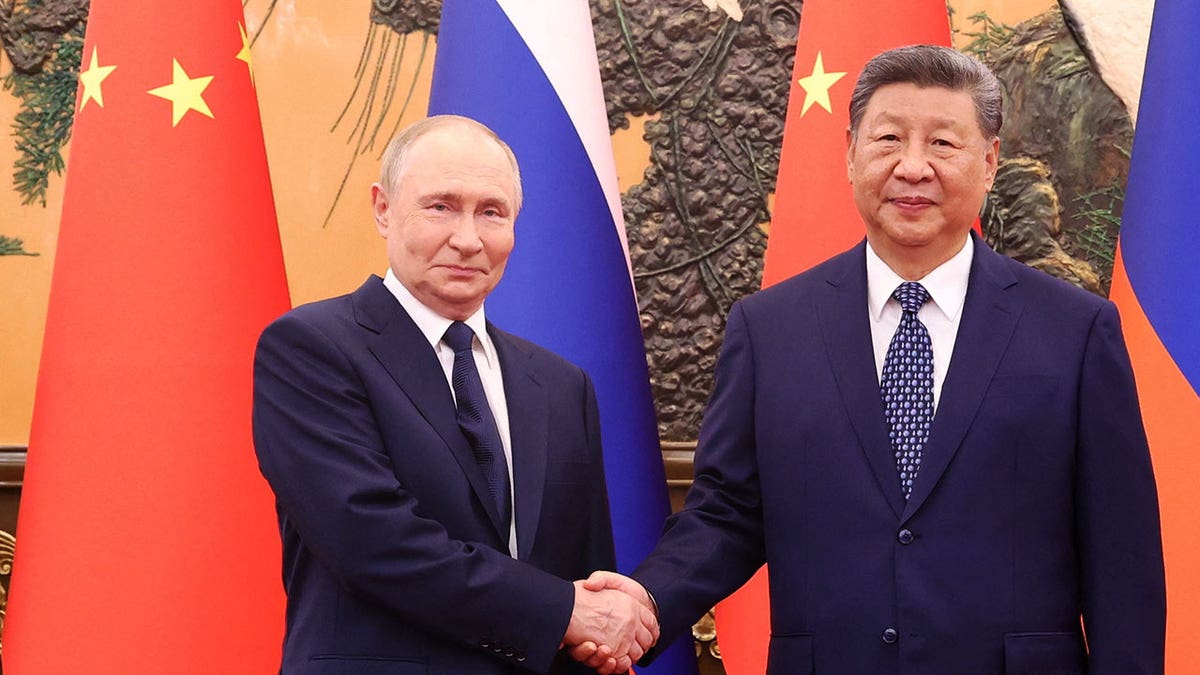
With Putin, the stakes are different. The visit comes as Russia faces increasing isolation over its war in Ukraine, and China’s support—both diplomatic and economic—has been critical to Moscow’s ability to sustain its military campaign. While neither side has publicly linked Putin’s visit to Ukraine, the broader context of Sino-Russian cooperation in defiance of Western sanctions is impossible to ignore.
Officials from both countries have emphasized that the visits are not intended to provoke the West, but the symbolism is undeniable. The rapid succession of Trump and Putin in Beijing sends a clear message: China is positioning itself as a neutral arbiter in an increasingly multipolar world, even as it navigates complex relationships with both the United States and Russia.
Looking Ahead: What Comes Next?
The immediate focus will be on the outcomes of both visits. For Trump and Xi, the question is whether their discussions can yield tangible progress on trade and security. For Putin and Xi, the emphasis is likely to be on economic and military cooperation, with little expectation of public concessions on Ukraine.
What is clear is that Beijing’s diplomatic strategy is paying dividends in terms of global attention. By hosting both leaders in such quick succession, Xi has reinforced China’s image as a key player in shaping the future of international relations. Whether this newfound prominence translates into lasting influence—or simply underscores the challenges of balancing competing interests—remains to be seen.
One thing is certain: the world is watching, and Beijing’s ability to manage these high-stakes visits will be closely scrutinized in the months to come.
