

A study of 16,000 genomes reveals that natural selection shaped nearly 500 genes in West Eurasians over the last 10,000 years. The research, published April 15 in the journal Nature, identifies specific genetic shifts that altered physical appearance and disease susceptibility across a region encompassing Europe and parts of western Asia, including Turkey.
Ali Akbari, a staff scientist at Harvard University, led the team that developed a new statistical method to track these changes over an 18,000-year window. By analyzing thousands of ancient and modern genomes, the researchers could separate the signal of natural selection from other evolutionary forces like genetic drift and gene flow.
New statistical methods identify 479 gene variants under selection
Previous research relied on “scars” left by selection in present-day genomes, a method that often suggested directional selection was rare in recent human history. Akbari’s team argues that this approach missed the finer details of how humans evolved. Their new method detects small, consistent changes over time that were previously invisible to scientists.
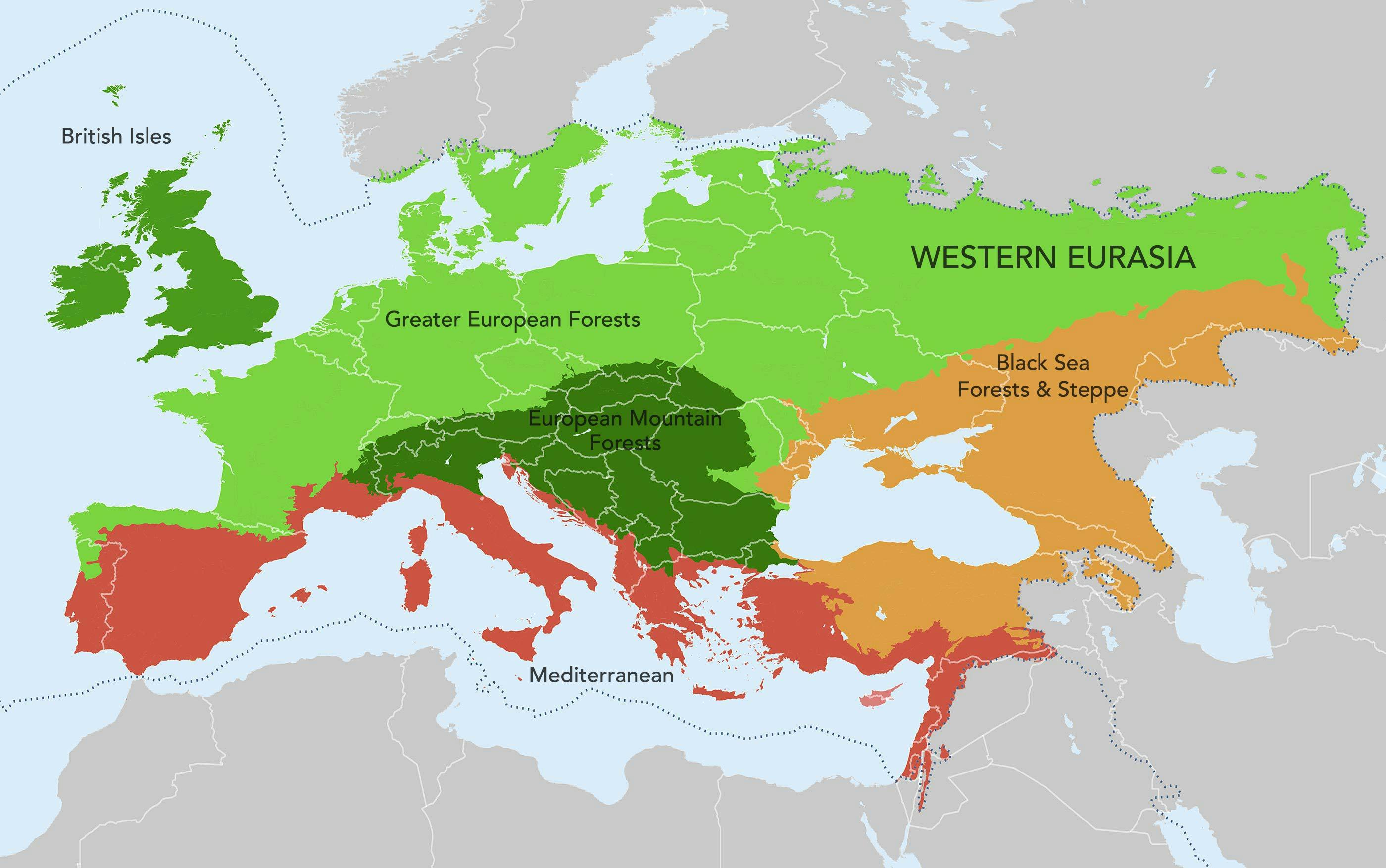
The team found evidence of selection in 479 gene variants. About 60% of these variants correspond to traits that are well-known in modern populations. This high correlation suggests that the genetic pressures of the last 10,000 years directly created the biological profiles seen in West Eurasians today.
Why light skin and red hair increased in frequency
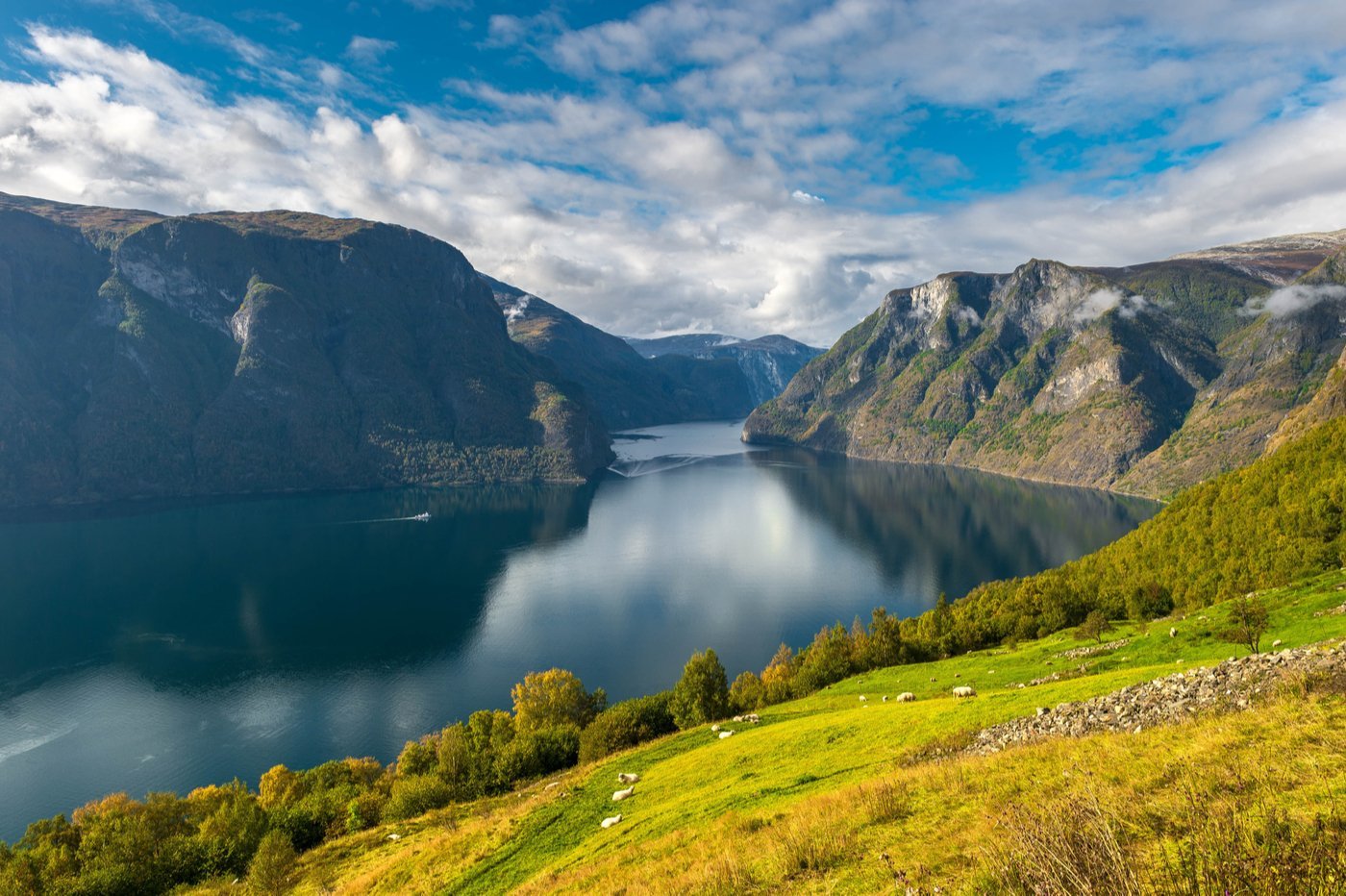
Selection for light skin pigmentation likely responded to environmental pressures. The researchers noted that lighter skin allows for increased synthesis of vitamin D in northern regions where sunlight is scarce, providing a clear survival advantage.
Red hair presents a more complex puzzle. While the frequency of red hair increased, the DNA doesn’t explicitly explain why. It’s possible that red hair isn’t the beneficial trait itself, but instead serves as a marker for other, more critical adaptations that were being selected for simultaneously.
Disease resistance and autoimmune risks shifted over 18,000 years
Genetic shifts also provided protections against specific pathogens. The dataset shows a strong positive selection for variants that offer resistance to leprosy, also known as Hansen’s disease, and HIV. The B blood type also saw an increase in frequency through this process.
Some traits moved in the opposite direction. Natural selection decreased the frequency of genes associated with male-pattern baldness and a susceptibility to rheumatoid arthritis. This suggests that these traits were disadvantageous to survival or reproduction in the West Eurasian environment.
How this data challenges the theory of slowed evolution
This discovery contradicts the long-standing belief that human evolution reached a plateau in recent millennia. Akbari told Live Science that evolution didn’t slow down, but rather the scientific community was missing the signal because they lacked the necessary data and tools.
Evolutionary change happens through several mechanisms. Mutation creates new variants, gene flow mixes genetic material between populations, and genetic drift causes random changes in gene frequency. By isolating natural selection from these other factors, the Harvard team proved that adaptive evolution remained a pervasive force.
The study demonstrates that humans continue to adapt rapidly to their environments, pathogens, and diets. The genetic profile of modern West Eurasians isn’t a static relic but the result of a continuous, active process of refinement.
Why is the increase in red hair harder to explain than light skin?
Light skin has a clear biological utility in low-sunlight regions by helping the body synthesize vitamin D. Red hair doesn’t have an equally obvious survival advantage, leading researchers to suspect the trait is linked to other, more important genetic adaptations.
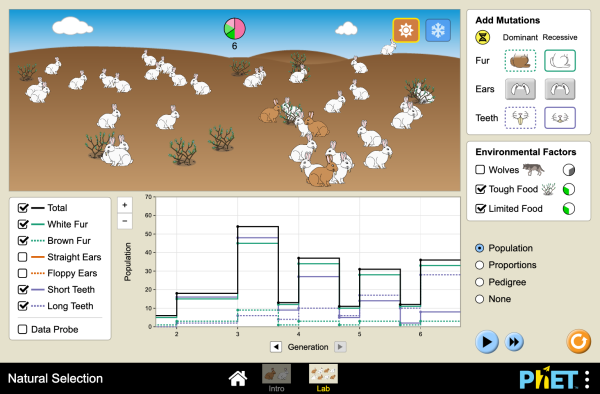
What is the difference between natural selection and genetic drift?
Natural selection occurs when traits that help an organism survive and reproduce are passed to offspring, increasing the trait’s frequency. Genetic drift is a change in gene frequency that happens due to random chance rather than a survival advantage.
