
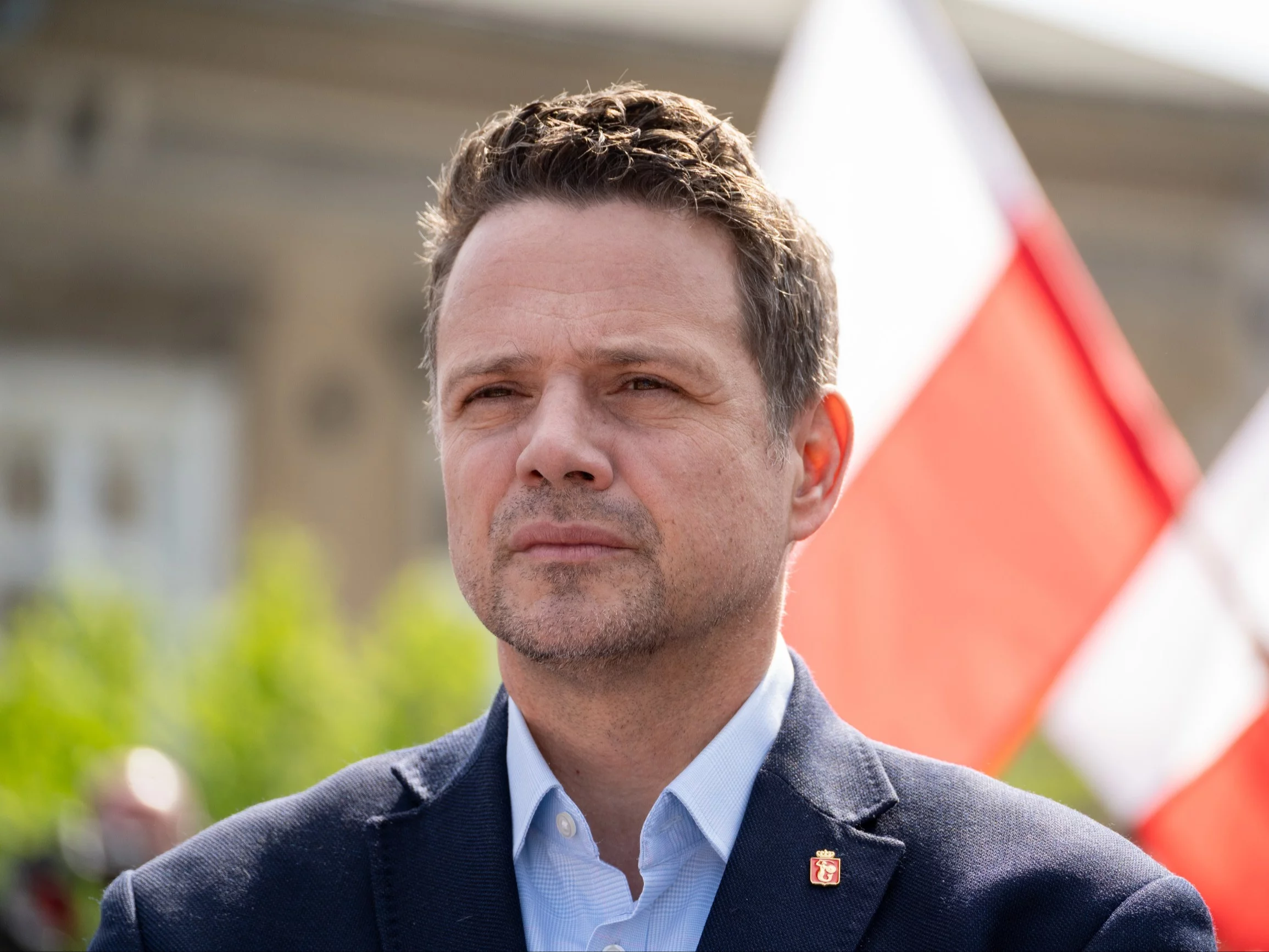
Warsaw Mayor Rafał Trzaskowski has dismissed media allegations that the Warsaw Zoo is importing hay from Germany. While reports suggested a shipment was en route from near Cologne, zoo officials clarified that while hay is sourced from Polish farmers, specialized alfalfa for exotic animals is imported from Southern Europe via a German distributor.
The Allegations of a “Scandal of the Decade”
Distinguishing Hay from Alfalfa
The Warsaw Zoo quickly moved to correct the narrative, making a sharp distinction between the zoo’s basic dietary supplies and the specialized needs of its exotic residents. According to Wprost, the facility confirmed it has contracted 90 tons of hay from a Polish farmer this year to serve as a primary dietary component for herbivorous animals. The confusion appears to stem from the zoo’s procurement of alfalfa, a specific type of dried forage required by animals such as giraffes and bongo antelopes. The zoo explained that when local weather conditions prevent Polish farmers from producing alfalfa of the necessary quality or quantity, the facility must import high-quality dried alfalfa from Southern Europe. To manage the logistics of these imports, the zoo utilizes a German distributor to facilitate transport. The zoo noted that such international transport is a significant expense, leading various zoos to arrange joint shipments to share costs.Trzaskowski’s Sarcastic Rebuttal
Rafał Trzaskowski did not mince words when responding to the accusations, using his social media presence to mock the gravity of the media’s “investigation.”“One of the right-wing editorial offices, as part of a very serious investigation, sniffed out a topic that—trusting the tone of the publication and the content of the ‘horror strips’—could be the scandal of the decade.”
“I would be delighted if giraffes and bongo could enjoy some local sour rye soup. Unfortunately, they prefer alfalfa, the best quality of which is provided by countries from Southern Europe. And that is also where the product purchased by our zoo, which one of the right-wing editorial offices is so excited about, comes from.”
Rafał Trzaskowski, via Fakt In a final jab at the journalists who raised the issue, Trzaskowski offered an ironic perspective on the supposed loss of German resources.“Even if the hay were actually from Germany, shouldn’t we all be happy that Germany has less and less hay?”
The Economic Patriotism Debate
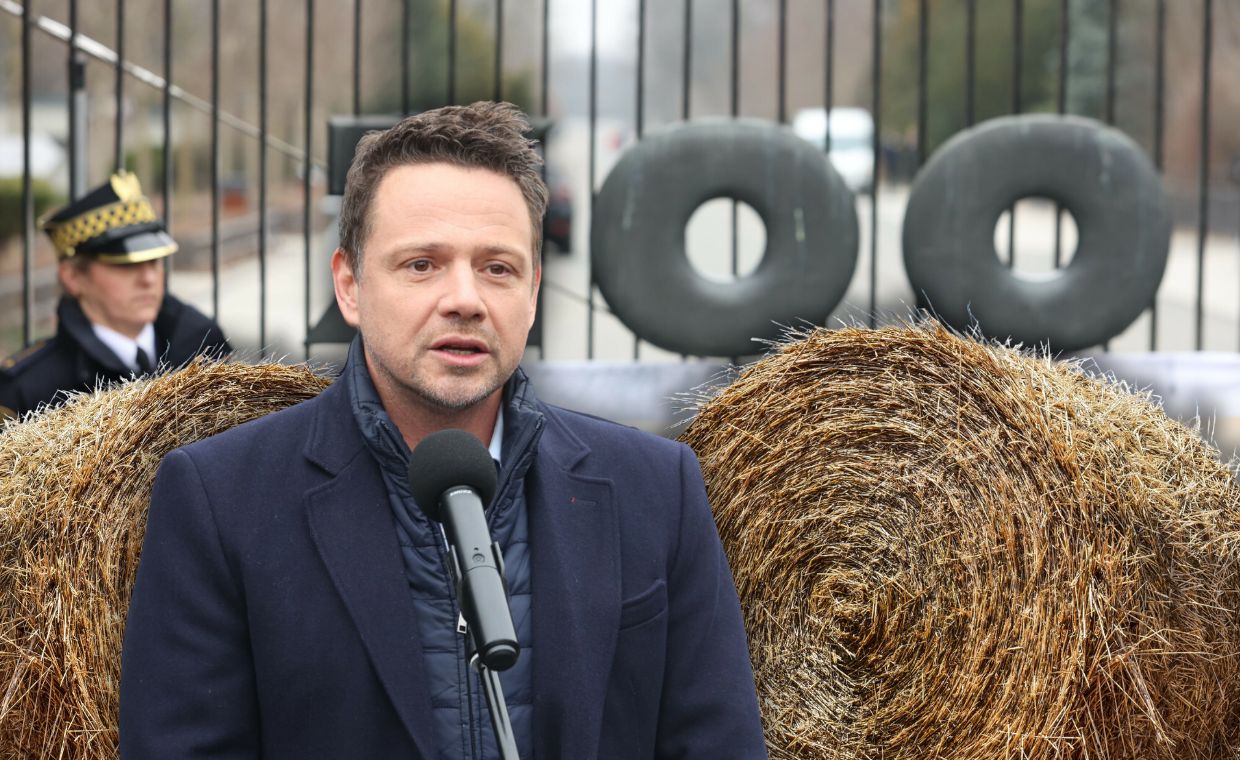
- Poland maintains approximately 8–9 million hectares of meadows and pastures.
- Annual hay production averages between 8–10 million tons.
- As of 2023, there are approximately 1.2 million agricultural holdings in Poland.
