US and Iranian diplomatic efforts are fracturing following a June 14, 2026, memorandum of understanding, as Israeli military strikes in Lebanon intensify. While Donald Trump has promised no transit fees in the Strait of Hormuz during a 60-day ceasefire, Hezbollah reports over 300 Israeli attacks since Friday, claiming widespread violations of sovereign territory.
Lebanon’s Sovereignty as a Bargaining Chip
The memorandum of understanding between the United States and Iran has turned Lebanese sovereignty into a primary point of contention. The Times reported via Hürriyet that Tehran successfully pushed for a specific clause in the text requiring respect for the sovereignty and territorial integrity of Lebanon.
Iran has since expanded these demands, conditioning the finality of the agreement on a total Israeli withdrawal from Lebanon. This demand creates a direct collision with Israeli policy. Prime Minister Binyamin Netanyahu has stated that the Israeli military will not withdraw from the secure zone it established within Lebanese territory.
Hezbollah’s Reports of Ceasefire Violations
Photo: CNN Türk
On the ground, the diplomatic framework is failing to stop active combat. CNN Türk documented a series of reports from Hezbollah’s media office detailing 180 Israeli attacks in a single morning, resulting in 28 deaths—including three Lebanese soldiers—and 35 injuries.
The scale of the escalation since Friday is significant. Hezbollah reports that Israeli warplanes, drones, and artillery have carried out more than 300 attacks, targeting over 25 villages and towns, including Nabatieh. The group claims these strikes have killed more than 111 Lebanese citizens and wounded 176, alleging the use of cluster bombs, which are prohibited by international agreements.
“It is clear that this treacherous and lying enemy has never complied with the memorandum of understanding announced on November 27, 2024, April 8, 2026, and June 14, 2026, between Iran and the USA, nor with the ceasefire agreements made yesterday (between Hezbollah and Israel); on the contrary, it has continued to violate Lebanon’s sovereignty through attacks, destroying homes and killing people.”
Hezbollah Media Office, via CNN Türk
Hezbollah asserts that Israel uses accusations against the group to justify massacres of civilians and to sabotage the US-Iran agreement.
“The attacks and massacres carried out by Israel show that far from a ceasefire violation, the war is continuing in full. The responsible party is Israel, which has repeatedly and publicly declared its refusal to comply with existing agreements and to withdraw from the occupied Lebanese territories.”
Hezbollah Media Office, via CNN Türk
The Strait of Hormuz and Nuclear Deadlines
US-Iran peace talks delayed as Israeli strikes in Lebanon strain peace deal
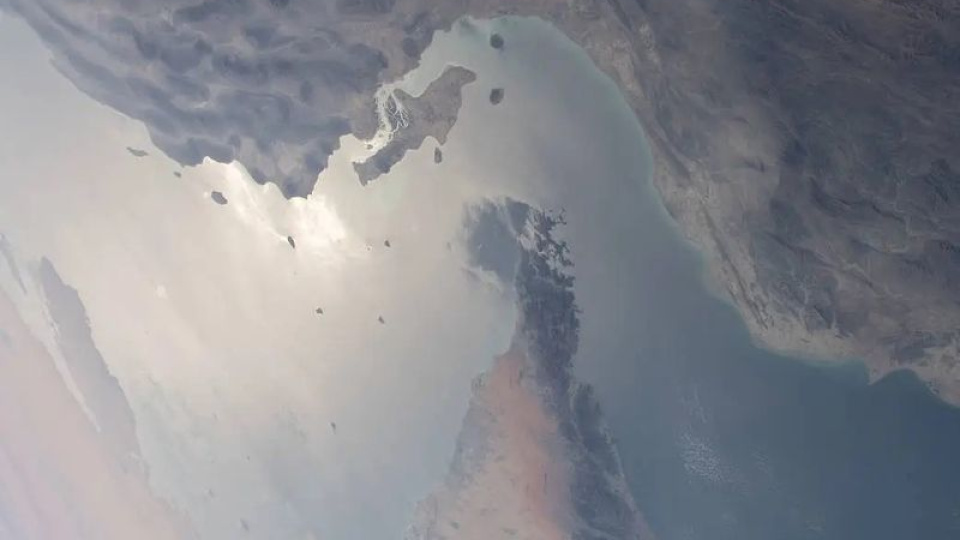
While military tensions rise in Lebanon, the US is attempting to stabilize global trade and nuclear proliferation risks. BloombergHT reported that Donald Trump has guaranteed there will be no transit fees in the Strait of Hormuz for the duration of the 60-day ceasefire.
This move targets the strategic risk of the Strait, where any disruption directly threatens global energy and trade flows. However, the broader diplomatic success depends on a ticking clock regarding Iran’s nuclear capabilities.
The current memorandum lacks detailed regulations on uranium enrichment. Experts indicate that the future of Iran’s enriched uranium stocks and the specifics of its enrichment activities must be settled within the remaining 60-day negotiation window.
Even if Tehran and Washington reach a consensus on nuclear and territorial issues, the agreement faces a structural obstacle in the US Capitol. The removal of sanctions—a primary Iranian demand—requires the approval of the US Congress.
The political balance in Washington remains a critical variable. The necessity of congressional consent means that the executive branch cannot unilaterally guarantee the full lifting of sanctions, adding a layer of uncertainty to the 60-day window.
The current impasse can be summarized by the competing priorities of the three main actors:
Iran: Demands total Israeli withdrawal from Lebanon and the lifting of US sanctions.
Israel: Refuses to vacate the “secure zone” in Lebanon and maintains military operations to neutralize threats.
United States: Seeks to prevent a nuclear escalation and ensure the free flow of trade through the Strait of Hormuz.
The next 60 days will determine if the June 14 memorandum was a genuine path to stability or merely a temporary pause in a larger regional conflict. With Hezbollah claiming that the expulsion of Israeli forces from Lebanese soil is “a matter of time,” the window for a diplomatic solution is narrowing.