
The Interview’s Breaking Point: When Scrutiny Became an Attack
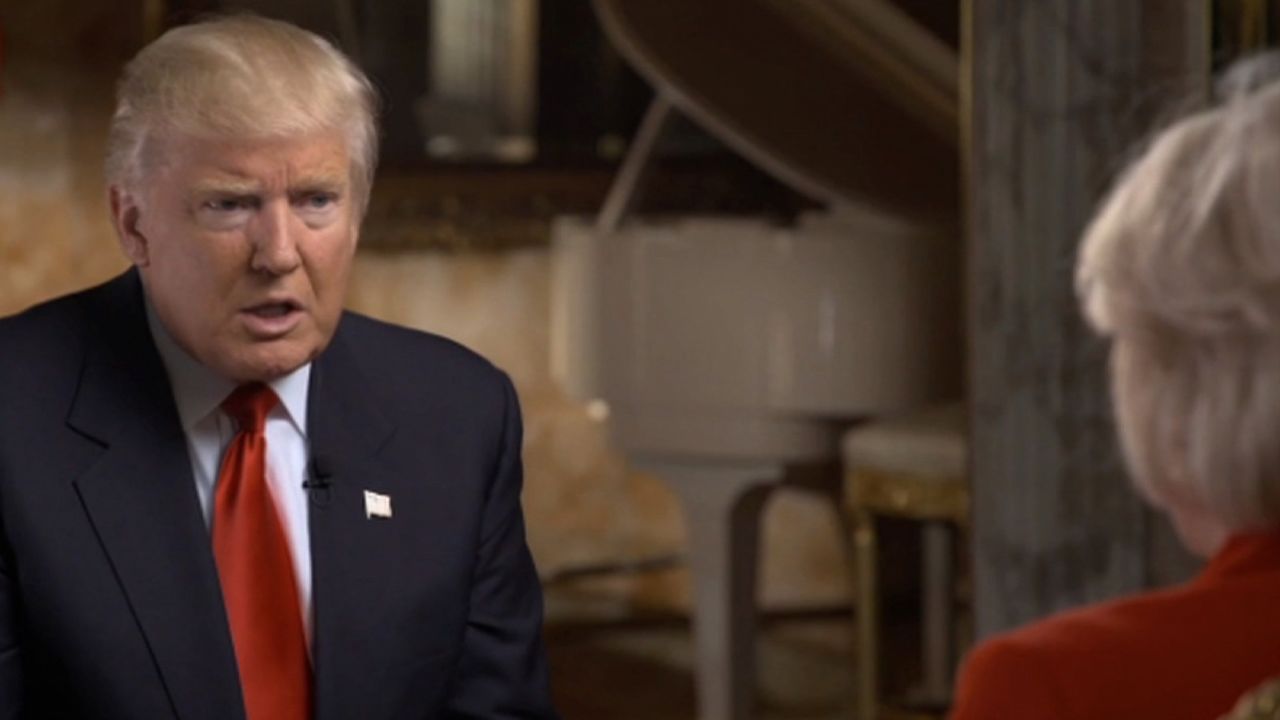
The pivotal moment occurred 12 minutes into the 60 Minutes interview. Norah O’Donnell, seated across from Donald Trump in the White House, read aloud a line from the gunman’s manifesto: no longer willing to permit a pedophile, rapist and traitor to coat my hands with his crimes.
Trump responded directly, stating, You are horrible people, horrible people,
in reference to the media. His remarks redirected the conversation from the shooter’s motives to the perceived role of the press in covering the incident.
O’Donnell’s follow-up was measured, reflecting a journalist’s effort to maintain focus: You shouldn’t be reading that on ’60 Minutes.’ You’re a disgrace. But let’s finish the interview.
The exchange lasted 47 seconds. In that time, Trump shifted the discussion from the manifesto’s contents to an assessment of the media’s conduct. The setting—a national broadcast—amplified the stakes, as millions observed the interaction between a journalist seeking clarity and a public figure deflecting scrutiny.
Media as the Enemy: A Rhetorical Playbook in Real Time
Trump’s response to 60 Minutes reflected a broader pattern in his approach to critical media coverage. Over time, he has frequently treated such outlets as adversaries rather than as part of a system of checks and balances. In this instance, the manifesto’s reference to his past legal troubles—allegations he has consistently denied—became a focal point for challenging the outlet’s credibility.
His refusal to engage with the document’s contents was notable. While the manifesto contained specific grievances tied to his presidency, he offered no substantive response beyond denying the allegations. Instead, he criticized 60 Minutes for raising the subject, suggesting that the media’s role in examining the attack was itself a point of contention. This approach aligned with his long-standing practice of dismissing critical coverage as biased or unfair.
The dynamic extended beyond this single interview. Trump’s history of labeling unfavorable reporting as fake news
has been well-documented, but the 60 Minutes exchange demonstrated how such tactics could escalate in high-profile settings. By framing O’Donnell’s question as an act of malice, he reinforced the perception among his supporters that the press is not merely critical but actively opposed to his leadership.
The Unanswered Questions—and Why They Matter
The gunman’s manifesto had not been widely released at the time of the interview. Trump’s discussion with O’Donnell provided one of the first public references to its contents, yet his refusal to elaborate left key questions unaddressed. What factors contributed to the shooter’s radicalization? How did his grievances intersect with broader political rhetoric? And why did Trump pivot from the document’s existence to criticizing the media?
The lack of clarity surrounding these issues created space for speculation. When public figures decline to engage with difficult questions, it can fuel uncertainty and misinformation. Trump’s insistence that 60 Minutes should not have read the manifesto on air appeared less about journalistic ethics and more about controlling the narrative. By framing the document as off-limits, he positioned himself as a target of media overreach while avoiding direct engagement with the shooter’s claims.
This dynamic carries significant implications. When leaders avoid addressing critical questions, it can undermine trust in institutions, including both the media and the political process. The 60 Minutes interview was not just about one incident; it illustrated how rhetoric can shape the boundaries of public discourse. If scrutiny is consistently met with accusations of bias, the result may be a diminished capacity for transparent dialogue.
The ‘60 Minutes’ Effect: Why This Clash Resonates Beyond the Soundbite
The interview’s aftermath reverberated quickly across social media, with reactions divided along familiar lines. Supporters echoed Trump’s characterization of the media, while critics viewed the exchange as evidence of his reluctance to address uncomfortable topics. The debate extended beyond the manifesto itself to broader questions about the role of journalism in a democratic society.
For 60 Minutes, the stakes were particularly high. The program has long positioned itself as a neutral source of investigative reporting, but Trump’s criticism forced it into a defensive stance. His demand to continue the interview—But let’s finish the interview
—served as a reminder that even under pressure, the outlet would proceed. Meanwhile, the White House Correspondents’ Association dinner, the event where the shooting occurred, was rescheduled shortly afterward, reflecting Trump’s influence in shaping the narrative around such incidents.
The clash also highlighted the challenges media outlets face when covering Trump. Balancing accountability with the risk of being labeled partisan requires careful navigation. O’Donnell’s approach—pressing for answers while avoiding escalation—demonstrated the difficulties of this balancing act. Trump’s refusal to engage with the manifesto’s contents left her with limited options, resulting in a standoff where the public’s need for information collided with the president’s efforts to control the discussion.
What to Watch: Will Other Outlets Follow—or Retreat?
The 60 Minutes interview may have been a single event, but its implications could shape future media interactions. The question now is whether other outlets will adopt a similar approach to O’Donnell’s or pull back in the face of similar pushback. Trump’s pattern of dismissing critical media coverage is well-established, and his ability to reframe scrutiny as hostility has grown more pronounced over time. The manifesto’s contents, while contentious, represented a legitimate subject of inquiry, yet his response shifted focus to the media’s motives.
For journalists, the challenge lies in covering Trump’s presidency without being drawn into the rhetorical battles he often seeks to provoke. The 60 Minutes exchange served as a reminder that even neutral questions can be reframed as attacks. The public’s trust in media—and in the political process—depends on how outlets navigate this terrain. Retreating risks ceding the narrative to those who dismiss scrutiny as bias, while pressing forward risks being labeled as adversarial.
The stakes extend beyond this interview. Trump’s rhetoric has already influenced how his supporters view the press, and his refusal to engage with difficult questions sets a precedent for how future leaders might handle scrutiny. The 60 Minutes moment was not just about one manifesto or one interview; it tested whether the media’s role as a check on power can endure in an environment where transparency is often met with resistance.
