
Taiwan’s president defended the necessity of U.S. arms purchases on Monday, May 18, 2026, describing them as crucial for regional stability. This follows statements from President Donald Trump indicating he is undecided on new weapons sales, despite the U.S. being legally bound to provide Taiwan with defensive capabilities.
The stability of the Taiwan Strait is facing a period of diplomatic tension as Taipei seeks to secure continued military support from a White House expressing uncertainty. Taiwan has intensified its efforts to press its case for U.S. arms supplies, arguing that such transfers are not merely bilateral transactions but a shared deterrent to regional threats
.
Trump’s Uncertainty and the Stability Argument
President Donald Trump has recently signaled that he remains undecided on the approval of new arms sales to Taiwan. This hesitation has prompted an immediate response from Taipei, where leadership has emphasized that these purchases are crucial for regional stability
. The friction arises at a time when Taiwan views U.S. military commitment as the primary check against regional aggression.
Taiwanese officials have framed these weapons acquisitions as a cornerstone of regional peace
, suggesting that any pause or reduction in the flow of defensive technology could shift the strategic balance. The push for support is not presented as a request for favor, but as a necessity for maintaining a status quo that prevents conflict.
The $11 Billion Benchmark and Pending Deals
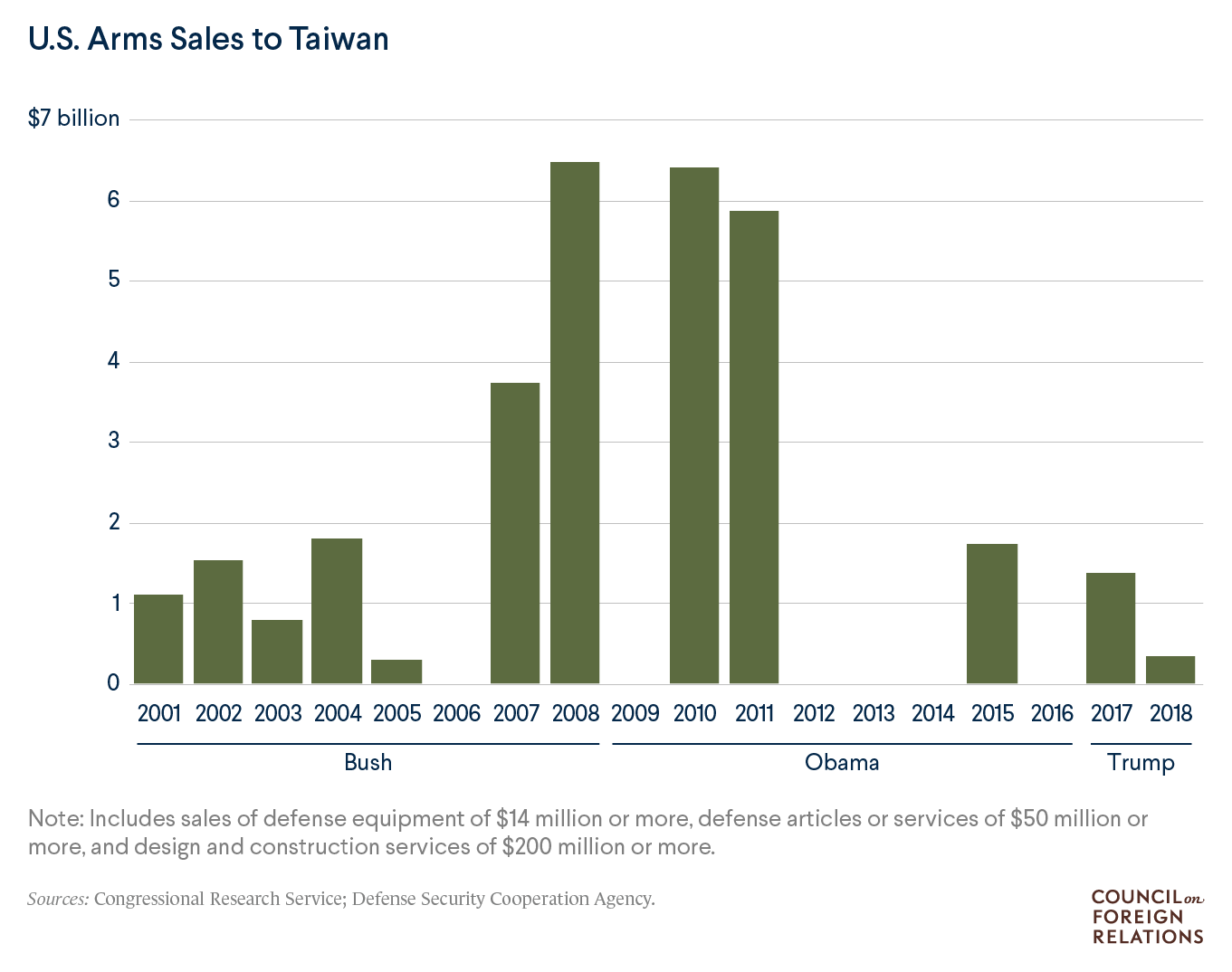
The current uncertainty contrasts with the scale of previous commitments. In December, the Trump administration approved a record $11 billion arms sale package for Taiwan. This package established a high watermark for military cooperation and set an expectation for continued high-level procurement.
Beyond the December agreement, Reuters has reported a second arms sale package, though the specific valuation of this subsequent deal has not been finalized in official public disclosures. The existence of this second reported package adds pressure to the administration to maintain consistency in its security guarantees, as Taipei views these sequential deals as a signal of long-term U.S. reliability.
Bipartisan Pressure in Washington
The executive branch’s hesitation has not been mirrored in the U.S. Congress. Both Republican and Democratic lawmakers have urged the Trump administration to proceed with weapons sales to Taiwan. This bipartisan alignment indicates that while the president may be undecided, the legislative branch views the arms relationship as a non-negotiable element of U.S. foreign policy.
Lawmakers from both parties have emphasized that the continuity of these sales is essential for credibility. By urging the administration to move forward, Congress is reinforcing the view that arms transfers are a strategic imperative rather than a discretionary tool of diplomacy.
Legal Obligations and Strategic Deterrence
Central to Taiwan’s argument is the fact that the United States is bound by law to provide Taiwan with arms. This legal obligation provides a framework that Taipei is now leaning on to counter the president’s stated uncertainty. The legal mandate ensures that the provision of defensive weapons is a statutory requirement, limiting the degree to which executive indecision can permanently halt the flow of equipment.
Taipei’s strategy relies on the intersection of this legal requirement and the concept of deterrence. By framing the arms deals as a shared deterrent
, Taiwan is positioning its own security as an extension of U.S. national security. The argument posits that a well-armed Taiwan reduces the likelihood of a conflict that would inevitably draw the United States into a larger regional war.
As of May 18, 2026, the situation remains a standoff between the president’s discretionary approach to foreign sales and the rigid legal and bipartisan structures that govern U.S.-Taiwan relations. The outcome of these negotiations will determine whether the record-breaking pace of arms transfers seen in late 2025 continues or if a new, more uncertain era of security cooperation begins.
